Heritage Analysis: The American Corset
Introduction: An Artifact of Contradiction and Control
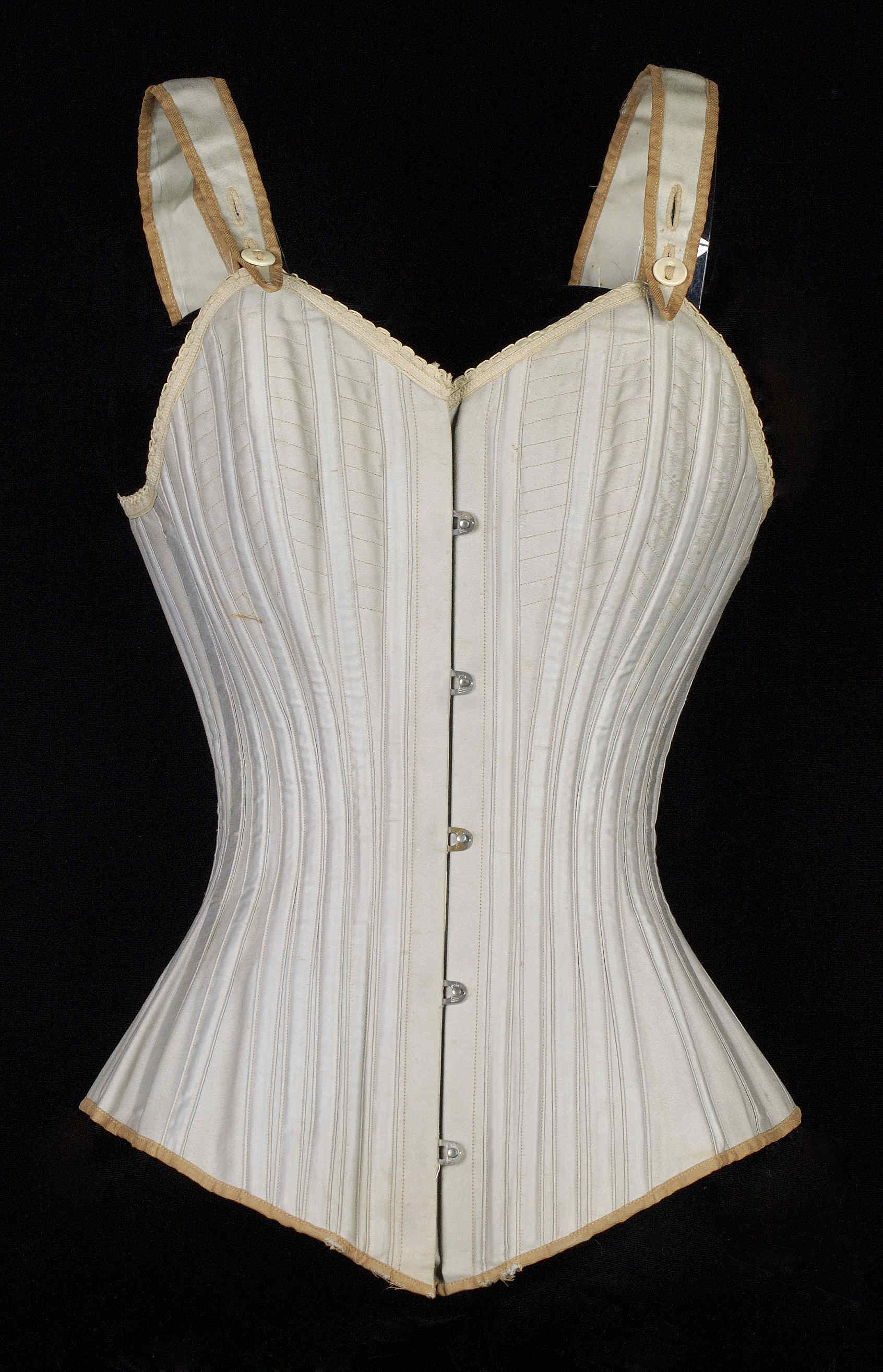
The American corset, crafted from cotton and bone, stands as one of the most potent and paradoxical artifacts in the history of Western adornment. For Katherine Fashion Lab, this object is not merely a garment of historical interest but a strategic cornerstone for a 2026 high-end luxury narrative. To understand its potential, we must first deconstruct its layered heritage: a symbol of both oppressive constraint and liberating structure, a canvas for spiritual discipline, and a tool of profound symbolic power. This analysis positions the corset not as a relic of a misogynistic past, but as a complex emblem of human agency, aesthetic will, and the perennial tension between the natural and the constructed self.
Symbolic Power: The Architecture of Status and Self-Definition
The symbolic power of the American corset is rooted in its ability to physically reshape the body to conform to an ideal. In the 19th and early 20th centuries, the corset was a primary signifier of social standing. The rigid, hourglass silhouette it produced was not a natural form; it was a deliberate, architectural statement. For women of the upper and middle classes, the corset signaled leisure, as it physically restricted the range of motion associated with manual labor. This was a visual declaration of a life free from toil, a luxury of inactivity. The cotton base, while breathable, was often layered and reinforced with bone—whalebone or steel—creating a cage that was both a prison and a pedestal.
Yet, the symbolic power is not monolithic. Within the context of American culture, the corset also represented a form of self-mastery. It was a tool of discipline, a daily ritual of achieving a desired form. This dualism—control versus empowerment—is precisely where Katherine Fashion Lab can locate a potent 2026 strategy. The modern luxury consumer seeks objects that embody contradiction: heritage that is both revered and reimagined. The corset’s symbolic power today can be reclaimed as an emblem of intentional structure—a deliberate, architectural choice to define one’s own silhouette, rather than being defined by it.
Historical Adornment: From Functional Necessity to Fashion Statement
Historically, the American corset evolved from a purely functional undergarment into a visible fashion statement. Early American corsets were utilitarian, designed to support the bust and create a smooth line for outer garments. However, by the mid-1800s, the corset became the central architectural element of women’s fashion. The cotton used in American corsets was often domestically produced, reflecting a nation building its own textile identity, distinct from European silks and brocades. The bone provided the rigid structure necessary to achieve the dramatic S-curve or the straight-front silhouette, depending on the decade.
This historical trajectory is crucial for a luxury brand. Adornment, in this context, was not mere decoration; it was a form of structural engineering. The corset was the most intimate, yet most public, piece of clothing a woman owned. It was a secret armor worn beneath the visible layers, a hidden hand that dictated posture, movement, and presence. For the 2026 luxury strategy, this speaks directly to the concept of intimate luxury—the idea that the most valuable piece in a wardrobe is not the one seen by all, but the one that shapes the wearer from within. Katherine Fashion Lab can position the corset as the ultimate expression of this philosophy: an heirloom piece that is both foundation and statement, seen and unseen.
Spiritual Meaning: Discipline, Transformation, and the Sacred Silhouette
The spiritual dimension of the corset is often overlooked in commercial analyses, yet it is vital for a high-end heritage narrative. In American culture, particularly within the context of 19th-century revivalism and the cult of domesticity, the corset was imbued with moral and spiritual significance. The act of lacing the corset each morning was a ritual of discipline, a physical manifestation of self-control and virtue. The pain and restriction were often interpreted as a form of penance or sacrifice, a way to purify the body and elevate the spirit. This is a profound, albeit troubling, form of embodied spirituality.
However, a more empowering spiritual reading exists. The corset can be seen as a tool for transformation—a rite of passage from one state of being to another. The act of lacing was a daily rebirth, a conscious shaping of the self. For Katherine Fashion Lab, this offers a powerful narrative for 2026: the corset as a sacred object of personal metamorphosis. The luxury client is not buying a piece of fabric and bone; they are acquiring a ritual tool for self-definition. The spiritual meaning is not about suffering, but about intentional creation. The corset becomes a modern-day talisman, a physical reminder that the self is not a given, but a work of art to be sculpted with intention and reverence.
2026 High-End Luxury Strategy: The Corset as Heritage Architecture
To translate this heritage into a 2026 luxury strategy, Katherine Fashion Lab must reject nostalgia and embrace radical reinterpretation. The market is saturated with “modern corsets” that are merely decorative tops. The strategic opportunity lies in restoring the corset’s structural and symbolic integrity.
1. Material as Narrative: The choice of cotton and bone is not a limitation but a strategic differentiator. In an era of synthetic stretch and disposable fashion, cotton and bone represent permanence, craft, and natural origins. Cotton can be sourced as heritage, organic, or heirloom varieties, positioning it as a luxury fiber with a story. Bone—ethically sourced, perhaps from American bison or cattle—offers a tactile, organic rigidity that plastic or steel cannot replicate. This material pairing becomes a signature of the brand’s commitment to authentic, sustainable luxury.
2. The Corset as Architecture, Not Garment: Position the corset as a wearable architectural object. The marketing language should reference structure, engineering, and silhouette as a form of personal architecture. The corset is not a “shapewear” product; it is a foundation for presence. This aligns with the 2026 luxury trend toward hyper-personalization and craftsmanship. Each corset should be made-to-measure, with the client’s measurements treated as a blueprint for a unique, sculptural piece.
3. Ritual and Experience: The purchase of a Katherine Fashion Lab corset should be an experience, not a transaction. Offer a “lacing ceremony” with a trained corsetière, where the client learns the history, the symbolism, and the proper technique. This transforms the garment into a ritual object, deepening its spiritual and emotional value. The brand can host private heritage salons where clients explore the duality of constraint and liberation, positioning the corset as a tool for modern self-empowerment.
4. The 2026 Collection: “The Architecture of Self” Launch a capsule collection titled “The Architecture of Self.” Each piece is named after a historical American archetype (e.g., “The Pioneer,” “The Suffragist,” “The Flapper”), reinterpreting their symbolic power. The marketing campaign should feature diverse women—artists, architects, entrepreneurs—who embody the tension between structure and freedom. The narrative is not about returning to the past, but about reclaiming the tools of self-definition.
Conclusion: A Heritage of Intentional Form
The American corset, in its rawest form of cotton and bone, is a profound heritage artifact that speaks to the core of human desire: the need to shape, to define, and to transcend. For Katherine Fashion Lab, it offers a strategic pathway to 2026 luxury that is intellectually rigorous, emotionally resonant, and materially authentic. By honoring its symbolic power, historical depth, and spiritual dimensions, the brand can transform a controversial garment into a timeless emblem of intentional living. The corset is not a cage; it is a frame—and the wearer is the artist.