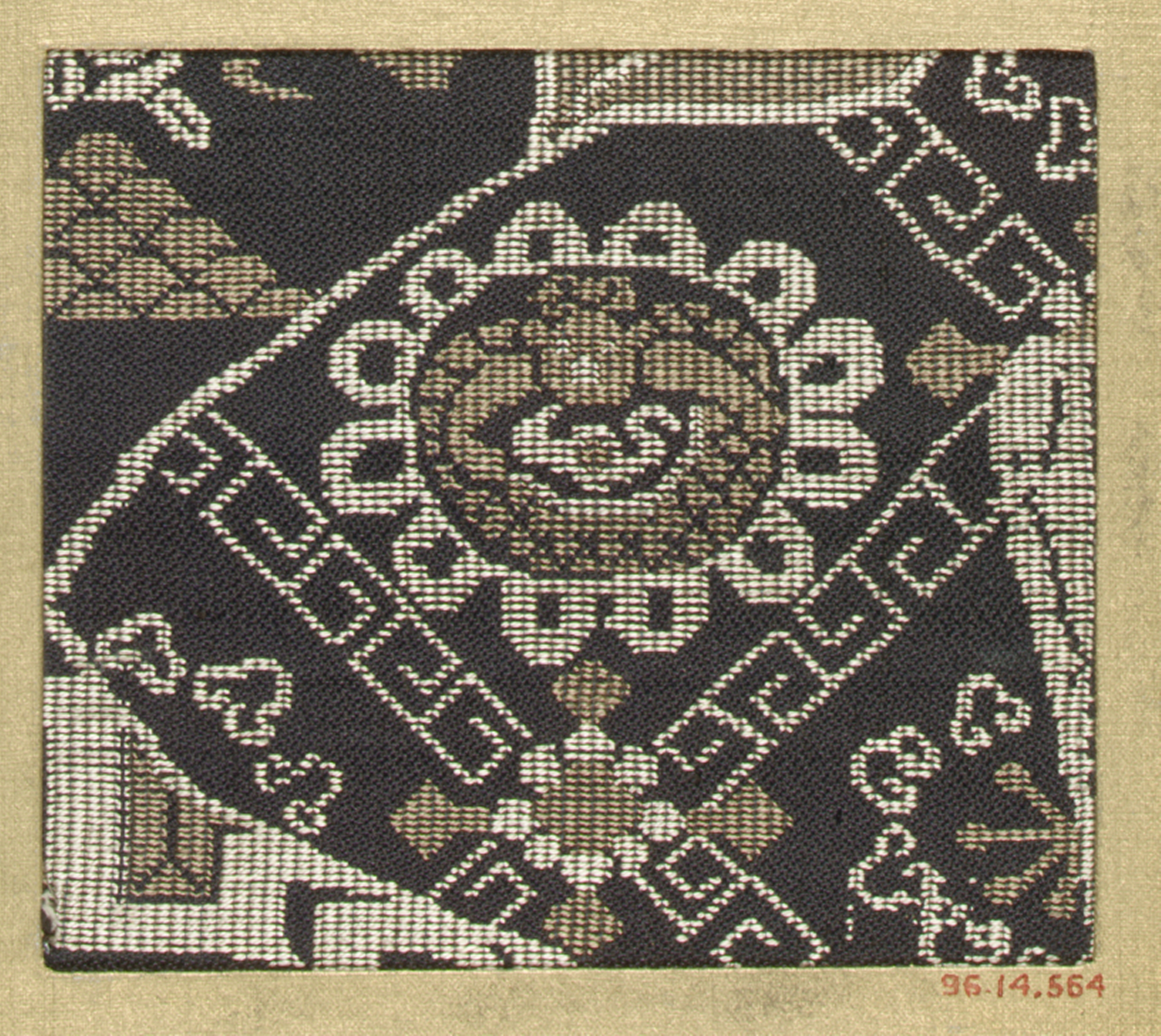
Deconstructing the Standalone: A Couture Analysis of a Japanese Silk Piece
Within the curated silence of the Katherine Fashion Lab, a standalone piece demands a unique analytical framework. Divorced from the narrative of a full collection, the garment must articulate its entire philosophy through its own structural and material language. This analysis focuses on a singular artifact of Japanese origin, crafted from silk, presented not as a seasonal statement but as an autonomous study in form, technique, and cultural resonance. The piece becomes a manifesto, a concentrated exploration of principles that transcend trend, inviting us to examine the dialogue between traditional wisdom and contemporary couture expression.
Material as Medium: The Philosophy of Silk
The foundation of this study is its material: silk. In the context of Japanese craftsmanship, silk is never merely a fabric; it is a medium loaded with historical, aesthetic, and symbolic significance. This piece leverages the inherent properties of habutai, chirimen (crepe), or perhaps a specially woven jacquard, not for mere luxury, but as the primary vocabulary of its design. The analysis must begin with the hand of the cloth—its weight, its sound, its interaction with light. Japanese silk, particularly that used in high-level kimono construction, is revered for its ability to hold structure while flowing softly, a paradox that this standalone piece exploits.
The treatment of the silk reveals the core intention. Is it left raw-edged, celebrating the integrity of the selvage? Is it meticulously folded and pleated, referencing origami and the art of precise compaction? Or is it dyed using shibori or yuzen techniques, where the pattern is not printed on but born from within the material's very fibers? In a standalone study, each choice is magnified. The silk's luster is calibrated—not to dazzle, but to create a subtle, changing luminescence that alters with movement and perspective, embodying the Japanese aesthetic concept of kōyō (the changing of leaves, a celebration of transience). The material, therefore, is the first and most profound statement of the piece's intent: a meditation on natural beauty, transformation, and integrity.
Structural Syntax: The Architecture of the Standalone
Without the context of companion pieces, the garment's architecture must be entirely self-sufficient and self-explanatory. The silhouette likely engages in a sophisticated conversation with traditional Japanese clothing geometry, deconstructing it through a contemporary couture lens. We might observe the reinterpretation of the kimono's T-shaped, straight-line construction. Perhaps the sleeves extend into dramatic, fluid planes that challenge the body's outline, or the body of the garment utilizes a single, continuous piece of silk, folded and seamed with minimal intervention, honoring the mottainai (a sense of regret concerning waste) principle.
The structural analysis focuses on the points of tension and release. How are the shoulders resolved? Is the neckline a precise ryōkōri (collar) abstraction? The fastenings—or notable absence thereof—are critical. They may involve elaborate kumihimo (braided cord) closures or hidden magnetic systems, each speaking to a fusion of ancient craft and modern technology. The hemline and volume are not dictated by trend but by the internal logic of the piece's movement. It may employ techniques from furoshiki (wrapping cloth) to create dynamic, transformable forms. This standalone status allows the piece to exist as pure sculpture, where the interior space between body and cloth is as deliberately considered as the exterior form, reflecting the Zen concept of ma (negative or interstitial space).
Contextual Autonomy: The Piece as a Complete Discourse
The "standalone study" context is not a limitation but a liberation. It frames the piece as a research outcome, a proposition in material and cultural fashion theory. Its purpose is not to be commercially replicated or accessorized but to provoke thought and set a new benchmark for integrity in construction. In this rarefied environment, every stitch is a declarative sentence. The hand-stitching, likely employing sashiko (functional decorative stitching) techniques recontextualized for couture, becomes a topographic map of the artisan's labor and focus.
This autonomy also deepens the cultural dialogue. The piece does not borrow superficial "Japanese-inspired" motifs. Instead, it engages with underlying philosophies: wabi-sabi (the beauty of imperfection and aging) might be expressed in an intentional asymmetry or a reverence for the silk's natural irregularities. Kanso (simplicity) is reflected in a restrained palette, where the focus is on the myriad shades within a single color, achieved through complex dyeing processes. The piece stands as an ambassador of a specific, deep-rooted aesthetic system, translated through the universal language of advanced silhouette and textile manipulation.
Conclusion: The Laboratory's Verdict
This Japanese silk piece, as a standalone study, ultimately achieves a rare synthesis. It demonstrates that couture, at its most experimental and elevated, can be a form of cultural scholarship. It proves that material fidelity—allowing the silk to "speak" and guide the construction—can lead to groundbreaking form. It validates the laboratory's mission: to isolate and examine the very DNA of fashion, where a single garment can contain multitudes—history, philosophy, craftsmanship, and avant-garde vision.
The piece’s legacy within the Katherine Fashion Lab archive will be that of a benchmark. It serves as a masterclass in how to treat heritage not as a source of ornament, but as a rigorous methodological framework for innovation. It challenges future designers to consider each creation as a potential standalone study—a complete, self-contained world of meaning where every element, from the choice of silk thread to the philosophy of the seam, is inextricably linked and purposefully deployed. In its silent, potent autonomy, it speaks volumes.