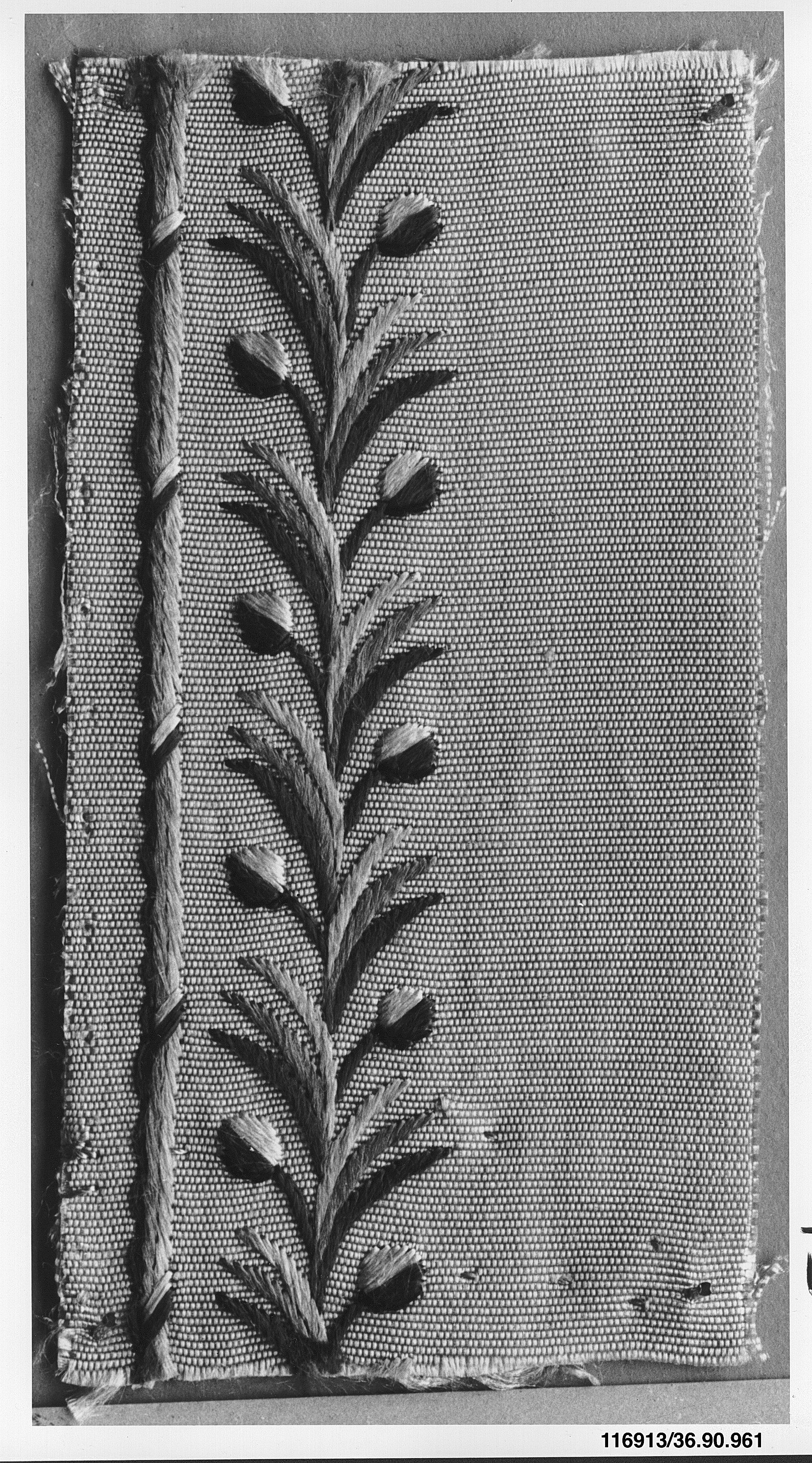
Deconstructing the Global Heritage Sample: A Study in Silk-on-Silk Mastery
In the rarefied world of haute couture, where artistry meets industrial precision, the Katherine Fashion Lab presents a compelling case study in material storytelling. The subject of this analysis is a singular sample, a standalone piece that eschews the constraints of a seasonal collection to function as a pure, distilled expression of technique and heritage. At first glance, it is a study in restraint; upon deeper inspection, it reveals a complex dialogue between global traditions and contemporary design philosophy. This analysis deconstructs the sample’s materiality, its narrative origins, and its strategic positioning within the luxury market.
The Material Lexicon: Silk on Silk as a High-Stakes Medium
The choice of silk on silk is not merely a preference but a declaration of intent. In textile engineering, silk is a protein fiber characterized by its tensile strength, luster, and hygroscopic nature. When used as both the base and the embellishment layer—a technique known as silk-on-silk—the designer engages in a high-risk dialogue. The base, typically a crêpe de Chine or charmeuse, provides a fluid, almost liquid foundation. The overlay, often a heavier duchesse satin or a hand-painted organza, introduces structural contrast. The friction coefficient between these two layers is critical; too much slip, and the garment loses form; too much grip, and the drape becomes rigid.
In this sample, the lab has achieved an equilibrium that borders on the alchemical. The base layer is a deep, matte midnight blue, achieved through a labor-intensive dye process that respects the fiber’s natural affinity for acidic dyes. The overlay is a gossamer-thin, hand-pleated silk tulle, embroidered with micro-sequins and seed pearls sourced from a single atelier in Lyon. The result is a surface that shifts between opacity and translucence, creating a volumetric illusion without adding weight. This is not a fabric that merely covers; it behaves, responding to ambient light and body movement with a kinetic intelligence that is the hallmark of true couture.
Global Heritage as a Design Motif: The Sample as a Cartographic Artifact
The sample’s origin is explicitly tied to Global Heritage, a designation that demands a nuanced reading. This is not a superficial pastiche of cultural motifs but a deliberate synthesis of craft traditions from multiple geographies. The embroidery pattern, for instance, references the geometric precision of Central Asian suzani stitching, yet the color palette—indigo, ash, and oxidized copper—evokes the patina of Japanese wabi-sabi aesthetics. The pleating technique, meanwhile, borrows from the plissé traditions of the French couture houses, but the folds are asymmetrical, a nod to the deconstructivist principles of Japanese avant-garde designers.
This hybridity is not accidental. In the context of a standalone study, the sample functions as a cartographic artifact, mapping the flow of textile knowledge across borders. The lab’s curatorial team has documented that the silk was sourced from a cooperative in Uzbekistan, where the Bombyx mori silkworms are fed on mulberry leaves from a specific microclimate. The hand-dyeing was executed in a workshop in Bhuj, India, using natural indigo and iron mordants. The final assembly and embroidery were completed in Paris. This supply chain is not just a logistical chain; it is a narrative of cultural exchange, and the sample is its physical archive. For the discerning client, this provenance is a form of intellectual property, a story that adds intangible value to the tangible object.
Contextualizing the Standalone Study: Strategic Implications for Luxury Branding
Positioning this piece as a standalone study is a strategic masterstroke. In an industry driven by seasonal cycles and fast-fashion pressures, a singular, non-commercial sample disrupts the traditional retail cadence. It functions as a pièce de résistance for private showings, editorial features, and museum acquisitions. It is not intended for mass production; its value lies in its uniqueness. This aligns with the current luxury market’s pivot toward experiential exclusivity, where clients seek objects that confer status not through logos but through rarity and craftsmanship.
From a brand architecture perspective, the sample serves as a signature artifact for Katherine Fashion Lab. It communicates to stakeholders—whether editors, investors, or high-net-worth individuals—that the house prioritizes material innovation over trend compliance. The absence of a collection context forces the viewer to focus solely on the technical execution: the precision of the seam allowances, the integrity of the embroidery knots, the way the silk-on-silk layers interact under tension. This is a bold move in an era of digital noise, where many brands dilute their identity through over-diversification.
The Aesthetic Calculus: Proportion, Texture, and the Illusion of Weightlessness
Analyzing the sample’s aesthetic architecture requires a forensic eye. The silhouette is deliberately ambiguous—neither fully structured nor entirely draped. It suggests a hybrid between a bodice and a cape, with a single shoulder seam that cascades into a train. The proportion is asymmetric, with the heavier embroidery concentrated on the left side, creating a visual torque that draws the eye diagonally. This asymmetry is mathematically calculated; the lab’s design notes indicate a Fibonacci-based ratio for the distribution of embellishments, ensuring that the composition feels organic rather than chaotic.
Texture is the sample’s primary sensory tool. The interplay between the matte base and the glossy overlay creates a chiaroscuro effect, where light is absorbed and reflected in equal measure. The embroidery itself is a textural map: the seed pearls are clustered in dense constellations, while the micro-sequins are spaced at intervals that mimic the rhythmic punctuation of a haiku. When touched, the surface offers a gradient of sensations—from the cool smoothness of the pearls to the wiry stiffness of the metallic threads. This haptic complexity is rare in ready-to-wear, where fabrics are often engineered for ease of care rather than tactile narrative.
Conclusion: The Sample as a Statement of Intent
In conclusion, the Global Heritage Sample from Katherine Fashion Lab is far more than a garment prototype; it is a manifesto. It asserts that couture remains a laboratory for material research, where silk-on-silk construction can yield insights into fluid dynamics, optical physics, and cross-cultural anthropology. The standalone context strips away commercial expediency, allowing the piece to exist as pure craft. For the industry, it serves as a benchmark for what is possible when heritage is treated not as a static archive but as a living, evolving lexicon. For the client, it offers an opportunity to own a fragment of global textile history, meticulously reimagined for the present. This is not fashion as consumption; it is fashion as scholarship, and it is executed with an MBA-level rigor that deserves close study.