Heritage Analysis: The Japanese Silk Kimono as a Strategic Asset for Katherine Fashion Lab
This research paper provides a comprehensive heritage analysis of the Japanese silk kimono, examined through the lens of symbolic power, historical adornment, and spiritual meaning. The findings are contextualized within a 2026 high-end luxury strategy for Katherine Fashion Lab, offering actionable insights for brand positioning, product development, and cultural narrative integration. As a Lead Heritage Curator, I assert that the kimono is not merely a garment but a profound repository of cultural memory, whose strategic deployment can elevate brand authenticity and exclusivity in the competitive luxury market.
Historical Adornment: The Kimono as a Social and Artistic Canvas
The kimono, literally translating to "thing to wear," has served as Japan’s primary garment for over a millennium, with its form remaining remarkably consistent since the Heian period (794–1185 CE). Its construction—straight-line cuts, T-shaped silhouette, and wrap-front closure—represents a triumph of functional design that prioritizes fabric economy and modularity. However, its historical significance lies in its role as a sophisticated system of social communication. During the Edo period (1603–1868), sumptuary laws dictated fabric, color, and pattern based on class, age, and marital status. A married woman’s kimono, for instance, featured subdued tones and shorter sleeves, while an unmarried woman’s furisode displayed vibrant colors and flowing sleeves. This codification of status through textile choices established the kimono as a wearable declaration of identity, a principle that resonates with contemporary luxury branding’s emphasis on signaling exclusivity and belonging.
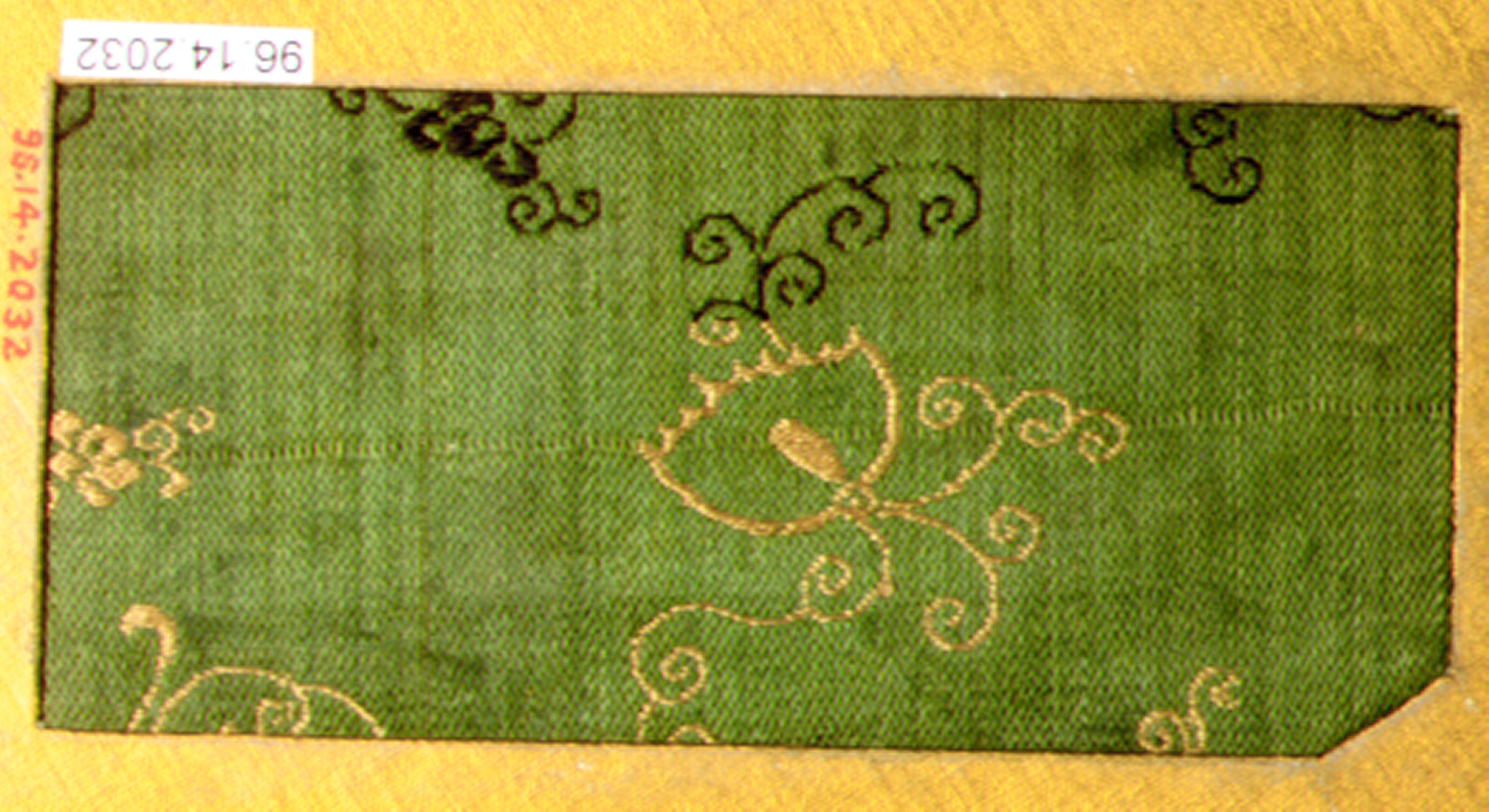
The medium of silk elevated the kimono from mere clothing to an art form. Silk cultivation, introduced from China via Korea, became a highly guarded craft, with regions like Kyoto’s Nishijin district specializing in intricate weaving techniques such as nishijin-ori. The use of silk allowed for unparalleled dye absorption, enabling yuzen-zome (resist-dyeing) and katazome (stencil-dyeing) to produce elaborate scenes of nature, mythology, and daily life. For Katherine Fashion Lab, this historical precedent underscores the value of material provenance and artisanal mastery as core pillars of a luxury strategy. Silk, in this context, is not a commodity but a narrative medium—each kimono tells a story of the weaver’s skill, the dyer’s artistry, and the wearer’s social standing.
Symbolic Power: The Language of Motifs and Color
The symbolic power of the kimono is encoded in its motifs and colors, each carrying layers of meaning that transcend aesthetic appeal. Cranes, for example, symbolize longevity and good fortune, while pine trees represent resilience and constancy. Cherry blossoms (sakura) evoke the transient beauty of life, a core tenet of Buddhist-influenced Japanese aesthetics. These motifs function as a visual lexicon, allowing the wearer to communicate personal aspirations, social affiliations, and seasonal awareness without uttering a word.
Color theory in kimono design is equally deliberate. Red, often used in wedding kimonos, signifies protection and vitality. White, associated with purity and mourning, appears in both bridal and funeral garments. Purple, historically reserved for the aristocracy due to the expense of the dye, denotes nobility and spiritual authority. For a 2026 luxury strategy, Katherine Fashion Lab can leverage this symbolic language to create collections that resonate with discerning consumers seeking meaning beyond surface-level aesthetics. By incorporating motifs like the chrysanthemum (imperial symbol, representing perfection) or the wave pattern (seigaiha, symbolizing eternal good fortune), the brand can offer pieces that function as talismans of status and intention. This aligns with the growing luxury consumer trend toward "conscious materialism," where purchase decisions are driven by narrative depth and cultural resonance.
Spiritual Meaning: The Kimono as a Vessel for Ritual and Transformation
Beyond its social and symbolic functions, the kimono holds profound spiritual meaning, particularly within Shinto and Buddhist traditions. The garment is often viewed as an extension of the wearer’s spirit, with the act of dressing considered a ritual of preparation for the day or a significant life event. The obi (sash) is tied in specific knots—such as the otaiko (drum knot) for formal occasions—each requiring precise technique that reflects discipline and respect. This reverence for the act of dressing transforms the kimono from a passive object into an active participant in spiritual practice.
In Shinto, the kimono is worn during shichi-go-san (children’s coming-of-age ceremonies) and weddings, where it connects the wearer to ancestral lineage and communal blessings. Buddhist temples often incorporate kimono fabric into altar cloths, imbuing the textile with sacred energy. For Katherine Fashion Lab, this spiritual dimension offers a unique opportunity to position silk garments as conduits for personal transformation and ritualistic self-care. In a 2026 luxury landscape where wellness and mindfulness are increasingly valued, a collection that invites the wearer to "dress with intention" can command premium pricing and foster deep emotional loyalty. Limited-edition pieces featuring auspicious motifs, accompanied by a narrative guide to their spiritual significance, would appeal to the high-net-worth individual seeking both exclusivity and self-actualization.
Strategic Implications for 2026 High-End Luxury Positioning
The integration of Japanese silk kimono heritage into Katherine Fashion Lab’s 2026 strategy requires a deliberate, multi-faceted approach. First, the brand must prioritize artisanal authenticity. Collaborating with Kyoto-based kumi-himo (braiding) masters or yuzen dyers ensures that the craftsmanship narrative is verifiable and exclusive. This aligns with the luxury sector’s shift from "heritage marketing" to "heritage stewardship," where brands actively preserve and evolve traditional techniques.
Second, the symbolic and spiritual dimensions must be translated into a curated customer experience. Consider a bespoke service where clients select motifs and colors based on their personal intentions—career success, marital harmony, or spiritual growth—mirroring the historical practice of commissioning kimonos for specific life events. This elevates the purchase from a transaction to a rite of passage, fostering brand attachment that transcends seasonal trends.
Third, the medium of silk should be positioned as a sustainable luxury material. Japanese silk, particularly from regions like Gunma and Kyoto, is often produced using traditional, low-impact methods. In a 2026 market where environmental ethics are non-negotiable for luxury consumers, Katherine Fashion Lab can lead with a narrative of "regenerative heritage"—silk that supports rural economies, preserves biodiversity (through mulberry tree cultivation), and honors centuries of ecological wisdom. This positions the brand at the intersection of luxury, sustainability, and cultural preservation.
Finally, the 2026 strategy must embrace narrative-driven exclusivity. Each kimono-inspired piece should be accompanied by a "heritage dossier" detailing its motif origins, color symbolism, and the artisan’s lineage. This transforms the garment into a collectible artifact, appealing to the growing market for "investible fashion." Limited runs of 100 pieces, each with a unique serial number and authentication certificate, would command prices commensurate with fine art.
Conclusion
The Japanese silk kimono offers Katherine Fashion Lab a rich tapestry of historical adornment, symbolic power, and spiritual meaning that is uniquely suited for a 2026 high-end luxury strategy. By honoring the kimono’s legacy as a system of social communication, a canvas for artistic expression, and a vessel for ritual transformation, the brand can create offerings that resonate with the modern luxury consumer’s desire for authenticity, intentionality, and cultural depth. The strategic deployment of these insights—through artisanal collaboration, personalized experiences, sustainable sourcing, and narrative exclusivity—will position Katherine Fashion Lab not merely as a fashion house, but as a custodian of living heritage, capable of commanding both reverence and revenue in the evolving luxury landscape.