Heritage Analysis: Textile Fragment from an Ancient Civilization
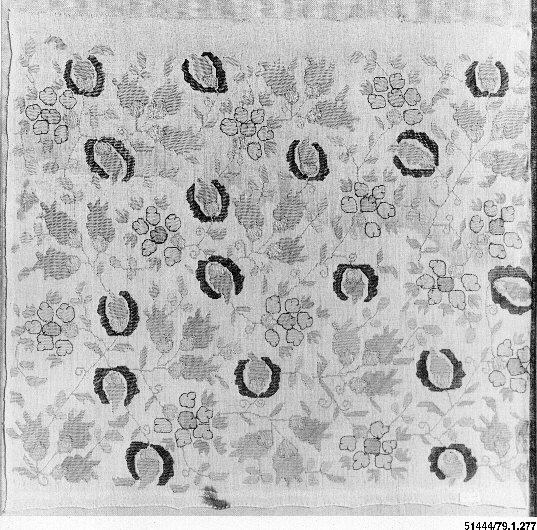
This report presents a strategic heritage analysis of a textile fragment originating from an ancient civilization, composed of linen, silk, and metal-wrapped thread, utilizing plain weave and embroidery techniques. The analysis is conducted for Katherine Fashion Lab, with a focus on symbolic power, historical adornment, spiritual meaning, and the formulation of a 2026 high-end luxury strategy. The fragment serves as a tangible link to pre-industrial artistry, offering profound insights into the intersection of material culture and human expression.
Symbolic Power and Material Semiotics
The textile fragment’s composition—linen, silk, and metal-wrapped thread—embodies a hierarchy of symbolic power. Linen, derived from flax, was historically associated with purity, light, and ritualistic significance in many ancient societies, often reserved for priestly garments or burial shrouds. Its plain weave structure suggests a foundational role, symbolizing earthly connection and humility. In contrast, silk, a later addition in many ancient trade networks, represents opulence, foreignness, and the transcendence of natural limitations. The inclusion of metal-wrapped thread, likely gold or silver, elevates the fragment to a status of divine or royal authority. Metal threads were not merely decorative; they denoted the wearer’s proximity to celestial forces, reflecting light in a manner that mimicked the sun or stars. For Katherine Fashion Lab, this symbolic hierarchy informs a luxury strategy that layers meaning: base materials (linen) ground the garment in authenticity, while precious accents (silk, metal) signal exclusivity and spiritual elevation. In 2026, high-end consumers will seek products that narrate a journey from the mundane to the transcendent, and this fragment provides a template for such storytelling.
Historical Adornment as Social Currency
Historical adornment, as evidenced by this fragment, functioned as a form of social currency, communicating rank, wealth, and cultural identity. The embroidery technique—likely executed with metal-wrapped thread—required exceptional skill and time, making such textiles accessible only to elite classes. In ancient civilizations, adornment was not merely aesthetic; it was a codified system of visual communication. Patterns and motifs, though now fragmented, would have conveyed clan affiliations, marital status, or mythological narratives. For Katherine Fashion Lab, this underscores the importance of craftsmanship as a differentiator in the luxury market. The 2026 strategy should prioritize artisanal techniques that cannot be mass-produced, such as hand-embroidery with precious metals. By reviving these methods, the brand can offer clients a tangible connection to historical prestige. Furthermore, the fragment’s condition—its wear and partial decay—adds a layer of authenticity, suggesting that true luxury embraces imperfection as a marker of history. This aligns with the growing trend of “wabi-sabi” aesthetics in high-end fashion, where flaws are celebrated as evidence of human touch and temporal depth.
Spiritual Meaning and Ritualistic Function
The spiritual meaning of this textile fragment is perhaps its most potent attribute for strategic application. In ancient contexts, textiles were often imbued with protective or transformative properties. Linen’s association with purity made it ideal for funerary rites, while silk’s rarity linked it to immortality and the afterlife. Metal-wrapped threads, reflecting light, were believed to ward off malevolent spirits or attract benevolent deities. Embroidery patterns, though indistinct, likely included geometric or zoomorphic symbols that served as talismans. For Katherine Fashion Lab, this spiritual dimension offers a unique positioning in the 2026 luxury market, where consumers increasingly seek products with holistic value—items that enhance well-being or provide a sense of protection. The brand could develop a “ritual wear” line, integrating symbolic motifs inspired by ancient traditions, such as protective borders or medallions. Collaborations with cultural historians or spiritual advisors could ensure authenticity, while marketing narratives emphasize the garment’s role as a conduit for inner strength. This approach taps into the broader wellness luxury trend, where fashion is not just worn but experienced as a transformative practice.
Strategic Implications for 2026 High-End Luxury
Drawing from this heritage analysis, Katherine Fashion Lab can formulate a robust 2026 high-end luxury strategy centered on three pillars: Material Narratives, Artisanal Exclusivity, and Spiritual Resonance.
Material Narratives involve curating fabrics and embellishments that tell a story of provenance and transformation. Linen sourced from specific regions (e.g., Belgian flax) can be paired with ethically harvested silk and recycled metal threads, echoing the fragment’s blend of natural and precious elements. Each collection should include a “heritage dossier” for clients, detailing the symbolic meaning of materials used, thereby justifying premium pricing through educational value.
Artisanal Exclusivity requires investment in skilled embroiderers and weavers, potentially through partnerships with heritage workshops in regions like India, Italy, or Japan. Limited-edition pieces, each numbered and authenticated, will appeal to collectors who view fashion as investment-grade art. The fragment’s plain weave base suggests that simplicity can be a canvas for complexity; thus, Katherine Fashion Lab should balance minimalist silhouettes with intricate, handcrafted details.
Spiritual Resonance can be operationalized through design motifs derived from ancient symbolism—such as sun disks, tree-of-life patterns, or protective eyes—integrated into modern garments. A “Ritual Capsule” collection, launched in conjunction with a wellness retreat or museum exhibition, could position the brand as a purveyor of meaningful luxury. Pricing should reflect the meditative value of these pieces, with marketing emphasizing their role in personal empowerment and heritage continuity.
Conclusion
This textile fragment, though small and aged, offers a comprehensive blueprint for Katherine Fashion Lab’s 2026 high-end luxury strategy. Its symbolic power, historical adornment, and spiritual meaning are not relics of the past but living principles that can guide contemporary design and brand positioning. By translating these ancient values into modern materials and narratives, the lab can differentiate itself in a saturated market, appealing to discerning clients who seek depth, authenticity, and transcendence in their luxury investments. The fragment is not merely an artifact; it is a strategic asset, reminding us that true luxury is timeless, meaningful, and crafted with intention.