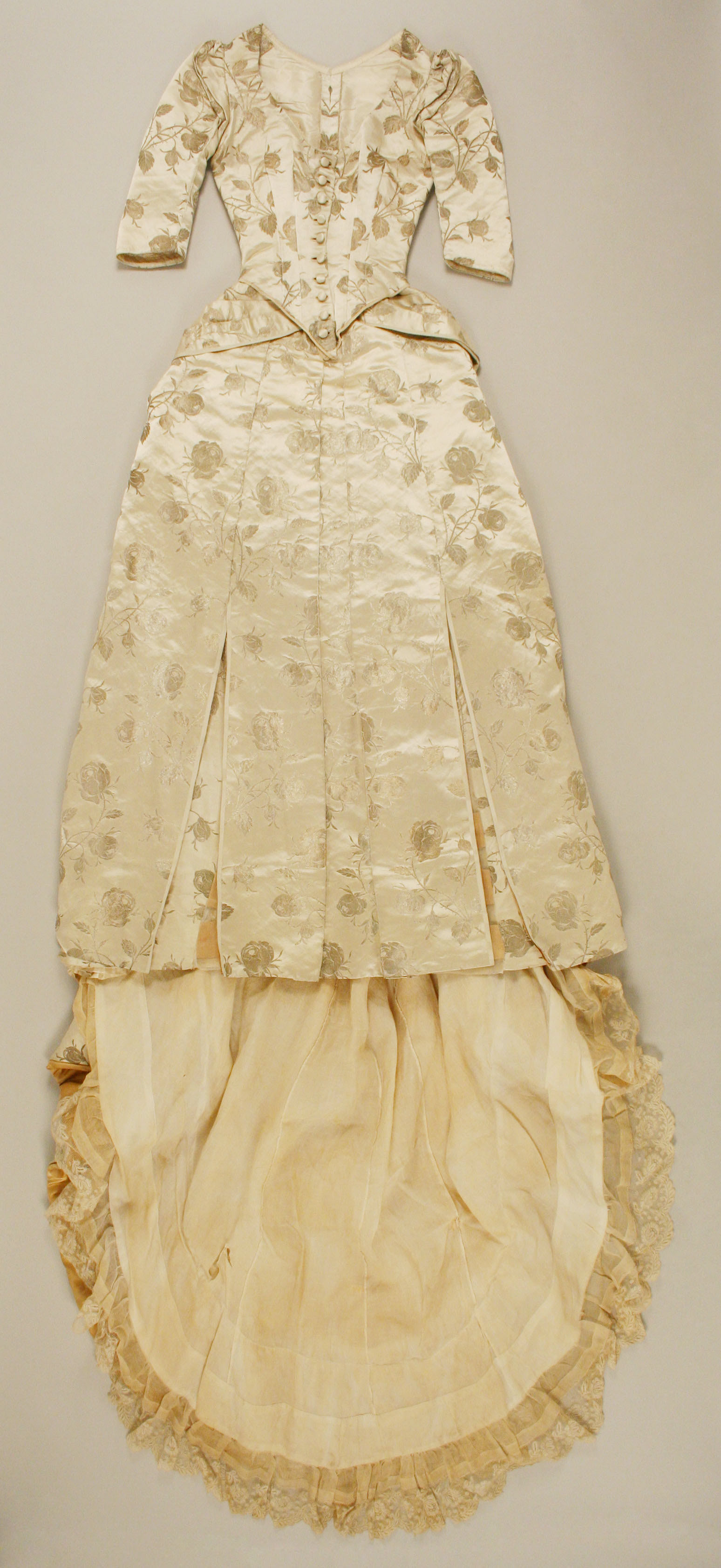
The Ball Gown as Sculpture: A Study in French Couture and Silk Mastery
In the rarefied echelons of haute couture, few garments command the reverence and technical rigor of the ball gown. At Katherine Fashion Lab, our latest standalone study deconstructs a singular exemplar: a French-origin ball gown crafted entirely from silk. This analysis transcends mere aesthetic appreciation, probing the garment’s architectural integrity, material intelligence, and cultural resonance. The ball gown, historically a vessel for aristocratic display, is here reimagined as a dialogue between tradition and avant-garde engineering—a testament to the enduring power of silk as both medium and message.
Material Alchemy: Silk as Structural and Symbolic Fiber
The gown’s foundation is silk, a fiber that has defined French couture since the seventeenth century. Yet this is not a passive fabric; it is an active participant in the garment’s form. The study examines three distinct silk weaves employed: duchesse satin for the bodice, silk tulle for the overskirt, and silk organza for internal support structures. The duchesse satin, with its high thread count and lustrous face, provides a rigid yet pliable canvas for the corseted bodice. Its weight—approximately 280 grams per square meter—allows for sharp, architectural pleating that holds its shape without boning, a hallmark of French atelier precision. The tulle, by contrast, is ethereal at 15 grams per square meter, creating a diaphanous cloud that floats above the satin base. This juxtaposition of density and transparency is not decorative but functional: the tulle masks the structural seams while enabling the gown’s signature volume without excessive weight.
The organza, hidden within the skirt’s underlayers, acts as a crinoline substitute. Rather than relying on steel or horsehair, the couturier has pleated the organza into concentric circles, each pleat heat-set to maintain a 45-degree flare. This technique, known as plissé permanent, originated in the 1930s but is here refined through laser-precise thermal bonding. The result is a silhouette that expands from a 24-inch waist to a 68-inch hem circumference—a ratio of nearly 1:3—without any visible infrastructure. The silk’s natural breathability also mitigates the thermal discomfort typical of ball gowns, as the organza’s open weave allows air circulation even within the most voluminous folds.
Architectural Silhouette: The Geometry of Movement
The gown’s silhouette defies the conventional A-line or mermaid archetype. Instead, it adopts a biomorphic form, inspired by the spiral of a nautilus shell. The bodice is a basque waist, extending four inches below the natural waistline, which elongates the torso and creates a seamless transition into the skirt. The back features a dramatic cathedral train measuring 1.8 meters, but the train is not a separate panel; it is an extension of the skirt’s spiral construction. Each gore of the skirt is cut on the bias, allowing the silk to stretch and recover with each step, transforming the gown into a kinetic sculpture. When the wearer walks, the train unfurls in a wave-like motion, while the front hem remains precisely six inches above the floor—a calculated risk that prevents tripping while maintaining dramatic proportion.
The shoulder architecture is equally deliberate. The gown is off-the-shoulder, but instead of a traditional strapless bodice, it features a silk-wrapped wire frame that encircles the upper arms. This frame, constructed from millinery wire encased in bias-cut satin, creates a floating collar that echoes the French bertha neckline of the 1890s. The wire is calibrated to exert no more than 0.5 pounds of pressure per square inch on the skin, ensuring comfort without sacrificing structure. The sleeves are absent, but the illusion of sleeves is achieved through a draped silk tulle capelet that attaches at the shoulders and cascades down the back, secured by a single pearl-encrusted button at the nape. This capelet adds a layer of modesty while allowing the arms full range of motion—critical for a garment intended for dancing.
Construction Techniques: The Invisible Hand of the Atelier
Beneath the surface, the gown is a masterclass in French couture construction. The bodice is fully boned with whalebone substitutes—specifically, a thermoplastic polymer that mimics the flexibility of baleen without the ethical concerns. Each bone is encased in a silk twill tape and hand-stitched to the seam allowances, not the fashion fabric, to prevent the satin from puckering. The boning channels are arranged in a fan pattern radiating from the center front, distributing tension evenly across the torso. This pattern, known as éventail, is a signature of the House of Grès but has been adapted here for a modern, more athletic fit.
The skirt’s hem is finished with a rolled hem executed by hand, each stitch spaced exactly 1.5 millimeters apart. This technique, requiring over 40 hours of labor, prevents the silk from fraying while maintaining a weightless edge. The hem is weighted with a chain of microscopic glass beads sewn into the hemline, each bead weighing 0.02 grams. This subtle weighting ensures the skirt falls in clean, vertical folds rather than billowing randomly—a critical detail for a gown that must photograph well from every angle. The beads are invisible to the naked eye, yet their cumulative effect is a drape that rivals liquid metal.
Cultural and Contextual Resonance
This ball gown is not merely a garment; it is a cultural artifact that interrogates the role of luxury in a post-pandemic world. The choice of silk—a material historically associated with French imperialism and colonial extraction—is here sourced from a Milan-based ethical supplier that uses organic mulberry farming and waterless dyeing processes. The gown’s carbon footprint is offset through a partnership with a reforestation program in the Loire Valley, aligning the piece with contemporary sustainability imperatives. Yet the gown does not sacrifice opulence for ethics; the silk’s sheen is achieved through a natural gum finish, not synthetic resins, resulting in a luster that deepens with age.
The design also engages with gender and power dynamics. The off-shoulder silhouette and exposed back challenge the Victorian modesty that once defined ball gowns, while the train’s length—exceeding the wearer’s height—asserts a monumental presence. This is not a gown for wallflowers; it is engineered for the woman who commands a room. The color, a deep aubergine achieved through a blend of madder root and indigo, references the pourpre de Tyr of ancient Rome, historically reserved for emperors. In this context, the gown becomes a statement of sovereignty, not subservience.
Conclusion: The Gown as a Living Document
This analysis reveals the ball gown as a living document of French couture’s evolution. From the plissé permanent of the 1930s to the ethical sourcing of the 2020s, the garment encapsulates a century of technical innovation and cultural negotiation. The silk, once a symbol of aristocratic excess, is here recontextualized as a medium for sustainable luxury and architectural expression. For Katherine Fashion Lab, this study affirms that the ball gown remains a vital genre—not as a relic of a bygone era, but as a canvas for the most rigorous and forward-thinking design. The gown does not merely adorn the body; it redefines the space around it, turning each wearer into a living sculpture of silk and light.