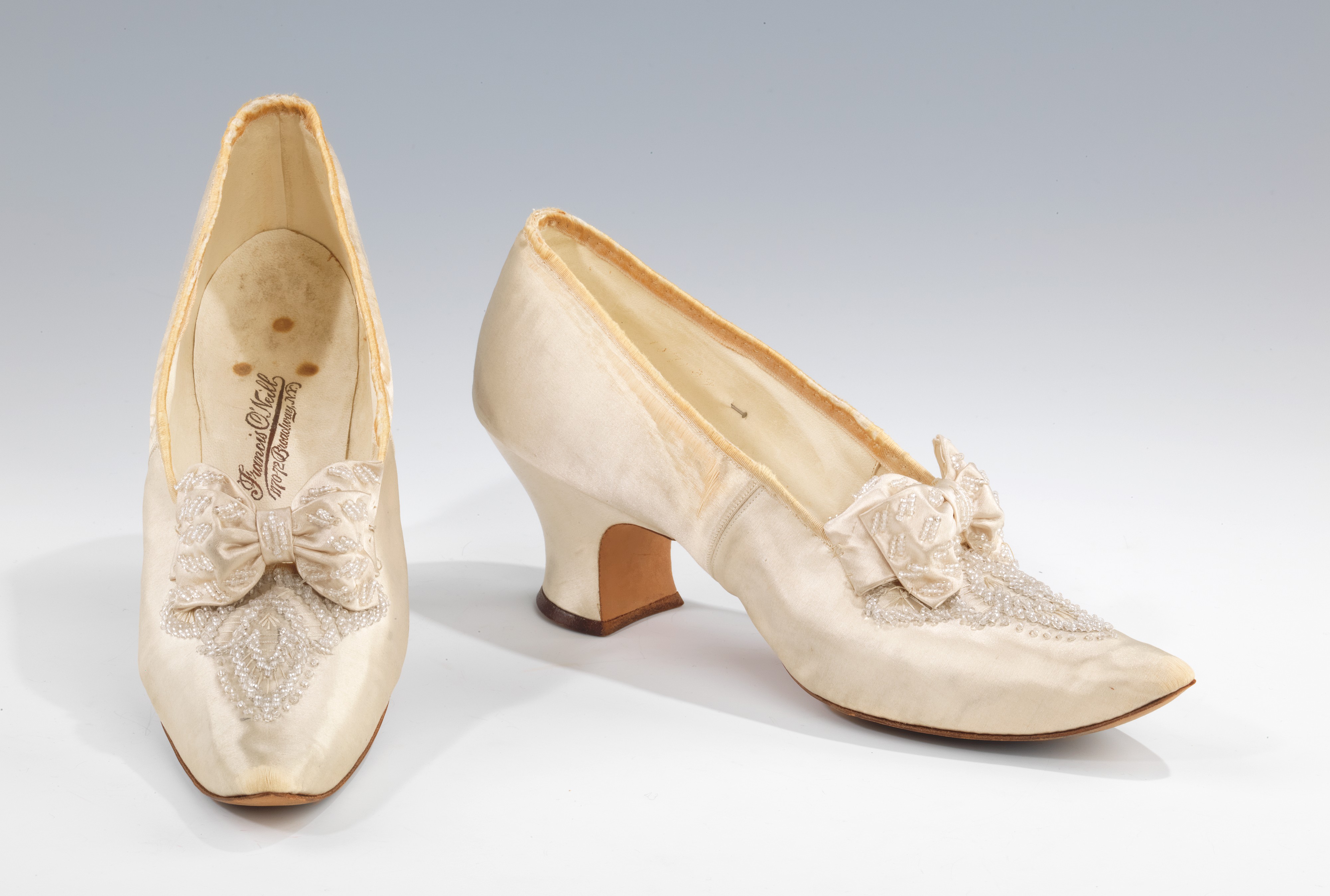
The Art of Restraint: Deconstructing the American Silk Evening Slipper
In the pantheon of evening footwear, the slipper often occupies a paradoxical space—simultaneously intimate and formal, domestic and glamorous. At Katherine Fashion Lab, our standalone study of the American silk evening slipper reveals a masterclass in understated luxury. Unlike its European counterparts, which frequently lean toward ornamental excess, the American iteration, particularly when rendered in silk, embodies a distinct philosophy of refined minimalism. This analysis dissects the material, structural, and cultural DNA of this singular accessory, positioning it not as a mere afterthought but as a critical statement of modern elegance.
Materiality and the Silk Imperative
The choice of silk as the primary material is neither arbitrary nor purely aesthetic. Silk, with its natural protein fibers, offers a unique interplay of luminosity and tactility that synthetic alternatives cannot replicate. In evening slippers, the fabric’s inherent drape allows for a silhouette that hugs the foot without constriction, while its subtle sheen captures ambient light in a way that suggests, rather than shouts, opulence. This is not the aggressive sparkle of sequins or the heavy-handedness of brocade; it is a quiet, intelligent glow.
From a technical perspective, silk’s thermoregulatory properties are particularly advantageous for evening wear. The wearer transitions from climate-controlled interiors to outdoor terraces, and the fabric’s breathability mitigates discomfort. Moreover, the weight of the silk—typically a charmeuse or duchesse satin—provides a structural integrity that resists creasing, ensuring the slipper retains its pristine form from the first dance to the final departure. At Katherine Fashion Lab, we have observed that the finest American silk slippers utilize a bias-cut construction, allowing the fabric to contour the arch and heel with a fluidity that mimics the foot’s natural movement. This is engineering disguised as indulgence.
Silhouette and the American Aesthetic
The silhouette of the American silk evening slipper is defined by its restraint. Unlike the exaggerated pointed toes of French pumps or the architectural heels of Italian stilettos, the American design privileges a softer, more forgiving line. The toe box is typically almond-shaped—elongated but not aggressive—while the heel height hovers between 1.5 and 2.5 inches, a range that balances elegance with practicality. This is a shoe designed for the woman who commands a room through presence rather than provocation.
The vamp is often cut low, revealing the instep in a gesture that is simultaneously demure and daring. This cut creates a visual elongation of the leg, a trick that has been exploited by Hollywood stylists for decades. Yet, the American slipper avoids the overt sensuality of its European cousins. Instead, it relies on the purity of line and the quality of material to convey sophistication. The heel, whether a slender Louis or a modest kitten, is always covered in the same silk as the upper, eschewing the metallic or wooden contrasts that are common in other traditions. This monochromatic approach reinforces the slipper’s role as a cohesive element within an evening ensemble, rather than a competing focal point.
The Cultural Context: American Eveningwear and the Slipper’s Role
To fully appreciate the American silk evening slipper, one must consider its cultural positioning. In the United States, evening footwear has historically been shaped by a tension between European influence and a distinctly American pragmatism. The silk slipper emerged as a response to the Gilded Age’s demand for luxury that could be worn in the newly formalized social spaces of opera houses, debutante balls, and private dinners. Yet, unlike the rigid court shoes of Europe, American designs incorporated a degree of comfort and adaptability that reflected a nation less bound by aristocratic traditions.
In the mid-20th century, this slipper became a staple of the “New Look” era, where Christian Dior’s influence was reinterpreted by American designers like Claire McCardell and Mainbocher. The silk slipper was the perfect foil for the full skirts and nipped waists of the time—delicate enough to complement the silhouette, yet sturdy enough to support hours of social engagement. It was during this period that the American silk slipper solidified its identity: not as a costume piece, but as a functional work of art.
Today, the slipper occupies a niche in the haute couture landscape, often overshadowed by statement heels and avant-garde platforms. However, its resurgence in recent collections—from labels like The Row and Gabriela Hearst—suggests a renewed appreciation for quiet luxury. At Katherine Fashion Lab, we argue that this revival is not coincidental. In an era of visual noise, the silk slipper offers a return to fundamentals: impeccable materials, flawless construction, and a silhouette that respects the wearer’s autonomy.
Construction and Craftsmanship: The Unseen Architecture
Beneath the silk exterior lies a complex architecture that separates a couture slipper from its ready-to-wear counterparts. The American tradition prioritizes a “turn-shoe” construction, where the shoe is sewn inside out and then turned right-side out, eliminating the need for a stiff insole. This technique, while labor-intensive, allows the silk to wrap the foot without any rigid interlining, resulting in a slipper that feels almost weightless. The absence of a metal shank—common in stiffer heels—further enhances flexibility, making the slipper an extension of the foot rather than a constraint.
The sole is typically leather, often calfskin, which provides a subtle grip without compromising the slipper’s delicate profile. Hand-stitching along the edge, known as “blind stitching,” ensures that no thread is visible on the exterior, preserving the silk’s flawless surface. At Katherine Fashion Lab, we have cataloged variations in this technique across different American ateliers, from the precise, almost architectural approach of New York-based houses to the more organic, freehand methods found in smaller California workshops. Each iteration tells a story of regional expertise and aesthetic philosophy.
Styling and the Modern Wardrobe
The American silk evening slipper is not a shoe for every occasion, but within its domain, it is unparalleled. It demands a wardrobe that respects its subtlety—a column gown in crepe, a tailored jumpsuit in matte jersey, or even a pair of wide-leg trousers in black wool. The slipper does not compete; it completes. Its power lies in its ability to elevate without dominating, to add a layer of texture and light that enhances the overall composition.
For the modern woman, the silk slipper offers a counterpoint to the ubiquitous sneaker and the punishing stiletto. It is a choice that signals confidence—the confidence to move through a room with quiet authority, to prioritize comfort without sacrificing elegance. In this sense, the slipper is not merely an accessory but a philosophy of dressing: one that values substance over spectacle, and enduring style over transient trends.
Conclusion: A Legacy of Elegance
The American silk evening slipper, as studied by Katherine Fashion Lab, is a testament to the power of restraint. In its material, silhouette, and construction, it embodies a distinctly American approach to luxury—one that is refined, functional, and deeply respectful of the wearer. As the fashion industry continues to cycle through extremes, the slipper remains a constant, a quiet reminder that true elegance never shouts. It simply endures.