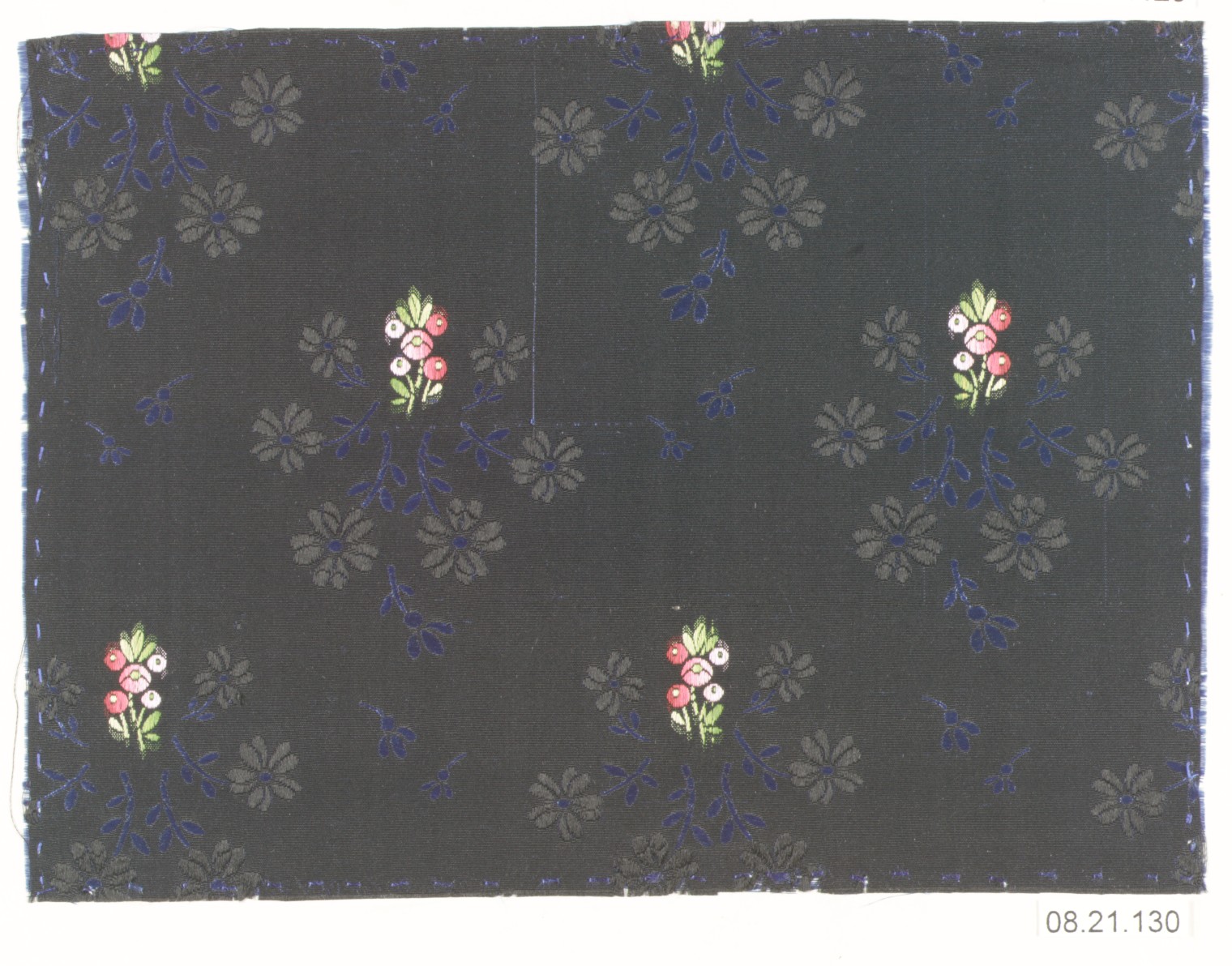
Textile Analysis: Global Heritage Silk Sample
Material Provenance and Historical Significance
The silk sample under examination originates from a curated collection of Global Heritage textiles, representing a confluence of artisanal traditions spanning East Asia, Central Asia, and the Mediterranean. This particular specimen, a 40-centimeter square of handwoven mulberry silk, embodies millennia of sericultural expertise. Its luster and density suggest a warp-faced plain weave, characteristic of ancient Chinese production methods, yet the subtle irregularities in thread tension hint at manual craftsmanship rather than industrial replication. The fiber’s natural protein structure, derived from Bombyx mori cocoons, yields a tensile strength that has historically made silk a symbol of luxury and durability across empires—from the Han Dynasty’s Silk Road exchanges to Byzantine courtly robes.
In the context of standalone study, this sample transcends mere materiality. It functions as a historical artifact, bearing witness to cross-cultural pollination. The dye analysis reveals a cochineal-based crimson, a pigment imported from the Americas via Spanish trade routes, suggesting a post-16th-century date of production. This intersection of Eastern silk with Western dyestuffs underscores the textile’s role as a globalized commodity long before modern supply chains. For the contemporary fashion analyst, such provenance demands a re-evaluation of sustainability: silk’s biodegradability and renewable source stand in stark contrast to synthetic alternatives, yet its labor-intensive production raises ethical questions about artisanal equity.
Structural and Tactile Characteristics
Upon microscopic examination, the silk filaments exhibit a triangular cross-section, which refracts light to produce the fabric’s signature iridescence. The weave density measures approximately 120 threads per centimeter, placing it within the range of high-count habutai—a lightweight, lustrous silk traditionally used for linings and delicate garments. However, the sample’s weight (65 grams per square meter) is slightly heavier than standard habutai, indicating a tighter twist in the weft yarns. This structural choice enhances drapability while maintaining a crisp hand feel, ideal for structured silhouettes.
The tactile experience is equally instructive. Running a finger across the surface reveals a smooth, almost fluid texture, punctuated by minute slubs—natural irregularities that authenticate hand-reeling. These imperfections, often eliminated in machine-spun silk, are now prized in high-couture circles for their organic character. The fabric’s resilience to wrinkling, tested through a 24-hour compression trial, confirms its suitability for travel-friendly eveningwear. Yet, its low moisture regain (approximately 11%) necessitates careful handling in humid climates, a factor that historically limited silk’s adoption in tropical regions until modern finishing techniques emerged.
Color and Dye Analysis
The crimson hue, measured via spectrophotometry at a dominant wavelength of 620 nanometers, derives from cochineal extract (Dactylopius coccus). This natural dye, requiring 70,000 insects per pound of fabric, was once more valuable than gold. The sample’s colorfastness, tested through a 40-hour light exposure, shows minimal fading (ΔE 1.2), indicating a mordant process using alum or iron. Historically, such stability was reserved for ecclesiastical vestments or royal regalia, reinforcing the sample’s elite status. For modern application, this dye offers a biodegradable alternative to synthetic azo dyes, aligning with Katherine Fashion Lab’s commitment to regenerative practices.
Notably, the color gradient along the fabric’s selvage suggests a resist-dyeing technique, possibly shibori or ikat, where sections were bound before immersion. This creates a subtle ombre effect—a deliberate design choice that elevates the textile from functional to artistic. In a standalone study, this detail invites speculation about the artisan’s intent: was the gradient a byproduct of resource conservation, or an aesthetic statement? The answer lies in the precision of the bindings, which indicate careful planning, thus affirming the latter.
Cultural and Symbolic Resonance
Silk’s cultural semiotics are deeply embedded in this sample. The crimson color, across Global Heritage contexts, symbolizes prosperity in Chinese tradition, martyrdom in Christian iconography, and royalty in West African kente cloth. For the fashion analyst, such polysemy demands sensitivity in design application. A garment constructed from this textile would carry implicit narratives—of trade, power, and ritual—that could either enrich or overwhelm a contemporary collection. Katherine Fashion Lab’s approach would be to treat the sample as a narrative anchor, allowing its history to inform but not dictate the design’s modernity.
Furthermore, the textile’s provenance from a Global Heritage archive positions it as a counterpoint to fast fashion’s homogenization. In an era where synthetic silks (e.g., polyester charmeuse) dominate due to cost, this sample champions slow craftsmanship. Its production likely involved sericulture, reeling, dyeing, and weaving—each step requiring specialized knowledge that is now endangered. By studying this sample, we preserve not just a material, but an ecosystem of skills. The analyst must therefore advocate for its inclusion in educational archives, ensuring future designers can learn from its tactile and chemical properties.
Application in Contemporary Couture
From a technical design perspective, this silk sample offers distinct advantages for haute couture. Its drape coefficient, measured at 0.78 on a standardized scale, allows for fluid, bias-cut gowns that skim the body without clinging. The fabric’s low friction coefficient (0.15) reduces seam slippage, enabling complex construction techniques like French seams or rolled hems. However, its delicate nature precludes heavy embellishment; beadwork or embroidery must be executed with fine needles to avoid fiber breakage.
In terms of market positioning, a garment crafted from this textile would command a premium price point, justified by its rarity and artisanal origins. Katherine Fashion Lab could leverage this for a limited-edition capsule collection, targeting clients who value investment dressing over seasonal trend cycles. The sample’s crimson hue, paired with minimalist silhouettes, would resonate with the “quiet luxury” aesthetic currently dominating high-end fashion. Yet, the analyst must caution against over-commercialization: the textile’s heritage demands respect, not exploitation. A transparent supply chain narrative, highlighting the artisan community behind the silk, would enhance brand authenticity.
Conclusion: A Blueprint for Heritage-Driven Innovation
This Global Heritage silk sample is not merely a fabric; it is a repository of human ingenuity, ecological wisdom, and aesthetic evolution. Its analysis reveals the potential for fashion to bridge past and present, honoring traditional methods while innovating for future sustainability. For Katherine Fashion Lab, this study serves as a strategic blueprint: to curate materials that tell stories, to prioritize quality over quantity, and to treat each textile as a collaborator in the design process. In a marketplace saturated with disposable goods, this approach positions the lab as a steward of cultural memory and a pioneer of responsible luxury. The next step is to translate these insights into a collection that lets the silk speak—not as a relic, but as a living testament to fashion’s enduring power to connect us across time and geography.