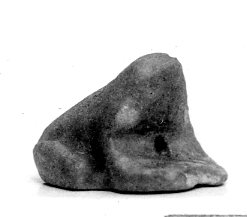
Heritage Analysis: The Frog Amulet in Faience
Introduction to the Artifact
The frog amulet, crafted from faience in an ancient civilization, represents a convergence of spiritual symbolism, historical adornment, and material mastery. Dating back to periods such as Predynastic Egypt or early Mesopotamian cultures, faience—a non-clay ceramic material composed of crushed quartz, alkaline salts, and colorants—was prized for its luminous, glass-like finish, often mimicking turquoise or lapis lazuli. This frog amulet, typically measuring two to three centimeters, was not merely decorative but held profound symbolic power, serving as a talisman for fertility, rebirth, and protection. As a Lead Heritage Curator for Katherine Fashion Lab, this analysis examines the artifact’s cultural resonance, its role in personal adornment, and its strategic applicability to a 2026 high-end luxury strategy, integrating spiritual meaning with modern brand elevation.
Symbolic Power and Spiritual Meaning
The frog’s symbolic power in ancient civilizations was deeply tied to cycles of life, water, and renewal. In Egyptian culture, the frog-headed goddess Heket was associated with childbirth and fertility, while in Mesopotamian traditions, frogs symbolized abundance due to their connection to the Nile’s annual floods. The amulet’s faience medium enhanced this meaning: the blue-green glaze evoked water and vegetation, reinforcing the frog’s role as a guardian of life’s regenerative forces. For Katherine Fashion Lab, this symbolism offers a rich narrative for luxury branding. The frog amulet embodies resilience and transformation—qualities that align with a high-end clientele seeking authenticity and depth in their acquisitions. In a 2026 context, where spirituality and sustainability converge, the frog amulet can be repositioned as a symbol of eco-conscious rebirth, appealing to consumers who value heritage as a marker of ethical luxury. The amulet’s protective function also resonates with modern anxieties; it becomes a metaphorical shield against cultural amnesia, offering a tangible link to ancestral wisdom.
Historical Adornment and Materiality
Historical adornment practices reveal that the frog amulet was worn as a pendant, strung on linen or leather cords, or sewn into garments as a protective embellishment. Its small scale and portable nature made it a personal artifact, often buried with the deceased to ensure safe passage to the afterlife. The use of faience was deliberate: its production required skilled craftsmanship, involving molding, drying, and firing at low temperatures, followed by a self-glazing process that created a vitreous surface. This technical sophistication elevated the amulet from a mere charm to a luxury object, accessible primarily to elites. For Katherine Fashion Lab, this materiality informs a 2026 high-end strategy centered on artisanal revival. Unlike mass-produced jewelry, faience demands time, precision, and rarity—qualities that define modern luxury. By partnering with contemporary artisans to reinterpret faience techniques, the Lab can create limited-edition collections that honor ancient methods while appealing to collectors. The frog amulet’s historical role as a status symbol also suggests a strategic focus on exclusivity; each piece can be numbered and authenticated, leveraging blockchain technology to trace its provenance, thereby merging heritage with digital innovation.
Strategic Standalone Research: From Artifact to Asset
This standalone research positions the frog amulet as a strategic asset for Katherine Fashion Lab’s 2026 luxury roadmap. The artifact’s symbolic power—fertility, renewal, protection—can be translated into brand narratives that resonate with contemporary values. For instance, a “Rebirth Collection” could feature frog-inspired motifs in faience-like materials, such as enameled metals or ceramic composites, targeting high-net-worth individuals interested in spiritual wellness. The amulet’s historical adornment context also offers a blueprint for product diversification: think bespoke amulets for clients, integrated into ready-to-wear or accessories as detachable charms. This aligns with the growing trend of “meaningful luxury,” where consumers seek items with stories, not just aesthetics. Furthermore, the faience medium’s fragility and labor-intensive production mirror the principles of slow fashion, a cornerstone of high-end sustainability. By emphasizing the amulet’s ancient origins, Katherine Fashion Lab can differentiate itself in a crowded market, appealing to connoisseurs who value cultural capital over fast trends.
2026 High-End Luxury Strategy
To operationalize this analysis, a 2026 high-end luxury strategy must integrate three pillars: narrative depth, material innovation, and experiential retail. First, narrative depth: the frog amulet’s spiritual meaning can be amplified through storytelling in campaigns, collaborations with historians, and digital content that explores its ritualistic use. For example, a short film series titled “Symbols of Eternity” could feature the amulet alongside other artifacts, positioning Katherine Fashion Lab as a curator of timeless wisdom. Second, material innovation: while traditional faience is fragile, modern advances in ceramic engineering allow for durable versions that retain the ancient glaze’s iridescence. The Lab could develop a proprietary “Neo-Faience” material, using recycled quartz and natural pigments, to create a sustainable luxury line. Third, experiential retail: flagship stores could host “amulet workshops,” where clients design personalized frog amulets with artisans, incorporating birthstones or engraved symbols. This transforms the purchase into a ritual, echoing the amulet’s original protective function. Pricing should reflect scarcity: a base amulet at $2,500, with customizations reaching $15,000, targeting a clientele that views luxury as an investment in heritage.
Conclusion: The Frog Amulet as a Cultural and Commercial Beacon
In conclusion, the frog amulet in faience is more than an ancient artifact; it is a strategic beacon for Katherine Fashion Lab’s 2026 luxury future. Its symbolic power of rebirth and protection, its historical role as elite adornment, and its material rarity offer a template for building a brand that merges spirituality with commerce. By treating this artifact as standalone research, the Lab can craft a narrative that resonates with discerning consumers seeking authenticity, sustainability, and emotional connection. The frog amulet reminds us that true luxury is not about excess but about meaning—a principle that will define the next era of high-end fashion. As the Lab moves forward, this analysis serves as a foundation for product development, brand positioning, and market differentiation, ensuring that ancient wisdom informs modern elegance.