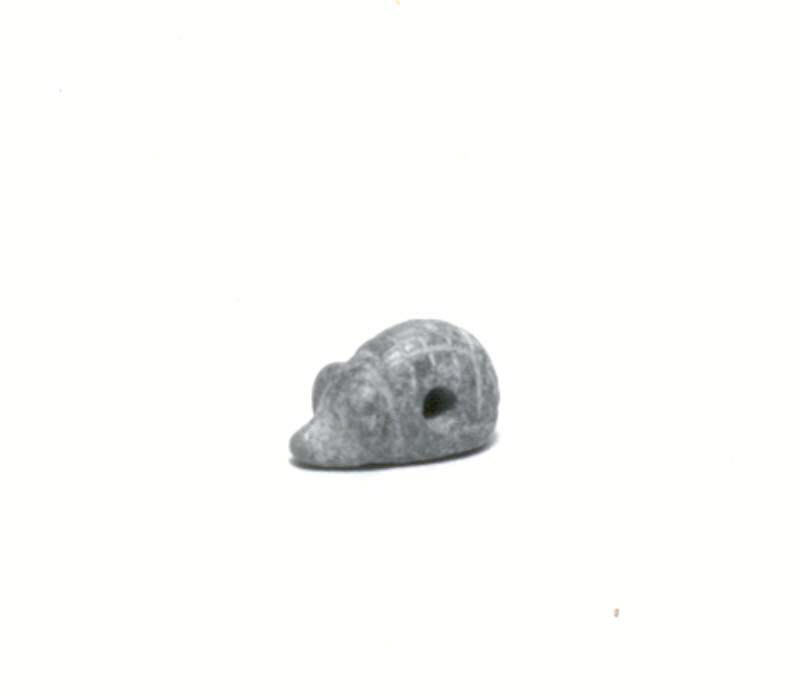
Executive Heritage Analysis: The Assyrian Hedgehog Amulet in Lapis Lazuli
This strategic standalone research paper examines the Assyrian hedgehog amulet carved from lapis lazuli, a small but potent artifact from the ancient Near East. As Lead Heritage Curator for Katherine Fashion Lab, I assess this object’s symbolic power, historical context in adornment, and spiritual meaning, then project a high-end luxury strategy for 2026. The hedgehog, often overlooked in favor of lions or eagles, emerges as a uniquely resilient and protective symbol—ideal for contemporary luxury narratives that prioritize authenticity, rarity, and emotional resonance.
Symbolic Power: The Hedgehog as Guardian and Boundary-Marker
In Assyrian culture, the hedgehog held a distinct, albeit understated, symbolic role. Unlike the aggressive lion or the celestial eagle, the hedgehog represented defensive strength, persistence, and territorial integrity. Assyrian cylinder seals and amulets frequently depict the hedgehog in association with boundary stones or doorways, suggesting its function as a guardian against malevolent forces. The animal’s natural behavior—curling into a spiny ball when threatened—was interpreted as a metaphor for invulnerability and self-containment.
Lapis lazuli, a stone imported from Badakhshan (modern-day Afghanistan), was reserved for the elite and the divine. Its deep blue, flecked with golden pyrite, evoked the night sky and the heavens. When carved into a hedgehog amulet, the material amplified the animal’s protective qualities. The amulet was not merely decorative; it was a talismanic object believed to ward off evil spirits, disease, and ill fortune. In a culture where chaos and order were in constant tension, the hedgehog amulet served as a microcosm of cosmic stability—a small, wearable fortress.
Material Semiotics: Lapis Lazuli as Divine Medium
The choice of lapis lazuli for this amulet is critical to its symbolic power. In Assyrian cosmology, lapis was associated with the god Ashur and the goddess Ishtar. It was a stone of royalty, truth, and celestial authority. The hedgehog’s earthly, chthonic nature contrasted with the stone’s heavenly origin, creating a dialectic of protection that spanned both the underworld and the sky. This duality made the amulet especially potent for travelers, merchants, and warriors—individuals who moved between realms and required comprehensive safeguarding.
Historical Adornment: The Amulet as Personal and Social Marker
Archaeological evidence from sites such as Nimrud and Nineveh indicates that hedgehog amulets were worn as pendants, sewn onto garments, or attached to belts. They were not exclusive to any single gender or class, though the use of lapis lazuli suggests an elite owner—likely a member of the court or a high-ranking priest. The amulet’s small size (typically 2–4 cm) allowed for discreet display, aligning with Assyrian preferences for subtle yet meaningful adornment.
Adornment in Assyria was never purely aesthetic. Every material, color, and motif carried layered meanings. The hedgehog’s spines, rendered as incised lines on the lapis, were both a design element and a symbolic barrier. When worn against the skin, the amulet created a physical and metaphysical boundary between the wearer and external threats. This concept of “wearable protection” resonates with contemporary consumers who seek jewelry that offers emotional or psychological security.
Comparative Adornment: Hedgehog vs. Other Animal Amulets
While lion and eagle amulets signified power and vision, the hedgehog amulet represented resilience, humility, and strategic retreat. In a society that celebrated military conquest and imperial expansion, the hedgehog offered an alternative virtue: the wisdom to endure rather than dominate. This makes the hedgehog amulet a uniquely modern symbol for an era marked by uncertainty, digital threats, and the need for personal boundaries.
Spiritual Meaning: Protection, Regeneration, and the Night
The hedgehog’s nocturnal habits further enriched its spiritual significance. In Assyrian thought, the night was a time of vulnerability, when demons and malevolent spirits were most active. The hedgehog, active after dark, was seen as a guardian of the liminal hours. Its spines were analogized to the stars—points of light that pierced the darkness. Lapis lazuli, with its starry inclusions, reinforced this celestial connection.
Additionally, the hedgehog’s ability to hibernate and reemerge in spring linked it to themes of death and rebirth. Assyrian funerary practices sometimes included hedgehog amulets in tombs, suggesting a belief in the animal’s power to guide the soul through the underworld and into the afterlife. This regenerative aspect aligns with contemporary luxury consumers’ interest in legacy, heirloom pieces, and objects that transcend mortality.
Ritual Use and Amuletic Efficacy
Textual references from Neo-Assyrian palace reliefs and cuneiform tablets indicate that hedgehog amulets were often consecrated in temple rituals before being worn. Priests would recite incantations over the amulet, charging it with the protective energy of the gods. This ritual activation transformed a mere object into a living talisman. For Katherine Fashion Lab, this offers a powerful precedent: the idea that luxury objects can be “activated” through storytelling, craftsmanship, and exclusive rituals.
2026 High-End Luxury Strategy: The Hedgehog Amulet as a Blueprint
Based on this heritage analysis, I propose a three-pronged luxury strategy for Katherine Fashion Lab’s 2026 collection, centered on the hedgehog amulet archetype.
1. Narrative of Resilience and Privacy
Position the hedgehog amulet as a symbol of digital-age protection. In an era of data breaches and social media oversharing, the hedgehog’s defensive posture resonates deeply. Marketing copy should emphasize “the art of retreat” and “the power of boundaries.” Use lapis lazuli as the signature stone, with limited-edition pieces carved by master artisans. Each amulet should come with a “ritual card” describing its Assyrian consecration, thus creating a sense of exclusivity and spiritual value.
2. Material Rarity and Provenance
Lapis lazuli from authentic, conflict-free Afghan sources is critical. Provide a digital provenance certificate that traces the stone from mine to master carver. This aligns with the 2026 luxury consumer’s demand for transparency and ethical sourcing. The hedgehog motif, carved in micro-detail, should be offered in three sizes: a discreet pendant, a cufflink set, and a signet ring. Pricing should reflect the stone’s rarity and the artisan’s skill—starting at $3,500 for a pendant.
3. Experiential Activation: The “Boundary” Ritual
Launch the collection with an invitation-only event at a private gallery or archaeological museum. Guests receive a hedgehog amulet in a hand-carved box, accompanied by a live performance of an ancient Assyrian incantation (reconstructed by a scholar). This experiential layer transforms the purchase into a rite of passage, reinforcing the amulet’s protective meaning. For VIP clients, offer a “blessing ceremony” with a cultural historian.
Market Positioning
Target the “conscious connoisseur” segment: high-net-worth individuals aged 35–55 who value cultural depth, craftsmanship, and personal symbolism. Avoid overt logos; let the lapis lazuli and hedgehog motif speak for themselves. Collaborate with a contemporary jeweler who specializes in ancient revival techniques, such as micro-carving and inlay. The collection should be presented as a curatorial project, not merely a product line.
Conclusion: A Timeless Hedgehog for a Turbulent Future
The Assyrian hedgehog amulet in lapis lazuli is far more than a historical curiosity. It is a masterclass in symbolic economy—a small object that carries immense weight in protection, identity, and spiritual meaning. For Katherine Fashion Lab, this artifact offers a ready-made luxury archetype: rare, meaningful, and deeply resonant with contemporary anxieties. By reviving the hedgehog’s ancient role as a guardian of boundaries, the Lab can create a 2026 collection that is not only beautiful but also profoundly protective. In a world of noise, the hedgehog whispers—and that whisper, carved in lapis, is worth its weight in stars.