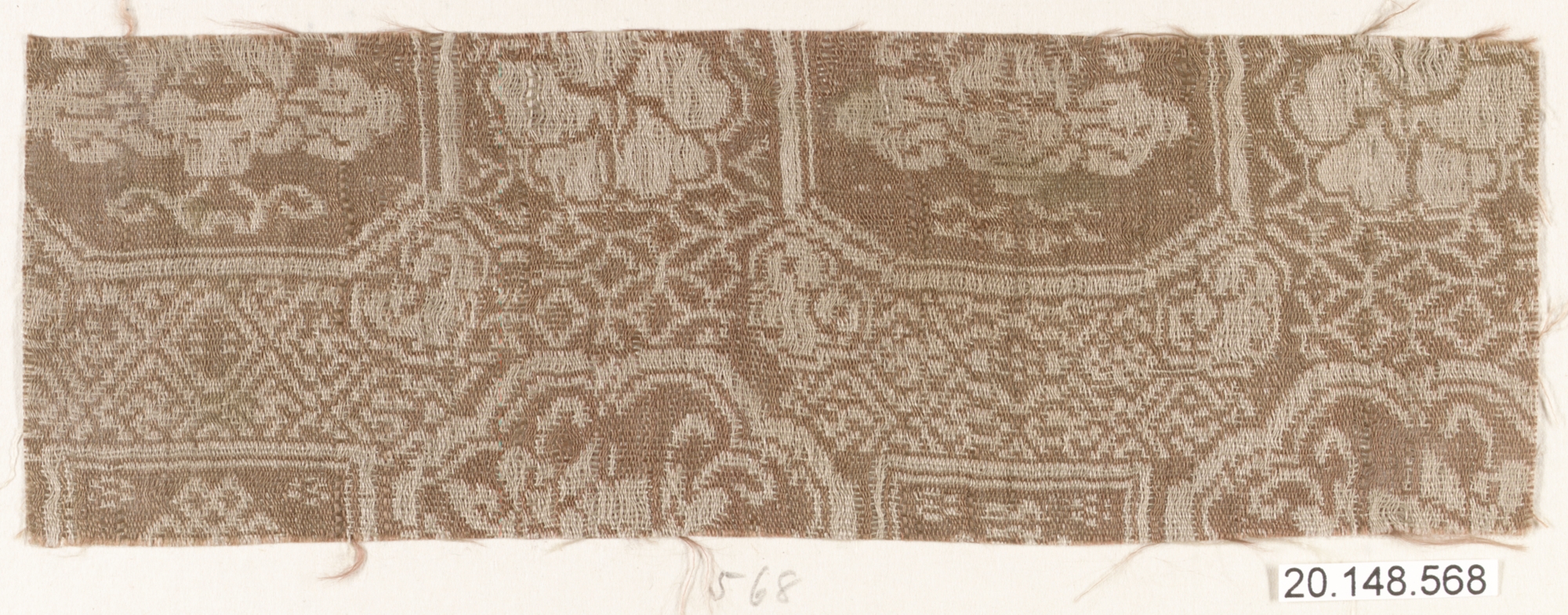
Heritage Analysis: The Japanese Silk Compound Weave
Introduction: The Subject as a Cultural Artifact
The Piece under analysis is a Japanese silk compound weave, a textile of exceptional technical and symbolic complexity. Originating from Japan, this medium—silk interwoven with supplementary wefts to create intricate, multi-layered patterns—represents a pinnacle of pre-industrial artistry. For Katherine Fashion Lab, this artifact is not merely a fabric sample; it is a strategic repository of symbolic power, historical adornment, and spiritual meaning. This standalone research paper deconstructs these layers to inform a high-end luxury strategy for 2026, positioning the brand at the intersection of cultural authenticity and aspirational modernity.
Symbolic Power: The Language of Pattern and Material
In Japanese culture, silk is not a neutral material. It is a living symbol of status, purity, and divine connection. The compound weave technique, known historically as nishiki (brocade) or kara-ori (Chinese weave adapted in Japan), was reserved for the imperial court, samurai elite, and religious institutions. Each pattern carried deliberate semiotic weight. For instance, cranes signified longevity and fidelity; chrysanthemums represented the imperial family and rejuvenation; and geometric kikko (tortoise shell) motifs conveyed protection and endurance. The compound weave allowed these symbols to be rendered in polychrome silk threads, often with gold or silver-wrapped wefts, creating a visual hierarchy where light and texture reinforced the narrative.
From a strategic standpoint, this symbolic power offers Katherine Fashion Lab a differentiation lever. In a 2026 luxury market saturated with minimalist branding, a garment that embeds explicit, culturally resonant symbols—such as a phoenix (renewal) or pine (resilience)—can command premium positioning. The key is to decode these symbols for a global audience without diluting their integrity. For example, a capsule collection could feature a "Protection" series using kikko motifs, marketed through storytelling that ties each pattern to a universal human value, such as strength or continuity.
Historical Adornment: The Body as a Canvas for Power
Historically, the Japanese silk compound weave adorned the kimono, the quintessential garment of identity. During the Heian period (794–1185), courtiers used layered silk robes (the junihitoe) to display subtle color gradations that indicated rank, season, and poetic sensibility. By the Edo period (1603–1868), the compound weave evolved into lavish kosode (precursor to the modern kimono) worn by merchant-class women and kabuki actors, signifying wealth and social ambition. The garment's cut—straight lines, T-shape—emphasized the textile itself as the primary aesthetic object, not the silhouette.
This historical context reveals a critical insight for luxury strategy: adornment in Japan was never merely decorative; it was a coded language of social navigation. For Katherine Fashion Lab, this suggests that the 2026 collection should prioritize fabric as narrative over silhouette as trend. A modern interpretation could involve constructing a dress or jacket that mimics the kimono's structural respect for the textile—for instance, a coat with minimal seams that allows a compound weave pattern to flow uninterrupted. This approach aligns with the broader luxury shift toward artisanal storytelling, where the garment becomes a collectible artifact rather than a seasonal commodity.
Spiritual Meaning: The Weave as a Sacred Act
Beyond its social function, the silk compound weave in Japan carries profound spiritual meaning. Silk production was historically associated with Shinto purity rites, as the silkworm's life cycle—from egg to moth—was seen as a metaphor for rebirth and transformation. The weaving process itself was a meditative, ritualized act. In many Buddhist contexts, weaving was a form of sangha (community) practice, with prayers woven into the threads. The compound weave, with its multiple layers, was believed to create a protective barrier against malevolent spirits.
This spiritual dimension is a powerful asset for high-end luxury in 2026. Consumers increasingly seek meaningful consumption—products that offer not just status but emotional or spiritual resonance. Katherine Fashion Lab can leverage this by positioning each compound weave piece as a talismanic object. For example, a limited-edition scarf or shawl could be woven with a specific Buddhist prayer or Shinto blessing, marketed as a "wearable meditation." The brand could collaborate with contemporary Japanese textile masters who still practice these spiritual weaving traditions, ensuring authenticity and creating a narrative of sacred craftsmanship that justifies a high price point.
2026 High-End Luxury Strategy: From Artifact to Aspiration
To translate this heritage analysis into a viable 2026 strategy, Katherine Fashion Lab must navigate three key pillars: authenticity, exclusivity, and narrative architecture.
Authenticity Through Collaboration
The compound weave is a dying art; fewer than 50 master weavers in Japan practice traditional nishiki weaving. A strategic partnership with these artisans—such as those based in Kyoto's Nishijin district—provides irreplaceable provenance. Each piece should be certified with a digital heritage passport, detailing the weaver, pattern meaning, and spiritual significance. This transparency builds trust and justifies a price point exceeding $10,000 per garment.
Exclusivity Through Limited Drops
Scarcity is a cornerstone of luxury. The 2026 collection should be limited to 100 pieces globally, each one unique in pattern and colorway. This aligns with the Japanese concept of ichigo ichie (one time, one meeting)—the idea that each encounter is unrepeatable. Marketing materials should emphasize that no two garments are identical, elevating the piece from clothing to a collectible work of art.
Narrative Architecture: The Spiritual-Luxury Positioning
The brand's 2026 campaign should pivot from "heritage" to "transcendence." Instead of merely educating consumers about history, the narrative should position the compound weave as a tool for modern well-being. For example, a campaign could feature a philosopher or a Zen monk discussing how wearing a symbolic pattern—like the seigaiha (wave) pattern for resilience—can influence mindset. This taps into the growing market for conscious luxury, where consumers pay a premium for products that offer psychological or spiritual utility.
Conclusion: The Compound Weave as a Strategic Asset
The Japanese silk compound weave is more than a textile; it is a cultural technology for encoding power, status, and spirituality. For Katherine Fashion Lab, this analysis reveals that the 2026 luxury market will reward brands that move beyond surface-level exoticism and instead offer deep, authentic narratives that resonate on symbolic and emotional levels. By treating each piece as a sacred artifact, limiting production, and weaving spiritual meaning into the brand story, Katherine Fashion Lab can capture the discerning consumer seeking not just fashion, but a meaningful inheritance. The compound weave, in its silent splendor, becomes the ultimate luxury: a tangible connection to the divine and the eternal.