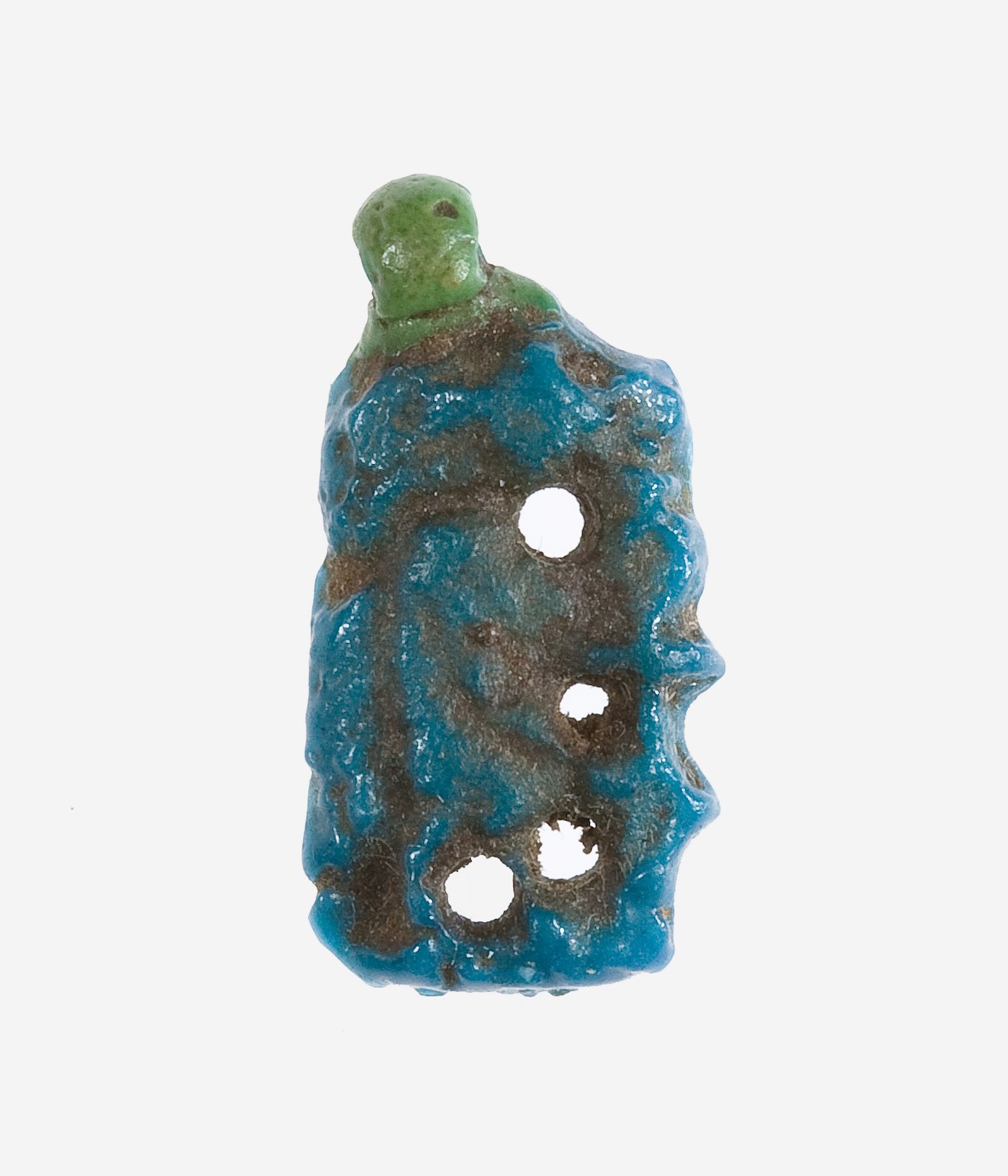
Heritage Analysis: The Taweret Amulet as a Strategic Artifact for Katherine Fashion Lab
In the pursuit of curatorial excellence and brand differentiation, Katherine Fashion Lab recognizes that true luxury is not merely crafted—it is consecrated by history. The ancient Egyptian Taweret amulet, carved from faience, represents a pinnacle of symbolic power and spiritual meaning that transcends millennia. For the 2026 high-end luxury strategy, this artifact offers a profound narrative of protection, fertility, and divine authority, positioning Katherine Fashion Lab at the intersection of heritage and haute couture.
Symbolic Power: Taweret as a Guardian of Life and Luxury
The Taweret amulet embodies the syncretic power of the hippopotamus, lion, crocodile, and human female form—a composite deity revered as the protector of childbirth, motherhood, and domestic sanctity. In ancient Egyptian cosmology, Taweret (literally “the great female”) was invoked to ward off malevolent spirits and ensure safe passage through the perilous threshold of birth. Her iconography, often rendered in vivid blue-green faience, communicated both ferocity and nurturing, a duality that resonates deeply with the modern luxury consumer seeking empowerment and sanctuary.
For Katherine Fashion Lab, the symbolic power of Taweret offers a distinct narrative asset. In a 2026 market saturated with minimalist branding, a return to potent, protective symbolism can differentiate the House as a custodian of meaning. The amulet’s function as a talisman—worn close to the body to channel divine energy—aligns with the contemporary demand for objects that provide emotional and spiritual security. This is not adornment as decoration; it is adornment as armor. By integrating Taweret’s symbolism into limited-edition jewelry, textile motifs, or packaging, Katherine Fashion Lab can position each piece as a modern-day amulet, conferring status and spiritual resilience upon the wearer.
Historical Adornment: Faience as the Medium of Eternity
Faience, a non-clay ceramic material composed primarily of crushed quartz, was revered in ancient Egypt as a substitute for precious stones like turquoise and lapis lazuli. Its brilliant blue-green hue, achieved through copper oxide glazing, symbolized rebirth, fertility, and the Nile’s life-giving waters. The Taweret amulet, typically measuring two to four centimeters, was strung on linen or leather cords and worn at the neck, wrist, or ankle. This intimate placement ensured constant contact with the skin, reinforcing the amulet’s protective properties.
From a strategic perspective, the choice of faience as a medium is instructive for Katherine Fashion Lab’s material innovation. Faience represents the ancient world’s mastery of synthetic materials—a precursor to modern lab-grown gemstones and advanced composites. For 2026, the House can draw inspiration from faience’s luminous quality and symbolic weight by developing proprietary materials that mimic its translucency and depth. Consider a signature “Taweret Blue” glaze for ceramic accessories or a silk satin printed with microscopic faience patterns. The historical precedent of faience as a democratizing luxury—accessible to elites yet crafted with technical sophistication—mirrors Katherine Fashion Lab’s ambition to create accessible exclusivity through heritage storytelling.
Spiritual Meaning: The Amulet as an Interface Between Worlds
In ancient Egyptian belief, amulets were not passive ornaments; they were active agents in the spiritual economy. The Taweret amulet, often placed on mummies or worn by pregnant women, served as a conduit for divine protection. Its placement on the body corresponded to specific chakra-like energy centers, with the heart and womb considered primary sites of vulnerability and power. The amulet’s spiritual efficacy was activated by ritual incantations and the wearer’s faith, creating a symbiotic relationship between object and owner.
For Katherine Fashion Lab’s 2026 strategy, this spiritual dimension offers a blueprint for experiential luxury. The modern consumer increasingly seeks objects that facilitate mindfulness, intention, and connection. By framing the Taweret amulet as a tool for spiritual self-care, the House can develop a “Ritual Collection” that includes guided meditations, ceremonial unboxing experiences, and collaborative content with wellness practitioners. Each accessory could be accompanied by a digital “activation code” that unlocks a bespoke soundscape or guided visualization, bridging ancient practice with contemporary technology. This transforms the purchase from a transaction into a pilgrimage, deepening brand loyalty and emotional resonance.
2026 High-End Luxury Strategy: From Artifact to Icon
The integration of the Taweret amulet into Katherine Fashion Lab’s 2026 strategy requires a multi-layered approach that respects historical authenticity while embracing modern luxury’s demand for rarity, storytelling, and personalization.
Heritage-Driven Product Architecture
Develop a capsule collection of amulet-inspired pendants, cuffs, and brooches in precious metals and vitreous enamel. Each piece should be numbered and accompanied by a provenance card detailing the amulet’s historical context. Limited to 1,926 units (a nod to the year of Tutankhamun’s tomb discovery), the collection creates scarcity and curatorial value. For ultra-high-net-worth clients, offer bespoke commissions that incorporate their birthstone or personal sigil alongside Taweret’s iconography.
Narrative Merchandising and Digital Immersion
Partner with Egyptologists and museum curators to produce a short film series titled “The Guardians,” exploring Taweret’s role in ancient daily life. This content, hosted on a dedicated microsite, can be gated behind a QR code embedded in product packaging. The digital experience should include 3D scans of original amulets, allowing clients to rotate and zoom on the artifact that inspired their purchase. This bridges physical and digital luxury, appealing to the tech-savvy Gen Z and Alpha demographics.
Ritualized Retail and Collaboration
Redesign flagship store windows to evoke the Temple of Karnak’s hypostyle hall, with blue-green lighting and water features. Install a “Taweret Sanctuary” where clients can participate in a guided intention-setting ritual before making a purchase. Collaborate with niche perfumers to create a “Taweret” scent—notes of lotus, myrrh, and Nile silt—available exclusively with the collection. This multi-sensory activation positions Katherine Fashion Lab as a destination for transformative luxury, not mere consumption.
Pricing and Positioning
Position the Taweret collection at the upper tier of Katherine Fashion Lab’s offerings, with entry-level pendants at $2,500 and bespoke pieces exceeding $50,000. The pricing reflects the artifact’s historical weight and the brand’s investment in ethical sourcing, artisan craftsmanship, and digital innovation. For the 2026 season, this collection should be marketed as “The Origin Collection,” emphasizing that true luxury begins with meaning.
Conclusion: The Amulet as a Strategic Compass
The Taweret amulet is far more than a decorative curiosity; it is a strategic artifact that teaches Katherine Fashion Lab how to imbue modern luxury with ancient purpose. By harnessing its symbolic power, historical materiality, and spiritual resonance, the House can create a 2026 collection that stands apart in a crowded market. In an era where consumers demand authenticity, protection, and transcendence, the Taweret amulet offers a timeless blueprint: luxury as a vessel for the sacred. Katherine Fashion Lab is uniquely positioned to translate this heritage into a living, breathing icon of modern elegance.