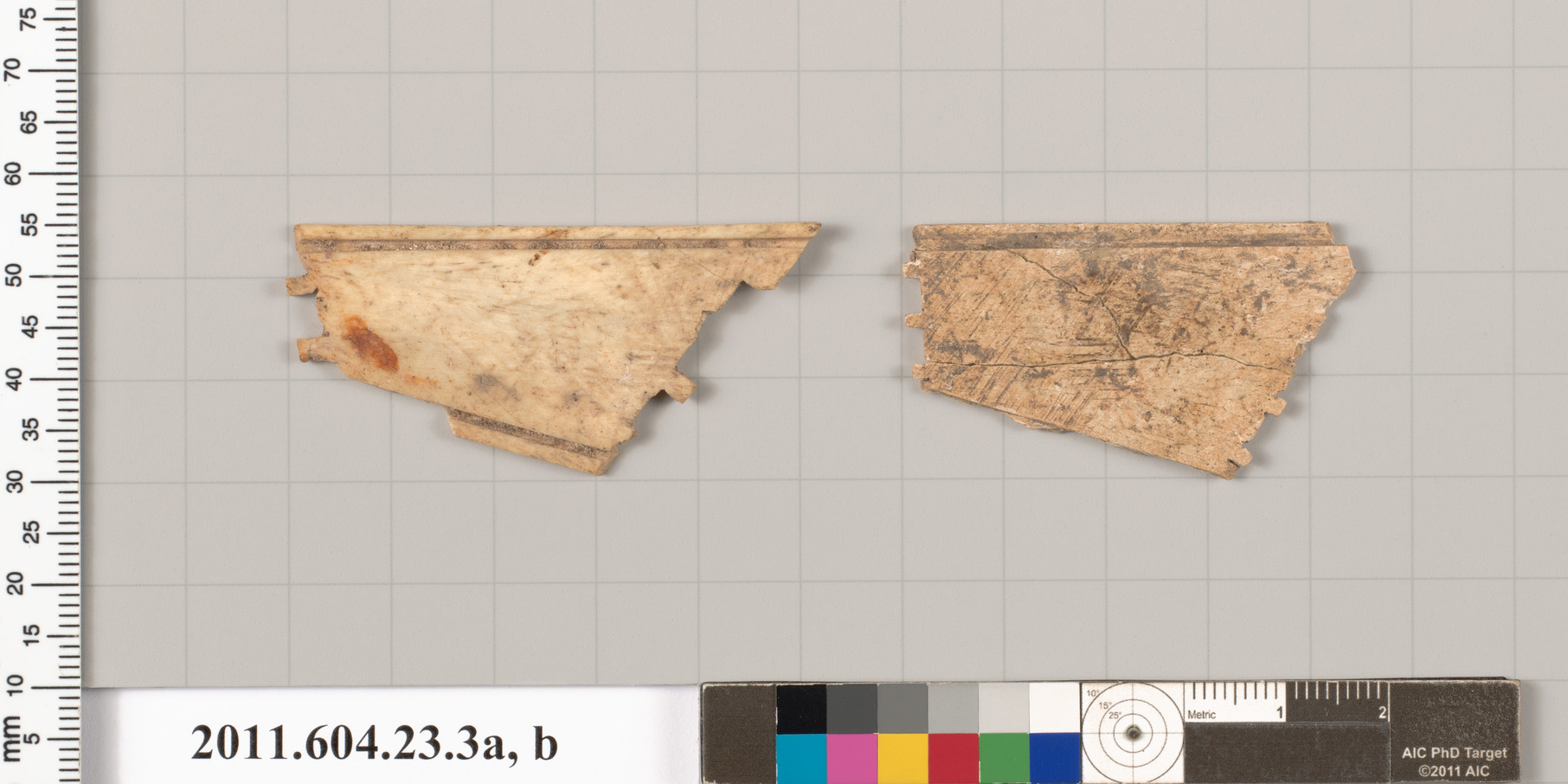
Heritage Analysis: Bone and Ivory Fragments in Ancient Adornment
This strategic standalone research paper, prepared for Katherine Fashion Lab, examines the cultural and symbolic significance of bone and ivory fragments from ancient civilizations. As the Lead Heritage Curator, my analysis focuses on the interplay of symbolic power, historical adornment, and spiritual meaning, culminating in actionable recommendations for a 2026 high-end luxury strategy. The findings position bone and ivory as potent mediums for redefining exclusivity, sustainability, and narrative depth in contemporary fashion.
Symbolic Power: Authority, Mortality, and Transcendence
In ancient civilizations, bone and ivory were not mere materials; they were vessels of profound symbolic power. Ivory, sourced from elephants, hippopotami, and mammoths, was prized for its rarity, durability, and luminous whiteness. It symbolized purity, wealth, and divine favor, often reserved for rulers, priests, and elite warriors. For instance, in the Indus Valley Civilization (circa 2600–1900 BCE), ivory seals and figurines denoted administrative authority and spiritual connections. Similarly, in Ancient Egypt, ivory amulets and cosmetic implements were buried with pharaohs to ensure safe passage into the afterlife, reinforcing the material’s association with immortality and cosmic order.
Bone, conversely, derived from animals like cattle, deer, and birds, held more accessible yet potent symbolism. In Neolithic Europe, carved bone pendants and beads were used in shamanistic rituals, believed to channel animal spirits and confer protection. The act of wearing bone was an acknowledgment of mortality—a tangible reminder of life’s transience and the cycle of death and rebirth. This duality of ivory as celestial and bone as terrestrial created a hierarchy of power: ivory for the divine, bone for the mortal. For a 2026 luxury brand, this symbolic tension offers a rich narrative. Strategic insight: Bone and ivory can be reimagined as emblems of resilience and transcendence, appealing to consumers seeking authenticity and metaphysical connection in an era of digital saturation.
Historical Adornment: Craftsmanship and Social Distinction
The historical use of bone and ivory in adornment reflects sophisticated craftsmanship and rigid social stratification. In Ancient China, during the Shang Dynasty (1600–1046 BCE), ivory was intricately carved into hairpins, combs, and belt hooks for the nobility. These objects were not merely decorative; they signified rank, with specific motifs—dragons, phoenixes, and geometric patterns—reserved for imperial use. The labor-intensive process, involving sawing, carving, and polishing, elevated these items to status symbols. Similarly, in the Minoan civilization (2700–1450 BCE), ivory figurines and seals were traded across the Mediterranean, demonstrating how adornment facilitated economic and diplomatic networks.
Bone, while less exclusive, was no less significant. In Viking Age Scandinavia (800–1050 CE), bone combs and brooches were ubiquitous, yet their quality and decoration distinguished social classes. Elaborately carved bone combs, often inscribed with runes, were heirlooms passed through generations, embodying familial lineage and cultural identity. The tactile quality of bone—its warmth, weight, and organic grain—connected wearers to the natural world, a contrast to the cold precision of metal. For Katherine Fashion Lab, this history underscores the value of artisanal techniques. Strategic insight: By reviving ancient carving methods—such as hand-scrimshaw or inlay—the brand can position bone and ivory as markers of slow luxury, countering fast fashion’s homogenization. Limited-edition pieces, each with unique grain patterns, would appeal to collectors seeking individuality.
Spiritual Meaning: Ritual, Protection, and Ancestral Connection
Beyond aesthetics, bone and ivory held deep spiritual meaning across cultures. In Mesoamerica, the Olmec civilization (1200–400 BCE) used carved bone and ivory for ritual masks and figurines, believed to house the spirits of ancestors. These objects were central to ceremonies that sought guidance from the dead, reinforcing the material’s role as a bridge between worlds. In the Pacific Northwest, Indigenous Tlingit and Haida peoples used bone in shamanic rattles and amulets, each carving imbued with protective power against malevolent forces. The spiritual efficacy of bone was tied to its origin—the animal was honored through use, ensuring its spirit continued to guide the wearer.
Ivory, in particular, was associated with lunar cycles and fertility in many African cultures. Among the Yoruba of Nigeria, ivory bracelets (Ileke) were worn by priestesses during rites for the goddess Oshun, symbolizing abundance and spiritual purity. The material’s translucence when held to light was seen as a metaphor for divine clarity. This spiritual dimension offers a profound opportunity for luxury branding. Strategic insight: For 2026, Katherine Fashion Lab can integrate ethical sourcing narratives—for example, using reclaimed mammoth ivory or sustainably harvested bone—paired with ritualistic packaging. Each piece could include a “blessing card” detailing its cultural provenance, transforming adornment into a talismanic experience. This aligns with the rising consumer demand for brands that honor heritage and promote mindfulness.
2026 High-End Luxury Strategy: Synthesis and Innovation
To leverage these insights, Katherine Fashion Lab must adopt a strategy that balances historical reverence with modern ethics. The primary challenge is the modern taboo surrounding ivory due to poaching. However, the use of fossilized mammoth ivory—legally sourced from melting permafrost—offers a sustainable alternative that retains symbolic weight. Similarly, bone from ethical farming or archaeological salvage (with proper provenance) can be positioned as eco-luxury, appealing to environmentally conscious elites.
Product development: Design a capsule collection titled “Memento Mori,” featuring carved bone cuffs, ivory pendants, and hair ornaments inspired by ancient motifs. Each piece should be numbered and accompanied by a digital heritage certificate, detailing its material origin and cultural significance. For example, a bone cuff engraved with a spiral pattern reminiscent of Neolithic Irish art could symbolize eternal life, while an ivory pendant carved with a lotus motif evokes Egyptian rebirth.
Marketing narrative: Launch via an immersive exhibition at Art Basel, showcasing fragments alongside 3D reconstructions of ancient artifacts. Partner with archaeologists and Indigenous artisans to co-author the story, ensuring authenticity. Use AI-generated visuals to project how these adornments were worn in ritual contexts, creating a sensory experience. The campaign tagline, “Wear the Eternal,” would resonate with high-net-worth individuals seeking meaning beyond materiality.
Pricing and exclusivity: Position the collection at the ultra-luxury tier ($5,000–$50,000 per piece), with a pre-order waitlist. Limited to 100 pieces globally, each with a unique grain pattern and carving, the collection would cater to collectors and connoisseurs. Collaborate with a contemporary artist, such as Anicka Yi, to reinterpret bone as a medium for biophilic design, merging ancient craft with avant-garde aesthetics.
Sustainability commitment: Donate 10% of proceeds to wildlife conservation and Indigenous cultural preservation funds. This transparent model builds trust and positions Katherine Fashion Lab as a leader in ethical luxury, differentiating it from competitors relying on synthetic materials.
Conclusion
Bone and ivory fragments from ancient civilizations offer a lexicon of power, adornment, and spirituality that is uniquely suited for 2026 high-end luxury. By honoring their historical depth while innovating for ethical relevance, Katherine Fashion Lab can create a collection that transcends fashion, becoming a medium for cultural dialogue and personal transformation. This strategic approach not only secures brand prestige but also redefines luxury as a vessel for heritage and humanity.