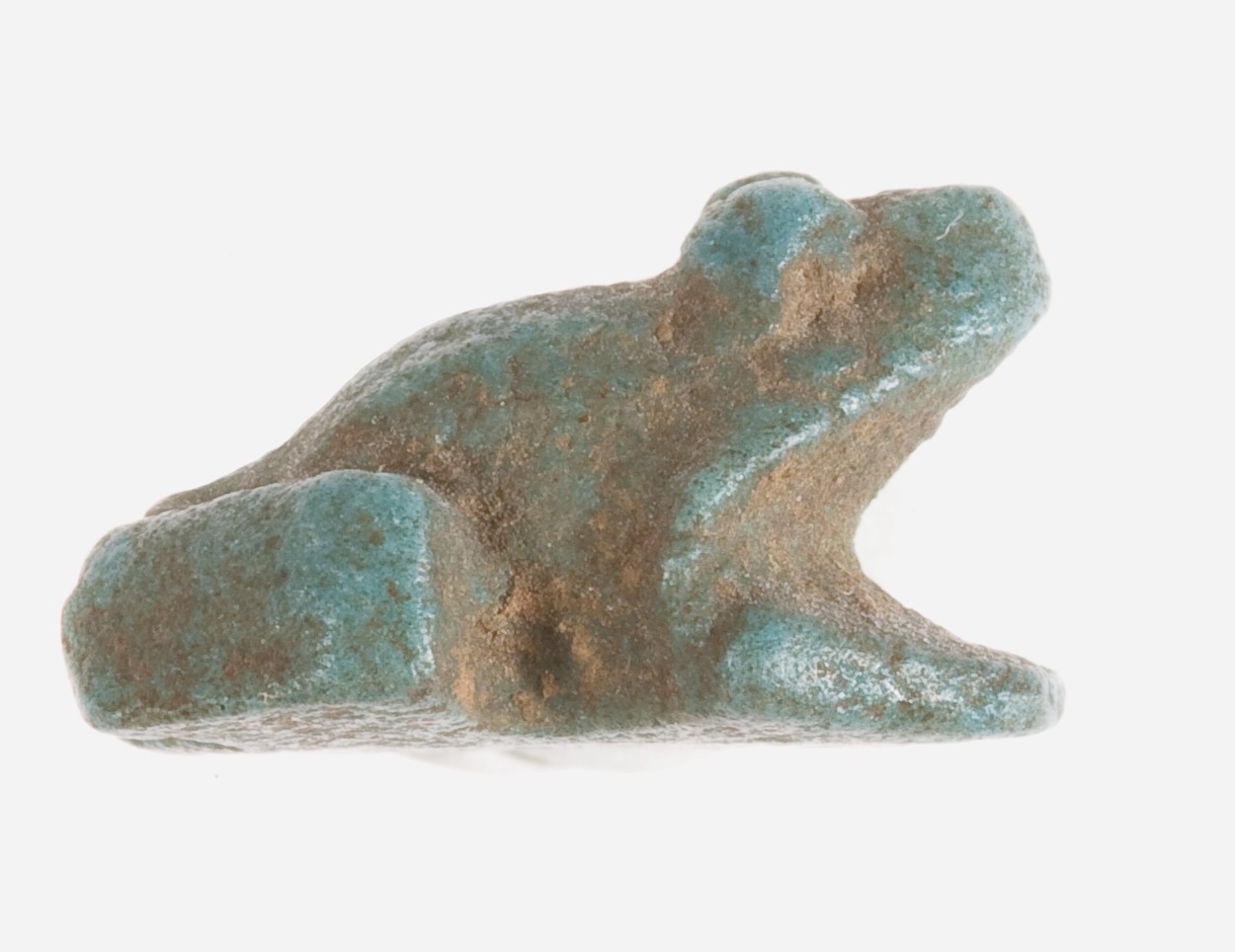
Heritage Analysis: The Faience Frog Amulet of Ancient Civilizations
In the pursuit of curating a luxury narrative that transcends mere aesthetic appeal, Katherine Fashion Lab must look to the profound symbolic reservoirs of ancient heritage. The faience frog amulet, a small yet potent artifact from antiquity, offers a rich tapestry of meaning that can be strategically woven into a 2026 high-end luxury strategy. This analysis deconstructs the amulet’s symbolic power, its role in historical adornment, and its spiritual significance, culminating in a forward-looking framework for brand elevation.
Symbolic Power: Fertility, Regeneration, and Divine Protection
The frog, within the context of ancient civilizations—most notably Predynastic and Pharaonic Egypt, as well as Mesopotamian cultures—was not a creature of mere biological curiosity but a potent symbol of life-giving forces. The amphibian’s lifecycle, emerging from the primordial waters of the Nile during the annual inundation, directly linked it to concepts of fertility, rebirth, and agricultural abundance. The goddess Heket, often depicted with a frog’s head, was the deity of childbirth and midwifery, reinforcing the amulet’s role as a talisman for safe delivery and the perpetuation of lineage.
For a luxury house like Katherine Fashion Lab, this symbolic power translates into a narrative of renewal and enduring vitality. In 2026, as the luxury market pivots toward sustainability and circularity, the frog amulet’s association with regeneration offers a powerful counterpoint to disposability. The amulet’s protective function—warding off evil spirits and ensuring a safe passage into the afterlife—also speaks to the contemporary consumer’s desire for emotional security and spiritual grounding within an increasingly volatile world. The frog, therefore, is not just a motif; it is a signifier of resilience and cyclical prosperity.
Historical Adornment: Faience as a Medium of Prestige
The choice of faience as the medium is critical. This non-clay ceramic, composed of quartz sand and alkaline fluxes, was one of the first synthetic materials crafted by human hands. Its brilliant blue-green glaze—mimicking turquoise and lapis lazuli—was not merely decorative but symbolic of the Nile’s life-giving waters and the sky’s celestial realm. Faience objects, including frog amulets, were not everyday items; they were prestige goods reserved for the elite, the priesthood, and the royal household. They adorned mummies, were placed within tomb wrappings, and were worn as jewelry during life to harness their protective powers.
From a heritage perspective, the faience frog amulet represents the intersection of craftsmanship, material innovation, and social status. For Katherine Fashion Lab, this historical context provides a blueprint for exclusivity and artisanal mastery. The amulet’s small scale belies its immense cultural weight, suggesting that luxury need not be ostentatious to be impactful. In 2026, a high-end strategy could leverage this concept through miniature, highly detailed talismanic jewelry—perhaps in glazed ceramic, enamel, or precious stone inlays—that carries the same weight of meaning as its ancient predecessor. The amulet’s adornment function was both personal and public; it was a visible marker of one’s connection to the divine and to the cosmos.
Spiritual Meaning: The Amulet as a Vessel for the Soul
In ancient belief systems, amulets were not passive ornaments but active agents imbued with magical properties. The frog amulet, often inscribed with spells or placed near the womb of a deceased woman, was believed to animate the soul in the afterlife, ensuring rebirth into the Field of Reeds. This spiritual function elevates the amulet from a decorative object to a ritualistic tool that mediated between the mortal and the eternal. The frog’s association with the primordial chaos—the Nun—from which all life emerged, also ties it to cosmic creation myths.
For a luxury brand, this spiritual dimension offers a profound opportunity to redefine value beyond materialism. The modern luxury consumer, particularly the Gen Z and Millennial segments driving the market in 2026, seeks meaning, authenticity, and metaphysical resonance in their purchases. A frog amulet-inspired collection can be positioned not merely as jewelry but as personal talismans for empowerment and transformation. The spiritual meaning aligns with the growing trend of wellness-focused luxury, where objects are purchased for their ability to enhance mental and emotional well-being. The amulet becomes a symbol of personal rebirth—a narrative that resonates deeply with consumers navigating career changes, personal growth, or societal upheaval.
2026 High-End Luxury Strategy: Heritage as Competitive Advantage
To integrate the faience frog amulet into a 2026 high-end luxury strategy, Katherine Fashion Lab must execute a multi-faceted approach that respects the artifact’s heritage while innovating for the contemporary market.
Product Development: The Talismanic Collection
Launch a limited-edition “Amulet of Renewal” collection featuring frog motifs in high-karat gold, platinum, and enamel. Each piece should be accompanied by a certificate of heritage detailing the amulet’s symbolic history, akin to a wine’s provenance. The collection should include pendants, cufflinks, and brooches that can be worn as daily talismans. The faience glaze can be reinterpreted through vitreous enamel in signature Katherine Fashion Lab hues—deep Nile green and celestial blue.
Narrative Marketing: The Story of Rebirth
Develop a content ecosystem around the amulet’s story. Create a short film or immersive digital experience that traces the frog’s journey from the Nile to the atelier. Partner with Egyptologists and cultural historians to lend academic credibility. The brand’s voice should emphasize timelessness, protection, and personal transformation. Use taglines such as “Wear the Power of Rebirth” or “Your Talisman for a New Era.”
Experiential Retail: The Amulet Ritual
In flagship boutiques, offer a personalized amulet ceremony where clients select a frog amulet piece and receive a bespoke blessing or intention-setting session with a trained brand ambassador. This transforms the purchase into a rite of passage, aligning with the spiritual function of the original artifact. The packaging should evoke the unearthing of a treasure—perhaps a handcrafted wooden box with papyrus lining.
Strategic Collaborations: High-End Artistry
Collaborate with contemporary ceramic artists to create one-of-a-kind faience-inspired sculptures that double as display pieces for the jewelry. This bridges ancient craft with modern art, appealing to collectors and connoisseurs. Additionally, consider a capsule with a luxury wellness brand (e.g., a scented candle or meditation tool) that reinforces the amulet’s spiritual meaning.
Digital Ecosystem: The Blockchain Provenance
For the 2026 tech-savvy consumer, each amulet piece could be registered on a blockchain ledger, verifying its authenticity, heritage sourcing, and limited-edition status. This not only combats counterfeiting but also creates a digital twin that owners can access to learn more about the amulet’s history and care.
Conclusion: The Frog as a Luxury Archetype
The faience frog amulet is far more than a historical curiosity; it is a blueprint for modern luxury that prioritizes meaning over mass appeal. By harnessing its symbolic power, historical adornment role, and spiritual depth, Katherine Fashion Lab can position itself as a steward of heritage while driving a 2026 strategy that resonates with the discerning, values-driven consumer. The frog, once a guardian of the Nile’s cycles, can now become a guardian of the brand’s legacy—a small, potent emblem of rebirth, protection, and enduring prestige.