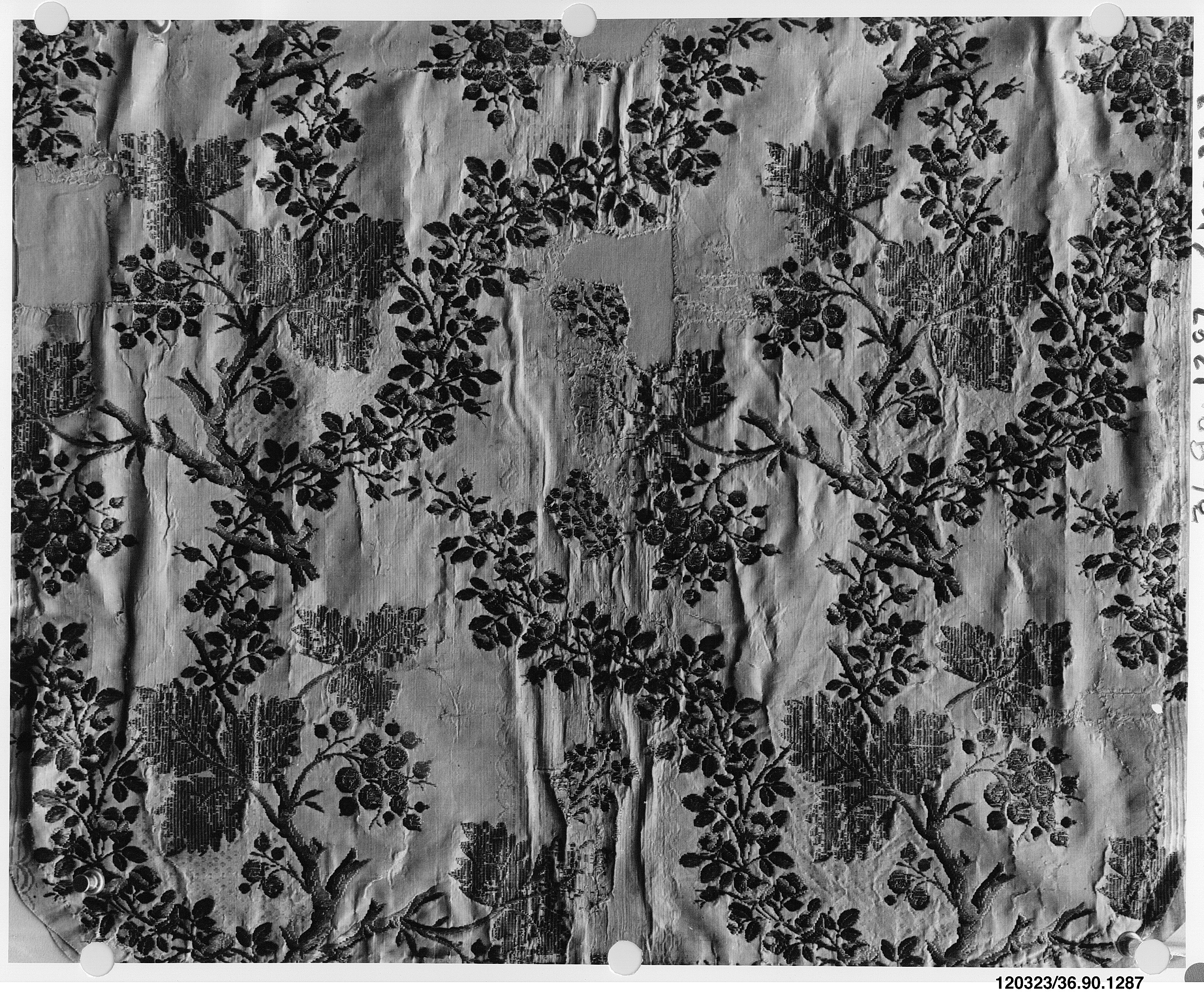
Deconstructing the Couture Piece: A Study in Global Heritage, Silk, and Metal Thread
In the rarefied world of haute couture, a garment transcends its functional purpose to become a narrative artifact—a material dialogue between heritage, craftsmanship, and modernity. At Katherine Fashion Lab, the subject of this standalone study is a singular piece that embodies this ethos: a gown that fuses the ethereal lightness of silk with the structural authority of metal thread, all while drawing from a deep well of global heritage. This analysis dissects the piece’s architectural composition, material symbolism, and cultural resonance, offering a lens through which to understand how couture can serve as a vessel for cross-continental storytelling.
Material Alchemy: Silk and Metal Thread in Dialogue
The gown’s primary materials—silk and metal thread—are not merely decorative; they are protagonists in a narrative of tension and harmony. Silk, sourced from heritage sericulture regions spanning China, India, and Italy, provides a foundation of fluidity and luminosity. Its natural protein fibers catch light with a soft, almost aqueous sheen, evoking the tactile memory of ancient trade routes where silk was once a currency of diplomacy and desire. In contrast, the metal thread—woven from fine-gauge brass and silver alloys—introduces a rigid, reflective counterpoint. This thread is not applied as a surface embellishment but is structurally integrated into the fabric’s warp and weft, creating a textile that is both supple and armorial.
The technical mastery lies in the balance of these opposing forces. Using a modified jacquard loom technique, the silk and metal threads are interlaced at varying densities to produce a gradient effect: the metal becomes denser at the shoulders and hem, forming a protective exoskeleton, while the silk dominates the torso and sleeves, allowing for drape and movement. This deliberate interplay challenges the conventional hierarchy of couture materials—where metal is often relegated to ornament—by elevating it to a structural component. The result is a piece that feels both ancient and futuristic, as if a Byzantine empress’s ceremonial robe had been reimagined for a digital age.
Global Heritage as Design Lexicon
The piece’s design vocabulary is a curated anthology of global heritage motifs, each selected not for exoticism but for their shared resonance across cultures. The silhouette is a hybrid: a floor-length, A-line gown with a raised Mandarin collar, referencing the Qing dynasty’s court attire, yet the sleeves are cut in a bishop style reminiscent of Renaissance Venetian robes. The hemline is embroidered with a geometric pattern inspired by Islamic arabesques, while the back panel features a subtle, repeating motif of the Tree of Life—a symbol found in Persian, Celtic, and Mesoamerican traditions alike.
This syncretism is intentional. Katherine Fashion Lab’s design philosophy rejects the notion of cultural appropriation in favor of cultural convergence. Each motif is researched through primary sources: the arabesque pattern was reconstructed from a 14th-century manuscript in the Topkapi Palace archives; the Tree of Life was hand-embroidered using a technique documented in the Victoria and Albert Museum’s textile collection. The piece does not mimic these traditions but rather translates them into a contemporary, sculptural language. For instance, the arabesque geometry is rendered not in silk thread but in the same metal thread used for the structure, creating a visual pun: heritage patterns are literally woven into the garment’s skeleton.
Structural Analysis: The Architecture of Elegance
From a construction standpoint, the gown is a feat of engineering. The bodice is built on a boned foundation of steel and whalebone, covered by a silk-and-metal shell. The metal thread’s rigidity allows for a self-supporting structure in the shoulders and collar, eliminating the need for external padding or wire. This creates a silhouette that is both imposing and organic—the shoulders flare outward like the wings of a falcon, while the waist cinches through a series of hidden darts that follow the body’s natural contours.
The skirt, by contrast, is a study in controlled volume. Sixteen panels of silk are seamed with metal thread, each panel cut on the bias to allow for a liquid, cascading fall. The metal thread acts as a stabilizing agent, preventing the silk from pooling or wrinkling while maintaining its fluidity. At the hem, the metal thread density increases to form a weighted border, ensuring the gown hangs with a deliberate, statuesque gravity. This interplay of lightness and weight is the piece’s defining technical achievement: it moves like water yet stands like stone.
Symbolic Resonance: Metal as Memory, Silk as Spirit
Beyond its material and structural merits, the piece operates on a symbolic plane. The metal thread, sourced from recycled ecclesiastical artifacts and antique jewelry, carries a history of ritual and reverence. Each strand is a fragment of a past object—a chalice, a rosary, a ceremonial chain—repurposed into a new form. This act of transformation imbues the gown with a sense of material memory, where the metal becomes a conduit for ancestral narratives. The silk, meanwhile, is dyed using natural pigments derived from madder root, indigo, and cochineal—colors that have been used for millennia across Asia, Africa, and the Americas. The gown’s primary hue, a deep, iridescent crimson, references the red of Chinese wedding silks, the Tyrian purple of Roman emperors, and the ochre of Aboriginal body art.
This chromatic layering is not coincidental. The piece is designed to be viewed in motion under natural light, where the metal thread catches the sun and the silk absorbs it, creating a shifting mosaic of color and reflection. The wearer becomes a living canvas, a mobile museum of global heritage. In this sense, the garment is not merely a fashion object but a performative artifact—one that invites the viewer to contemplate the interconnectedness of human creativity across time and geography.
Conclusion: A Standalone Manifesto
As a standalone study, this piece from Katherine Fashion Lab offers a blueprint for how couture can navigate the complexities of globalization without losing its soul. By treating silk and metal thread as equal partners in a material dialogue, and by weaving global heritage into the very fabric of the design, the gown transcends the boundaries of fashion to become a statement on cultural sustainability. It is not a costume or a pastiche but a new archetype—a garment that honors the past while forging a path forward. For the discerning collector or scholar, this piece is more than a dress; it is a thesis on the enduring power of craftsmanship, memory, and the art of making worlds from threads.