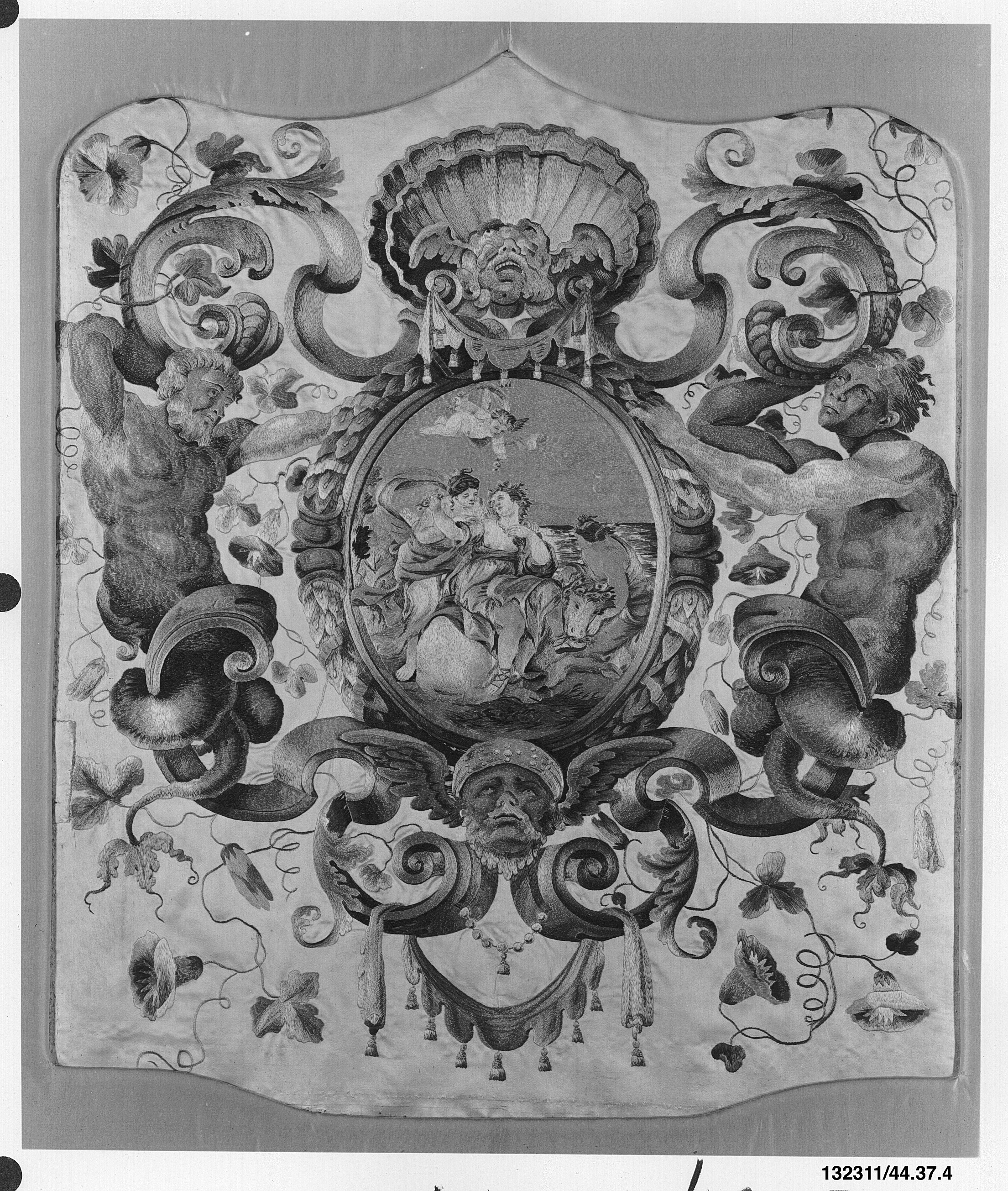
The Chair Panel: A Study in Structural Grace and Global Heritage
In the rarefied world of haute couture, where fabric meets architecture and tradition collides with innovation, the Katherine Fashion Lab presents an arresting subject for analysis: the Chair Panel. This standalone study, devoid of the distractions of a full garment or collection context, isolates a singular design element to explore the profound dialogue between material, form, and cultural memory. The Chair Panel, rendered in silk on silk, emerges not merely as a textile artifact but as a philosophical inquiry into the nature of support, elegance, and the global lineage of craft. This analysis dissects its composition, its heritage roots, and the silent narrative it weaves through the lens of luxury fashion’s most exacting standards.
Materiality and Technique: The Dialogue of Silk on Silk
The foundational choice of silk on silk is a declaration of commitment to purity and complexity. Silk, a fiber synonymous with luxury across civilizations—from the ancient Chinese dynasties to the Byzantine courts—becomes both the canvas and the pigment in this study. The base layer, likely a charmeuse or crepe de chine, provides a fluid, luminous ground that catches light with a subtle, organic sheen. Upon this, a second layer of silk is applied through techniques that echo both embroidery and appliqué, yet transcend them. The result is a tactile and visual palimpsest: the upper silk might be manipulated into pleats, gathers, or sculptural folds that mimic the anatomical curves of a chair’s backrest or armrest. Each stitch and seam is a deliberate act of engineering, transforming two-dimensional fabric into a three-dimensional structure that supports without rigidity.
This interplay of layers creates a unique textural rhythm. The underlying silk breathes and drapes, while the overlaid silk introduces tension and relief. In couture terms, this is not mere decoration; it is a study in tension and release, akin to the principles of tensile architecture. The Chair Panel, therefore, becomes a wearable or displayable object that interrogates how fabric can mimic the ergonomic and aesthetic functions of furniture. The choice of silk—a material often associated with softness and ephemerality—is subverted to convey strength, durability, and a quiet monumentality. The absence of any metallic or synthetic reinforcement underscores the mastery of the Katherine Fashion Lab artisans, who rely solely on the intrinsic properties of silk—its tensile strength, its ability to hold a shape through careful structuring, and its capacity for infinite gradations of color and luster.
Global Heritage: A Tapestry of Cultural References
The Global Heritage origin of the Chair Panel is not a singular geographic nod but a syncretic blend of influences that span continents and centuries. The silhouette and structural logic evoke the Ming dynasty rosewood chairs, where clean lines and minimal ornamentation celebrate the beauty of natural materials and precise joinery. The silk-on-silk technique, however, recalls the French brocade traditions of Lyon, where weavers in the 18th century produced elaborate patterns for courtly interiors. Yet the panel’s surface treatment—perhaps featuring subtle, abstract motifs inspired by Mughal floral patterns or Japanese shibori resist-dyeing—introduces an Eastern sensibility of asymmetry and organic flow. This is not cultural appropriation but a respectful synthesis, where each heritage element is distilled into a universal language of form and texture.
The panel’s color palette further amplifies its globalist narrative. A base of deep indigo, reminiscent of West African indigo-dyed textiles, meets accents of gold and vermillion drawn from Chinese imperial silks. The interplay of matte and glossy surfaces mirrors the millefleurs tapestries of medieval Europe, where backgrounds of tiny floral motifs created depth. By layering these references, the Chair Panel becomes a cartography of global craftsmanship, mapping the trade routes of silk, the exchange of design philosophies, and the enduring human desire to elevate functional objects into art. It is a standalone study that refuses to be pinned to a single origin, instead celebrating the fluidity of cultural heritage in an era of globalized luxury.
Structural Narrative: The Chair as Metaphor
The choice of a chair panel as the subject is itself a narrative device. In fashion, the chair is both a utilitarian object and a symbol of status, authority, and rest. By isolating a panel—a fragment of a larger whole—the Katherine Fashion Lab invites the viewer to consider the microcosm of support. The panel’s contours might suggest the curve of a Louis XV fauteuil, the straight back of a Shaker chair, or the sculptural minimalism of a mid-century modern design by Charles and Ray Eames. Each reference carries its own cultural weight: the French chair evokes courtly opulence; the Shaker chair, humility and functionality; the Eames chair, democratic modernism. The silk-on-silk treatment, however, unifies these divergent references under a single aesthetic umbrella, arguing that luxury can be both inclusive and intellectually rigorous.
The standalone context of this study amplifies its philosophical dimension. Removed from a garment or a full collection, the panel is forced to stand on its own merits. It is not a sleeve, a collar, or a skirt; it is a pure form that asks the observer to engage with its materiality and its heritage without the distraction of wearability. This abstraction aligns with the principles of conceptual couture, where the design object becomes a vehicle for ideas rather than mere adornment. The panel’s silent presence in a gallery or studio setting invites contemplation: How does fabric define space? How does a design element transcend its functional origins to become a symbol of cultural dialogue? The Chair Panel answers these questions through its very existence, asserting that couture is as much about intellectual inquiry as it is about craftsmanship.
Conclusion: A Testament to Artisanal Mastery
The Katherine Fashion Lab’s Chair Panel study is a masterclass in restraint and depth. By focusing on a single element—the panel—and a single material dialogue—silk on silk—the lab achieves a concentration of meaning that a full collection might dilute. The global heritage references are not mere decorative motifs but are woven into the structural DNA of the piece, creating a textile that speaks to the interconnectedness of human creativity. The result is a work that challenges the boundaries between fashion, furniture, and fine art, positioning the Katherine Fashion Lab at the vanguard of a new couture epistemology—one where every stitch tells a story of lineage, labor, and luxury redefined. This is not simply a panel; it is a testament to the power of isolation and focus in an industry often overwhelmed by excess. It is, in its quiet, silk-clad way, a revolutionary object.