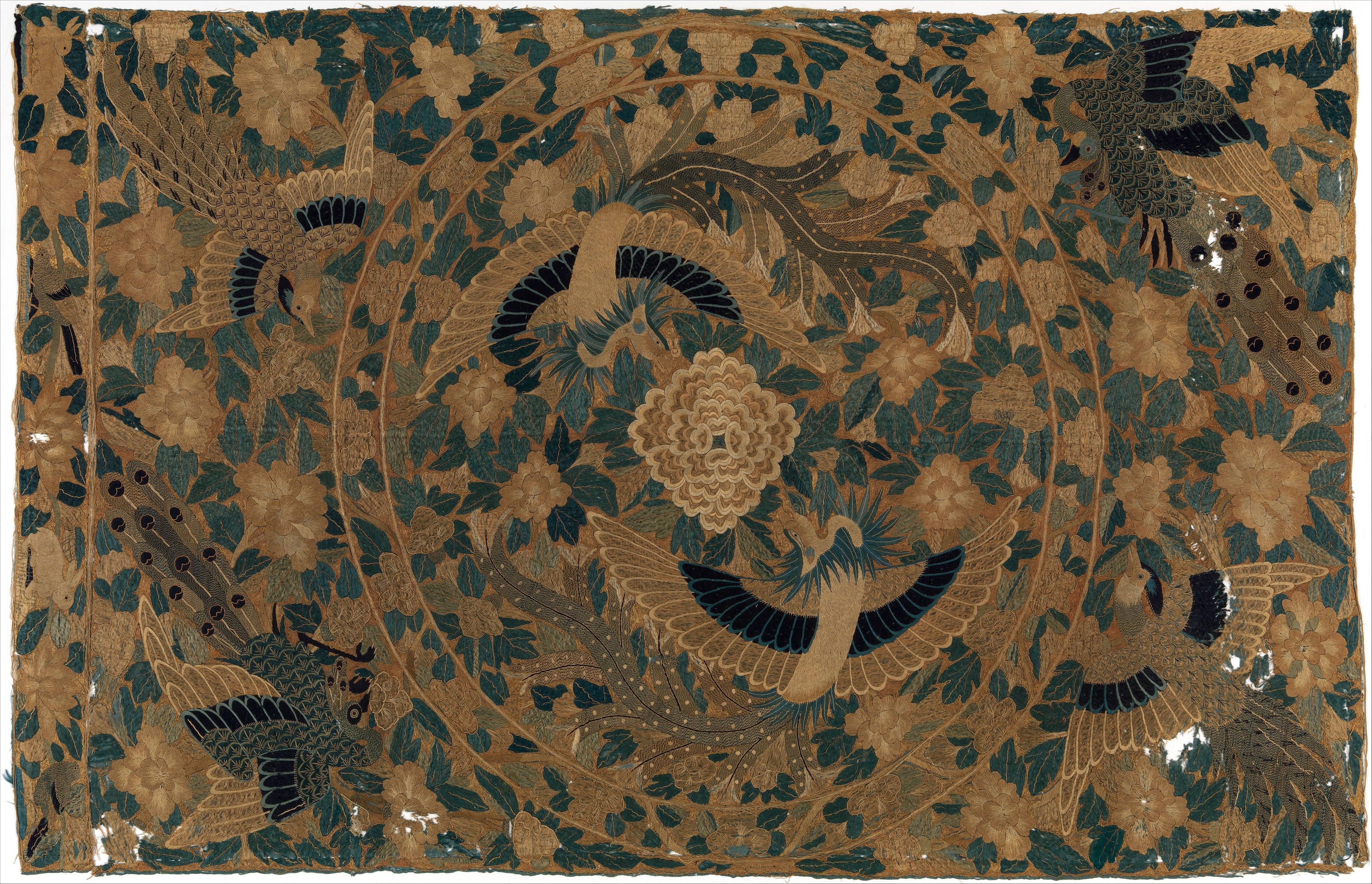
The Vertical Panel: A Study in Architectural Lineage and Global Heritage
In the rarefied atmosphere of haute couture, where fabric becomes philosophy and silhouette speaks in volumes, the vertical panel stands as a testament to the enduring power of structural simplicity. At Katherine Fashion Lab, this elemental form is not merely a design choice—it is a rigorous investigation into the intersection of global heritage, material integrity, and spatial dynamics. This standalone study dissects the vertical panel as a singular subject, exploring its capacity to transcend cultural boundaries while remaining anchored in the disciplined language of couture construction.
Architectural Foundations: The Vertical as a Universal Language
The vertical line is perhaps the most primordial of design gestures. From the fluted columns of ancient Greek temples to the soaring minarets of Islamic architecture, verticality has long symbolized aspiration, order, and the human desire to reach beyond the mundane. In fashion, the vertical panel functions as a wearable column—a direct translation of architectural principles into textile form. Katherine Fashion Lab’s approach elevates this concept by treating the panel not as a mere seam or insert, but as a deliberate, uninterrupted axis that organizes the entire garment’s visual and structural logic.
This study focuses on a single, unadorned vertical panel running the full length of the garment, from shoulder to hem, with no horizontal interruptions. The absence of darting, pleating, or waistline breaks forces the eye to travel along its length, creating a continuous, meditative line. This purity is deceptive; achieving such seamless verticality requires masterful pattern engineering, where fabric grain, body curvature, and gravitational pull are calibrated to perfection. The panel becomes a metaphor for focus—a visual anchor in an era of sensory overload.
Material Dialogues: Silk and Metal Thread
The choice of materials in this study is deliberate and symbolic. Silk, with its luminous, fluid character, embodies the organic, the ephemeral, and the tactile. Metal thread, conversely, introduces rigidity, permanence, and a reflective quality that catches light in sharp, crystalline flashes. Together, they form a dialectic between softness and strength, tradition and modernity.
The silk base is a heavyweight charmeuse, chosen for its ability to hold the panel’s architectural shape without sacrificing drape. Its subtle sheen creates a surface that responds to movement, casting shadows that define the panel’s edges. The metal thread—a fine, flexible alloy of silver and copper—is woven into the panel’s center in a narrow, repetitive geometric pattern reminiscent of ancient brocade techniques. This is not a garish metallic stripe; rather, the thread is integrated at a density that creates a barely perceptible texture, visible only under direct light. The effect is one of quiet opulence, where heritage craftsmanship meets contemporary restraint.
From a global heritage perspective, the combination of silk and metal thread echoes the textile traditions of East Asia, the Middle East, and Renaissance Europe. In Chinese imperial robes, gold-wrapped threads signified divine authority; in Ottoman caftans, silver filaments evoked celestial order; in Italian Renaissance velvet, metallic threads celebrated mercantile wealth. Katherine Fashion Lab’s study distills these cultural references into a single, unbroken vertical line, stripping away iconography to reveal the shared human impulse toward ornamentation and structure.
Global Heritage as Design DNA
The vertical panel, in this context, is not a neutral form. It carries the weight of history—of saris draped in continuous folds, of kimono sleeves falling in unbroken lines, of the saya skirts of Andean textiles. Each culture has interpreted verticality through its own lens of material availability, climate, and ritual significance. This study honors that multiplicity by refusing to assign a single origin. Instead, it presents the vertical panel as a universal archetype, reimagined through the lens of modern couture.
The panel’s width is calibrated to echo the proportions of the human torso, creating a visual rhythm that references the qipao’s side slits and the Greek chiton’s pinned folds. Yet, it remains abstract—a pure form that invites the wearer to project their own cultural associations. The metal thread’s pattern, while geometric, is intentionally ambivalent: it could be read as Islamic star motifs, Celtic knotwork, or Aztec stepped frets. This ambiguity is a deliberate strategy, positioning the garment as a vessel for global dialogue rather than a statement of specific identity.
Standalone Study: The Panel as a Singular Object
To isolate the vertical panel as a standalone study is to remove it from the distractions of context—no sleeves, no collar, no embellishment beyond the metal thread. The garment is a simple column dress, cut on the bias to allow the panel to follow the body’s natural asymmetries. The back is unadorned, emphasizing the front panel as the sole focal point. This restraint forces the viewer to confront the panel’s essence: its relationship to gravity, its interaction with light, its role in defining the silhouette.
In terms of construction, the panel is not a separate piece but an integral part of the garment’s front, created by weaving the metal thread directly into the silk during the fabric’s production. This technique, known as lampas weaving, is a heritage process requiring precise tension control. The result is a panel that is structurally continuous with the silk, eliminating seams that would break the vertical flow. The hem is weighted with a thin chain, ensuring the panel falls with a clean, unwavering line even in motion.
Conclusion: The Vertical Panel as a Couture Statement
This standalone study reaffirms that in couture, the simplest forms often demand the most complex thinking. The vertical panel, when executed with silk and metal thread, becomes a meditation on heritage, materiality, and the human desire for order. It is not a garment for the timid; it is a declaration of intent, a wearable philosophy that respects the past while carving a path forward.
Katherine Fashion Lab’s analysis demonstrates that the vertical panel is far more than a design element—it is a cultural artifact, a structural marvel, and a canvas for global storytelling. In an industry often consumed by excess, this study reminds us that true luxury lies in the discipline of a single, perfect line. The vertical panel stands, literally and metaphorically, as a testament to the enduring power of simplicity, elevated by the hands of heritage and the vision of the future.