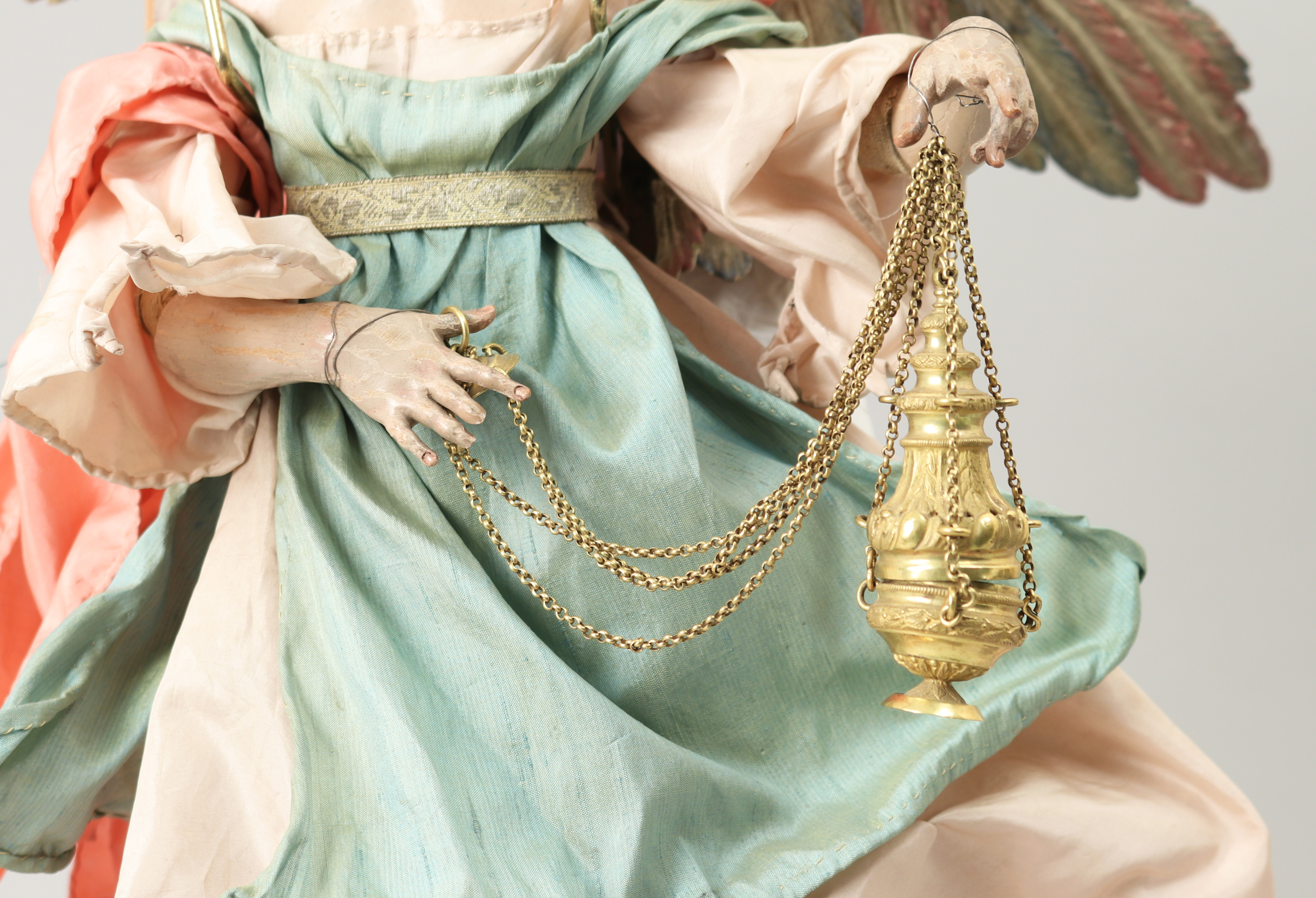
Heritage Analysis: The Brass Censer as a Symbolic Artefact and Luxury Strategy Catalyst
In the study of ancient material culture, few objects possess the layered symbolic resonance of the brass censer. Originating from diverse ancient civilizations—including the Egyptian, Mesopotamian, and Indus Valley traditions—the censer served as a vessel for sacred smoke, a bridge between the terrestrial and the divine. For Katherine Fashion Lab, this heritage object offers a profound opportunity to reimagine luxury not merely as adornment, but as ritualistic, sensory, and spiritually charged experience. This analysis examines the censer’s symbolic power, historical adornment, spiritual meaning, and proposes a strategic framework for its integration into a 2026 high-end luxury strategy.
Symbolic Power: The Censer as a Conduit of Authority and Transformation
The brass censer, in its ancient context, was never a passive object. It was an instrument of transformation—a vessel that turned raw incense into ascending smoke, symbolizing prayers, purification, and the presence of the divine. In ancient Egyptian rituals, the censer was wielded by priests to honor gods such as Ra and Isis, its smoke believed to carry human petitions to the heavens. The material itself—brass—was highly significant. An alloy of copper and tin, brass was associated with permanence, strength, and a metallic luster that mirrored the sun’s radiance. This made it a fitting medium for objects of sacred and royal use.
From a symbolic power perspective, the censer embodies hierarchical authority. In Mesopotamian ziggurats and Indus Valley temple complexes, only the elite—priests, kings, or high-ranking officials—were permitted to handle the censer. Its presence signaled a threshold between the profane and the sacred. For Katherine Fashion Lab, this translates into a design language that elevates the wearer or user into a position of curated authority. A censer-inspired accessory—whether a pendant, a belt buckle, or a handheld ritual object—can function as a signifier of distinction, invoking the same hierarchical reverence that ancient civilizations accorded to their most sacred implements.
Historical Adornment: Brass as a Medium of Durability and Aesthetic Prestige
Historically, brass was not merely a functional metal; it was a medium of adornment that conveyed prestige. In ancient Rome, brass (orichalcum) was prized for its golden hue and used for coins, armor, and ceremonial vessels. The censer, often intricately cast or engraved with geometric patterns, floral motifs, or divine iconography, was a showcase of craftsmanship. Its weight, resonance, and patina over time contributed to its aesthetic value. The act of swinging the censer during rituals produced a rhythmic, visual poetry—the smoke curling, the metal catching light—that engaged multiple senses.
For Katherine Fashion Lab, the historical adornment of the censer offers a template for heirloom-quality design. The patina of aged brass, for instance, can be intentionally cultivated as a mark of authenticity and time. This aligns with the 2026 luxury trend toward tactile, imperfect, and storied materials. A contemporary censer-inspired piece might feature hand-hammered surfaces, engraved narratives, or modular components that allow the user to interact with the object—adding incense, adjusting chains, or carrying it as a personal talisman. Such designs move beyond static adornment into interactive luxury, where the object’s value deepens through use and ritual.
Spiritual Meaning: The Censer as a Vessel for Transcendence and Mindfulness
The spiritual dimension of the censer is perhaps its most potent attribute. In ancient traditions, the censer was not merely a tool; it was a sacred technology for altering consciousness. The smoke from burning frankincense, myrrh, or sandalwood was believed to purify spaces, ward off malevolent spirits, and induce meditative states. In Hindu and Buddhist practices, the censer remains central to puja and meditation, its smoke symbolizing the impermanence of life and the ascent of the soul.
This spiritual meaning resonates deeply with contemporary luxury consumers who seek meaning, mindfulness, and ritual in their possessions. The 2026 luxury landscape is increasingly defined by experiential and wellness-oriented products. A censer-inspired collection from Katherine Fashion Lab can be positioned as a portal to inner peace—a tangible object that facilitates daily rituals of grounding, reflection, or intention-setting. The choice of brass, with its warm, resonant tones, enhances this sensory experience. The object becomes a companion for the soul, not merely a decorative piece.
Moreover, the censer’s spiritual symbolism offers a counter-narrative to the fast-paced, digital-first culture of modern luxury. By referencing ancient practices of patience, reverence, and presence, Katherine Fashion Lab can position its brand as a steward of slow luxury—a philosophy that values depth over speed, and spiritual connection over conspicuous consumption.
2026 High-End Luxury Strategy: From Artefact to Branded Experience
To translate the censer’s heritage into a viable luxury strategy for 2026, Katherine Fashion Lab must adopt a multi-dimensional approach that integrates design, narrative, and experiential marketing.
Product Design: The Censer as a Modular Ritual Object
Develop a limited-edition brass censer-inspired accessory line that functions as both adornment and ritual tool. Examples include a wearable censer pendant with a small incense compartment, a tabletop censer designed for personal meditation, and a sculptural censer ring that releases a subtle fragrance when warmed by body heat. Each piece should be handcrafted, numbered, and accompanied by a ritual guide that contextualizes its ancient origins and suggests contemporary uses.
Narrative and Brand Identity: The Censer as a Heritage Signature
Position the censer as a signature motif for Katherine Fashion Lab’s 2026 collection, analogous to how a house emblem or crest functions for heritage brands. Develop a brand story that emphasizes the censer’s journey from ancient temple to modern atelier. Use visual and textual content—lookbooks, short films, editorial essays—to convey the themes of transformation, purity, and spiritual authority. The narrative should be grounded in scholarly research, referencing specific ancient civilizations and their ritual practices, to lend authenticity and depth.
Experiential Retail: The Censer as a Sensory Gateway
In flagship stores and pop-up installations, create immersive censer rituals that engage all five senses. Guests can participate in a guided incense ceremony, observe the craftsmanship of brass casting, or receive a personalized censer blessing. This transforms the retail environment into a sacred space, aligning with the growing consumer desire for transformative, memorable experiences. The censer becomes a bridge between the brand and the consumer’s inner life.
Strategic Partnerships: Aligning with Wellness and Artisanal Movements
Collaborate with contemporary incense makers, artisanal metalworkers, and wellness practitioners to co-create content and products. For example, a limited-edition incense blend inspired by ancient Egyptian kyphi or Mesopotamian cedar can accompany each censer piece. Partner with meditation apps or luxury retreats to offer censer-based mindfulness sessions. These alliances reinforce the brand’s commitment to holistic luxury and cultural stewardship.
Pricing and Exclusivity: The Censer as an Investment Piece
Position censer-inspired items at the highest tier of the product range, with prices reflecting the artisanal labor, historical research, and ritual significance. Limited production runs, numbered certifications, and archival packaging elevate the object to collectible status. The censer is not a trend; it is a timeless artefact that appreciates in value and meaning over time.
Conclusion: The Censer as a Strategic Heritage Asset
The brass censer, rooted in the spiritual and symbolic practices of ancient civilizations, offers Katherine Fashion Lab a powerful lens through which to reimagine luxury as ritualistic, sensory, and transcendent. Its symbolic power as a conduit of authority, its historical role as a medium of adornment, and its spiritual meaning as a vessel for mindfulness converge to create a design philosophy that is both ancient and profoundly contemporary. By integrating the censer into a 2026 luxury strategy that emphasizes craftsmanship, narrative, and experiential engagement, Katherine Fashion Lab can differentiate itself in a crowded market, appealing to discerning consumers who seek not just products, but objects of meaning and transformation. The censer, in this context, is not merely a heritage reference—it is a strategic asset for building a legacy of elevated, soulful luxury.