Fragments of the Sacred: A Heritage Analysis for Katherine Fashion Lab
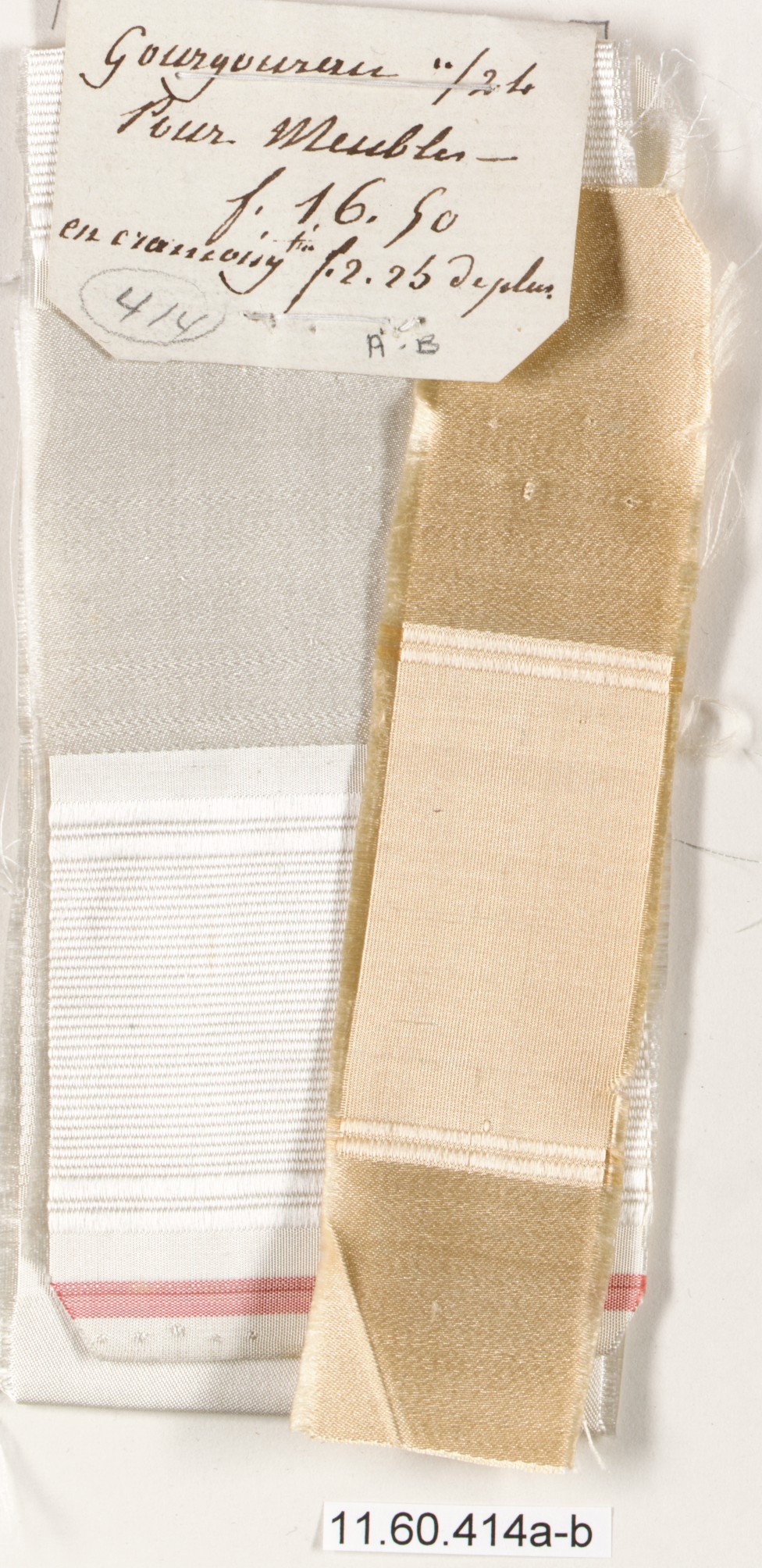
In the realm of high-end luxury, where narrative and materiality converge, the concept of Fragments offers a profound departure from the pursuit of pristine perfection. For Katherine Fashion Lab, the strategic deployment of ancient silk fragments—recovered from the spiritual and ceremonial contexts of lost civilizations—represents not merely a textile choice, but a reclamation of symbolic power. This analysis examines the historical adornment and spiritual meanings embedded within these silk remnants and proposes a 2026 luxury strategy that leverages their fragmented state as a marker of authenticity, transcendence, and exclusivity.
Symbolic Power in the Fragment: The Incomplete as the Divine
Ancient civilizations, from the Han Dynasty to the Greco-Buddhist kingdoms of the Silk Road, understood that the fragment held a power distinct from the whole. In Daoist and early Buddhist iconography, the broken object was not a symbol of loss but of transformation. A torn silk banner, once used in temple rites, was believed to carry the residual energy—the qi or spiritual essence—of the ritual itself. The fragment becomes a vessel for concentrated meaning: it is the part that contains the memory of the whole, a synecdoche for a lost cosmology.
For Katherine Fashion Lab, this symbolic power can be strategically harnessed. In a 2026 market saturated with digitally perfect, mass-produced luxury, the authentic fragment offers a counter-narrative. It signals rarity, not through flawless construction, but through historical rupture. The frayed edge of a 2,000-year-old silk piece is not a flaw; it is a signature of time. This repositioning aligns with the luxury consumer’s growing desire for objects with provenance and patina—items that tell a story of survival, pilgrimage, and sacred use. By incorporating these fragments into modern silhouettes, Katherine Fashion Lab can claim a unique symbolic territory: the luxury of the sacred incomplete.
Historical Adornment: Silk as a Medium for the Soul
Historically, silk was never merely a fabric in ancient civilizations; it was a medium for spiritual communication. In the Han dynasty (206 BCE–220 CE), silk was used to create feiyi (flying garments) for shamans and royalty, believed to facilitate the soul’s journey between the earthly and celestial realms. In the Sogdian and later Tang cultures, silk fragments were sewn into prayer flags, burial shrouds, and temple hangings, each thread a prayer, each weave a map of cosmic order.
The medium of silk itself is crucial to this heritage analysis. Its natural protein structure, its ability to absorb and reflect light differently than any other fiber, and its historical association with the silk moth’s metamorphosis—from caterpillar to cocoon to moth—make it a powerful metaphor for spiritual transformation. When Katherine Fashion Lab uses ancient silk fragments, it is not just using a material; it is invoking an entire history of adornment as a bridge between the mortal and the divine.
In the context of 2026 high-end luxury, this historical dimension offers a rich narrative for product development. Consider a collection where each garment features a single, authenticated silk fragment—perhaps from a Loulan kingdom burial shroud—integrated into a modern, minimalist gown. The fragment is not hidden; it is honored as the central motif, framed by contemporary tailoring. This is historical adornment elevated to a curatorial act, where the wearer becomes a steward of sacred history.
Spiritual Meaning: The Fragment as a Talisman
Across ancient cultures, fragments of sacred textiles were often carried as talismans or amulets. In the Byzantine Empire, small pieces of silk from the Shroud of Edessa were distributed as brandea—contact relics believed to channel the power of the original object. Similarly, in Buddhist traditions, fragments of a monk’s robe (kasaya) were sewn into amulet bags, offering protection and spiritual merit to the bearer.
This talismanic quality is the most potent spiritual meaning Katherine Fashion Lab can leverage. In a 2026 world marked by digital fragmentation and existential uncertainty, the luxury consumer increasingly seeks objects that provide a sense of grounding and protection. A silk fragment from an ancient civilization can be positioned not just as a fashion item, but as a personal relic—a tangible connection to ancestors, to lost wisdom, and to a slower, more intentional time.
The strategic implication is clear: Katherine Fashion Lab should develop a “Relic Collection” where each piece is accompanied by a scholarly dossier—provenance, carbon dating, cultural context—and a ritualized presentation. The fragment is not sold as a commodity but entrusted to the client, much like a museum loans a precious artifact. This elevates the transaction to a spiritual exchange, aligning with the luxury sector’s shift toward experiential and meaningful ownership.
2026 High-End Luxury Strategy: The Economics of Scarcity and Story
To operationalize this heritage analysis, Katherine Fashion Lab must adopt a strategy built on three pillars: Authenticated Scarcity, Curatorial Narrative, and Transformative Craftsmanship.
Authenticated Scarcity
The supply of ancient silk fragments is inherently finite. Unlike modern fabrics, these pieces cannot be replicated. Katherine Fashion Lab should partner with leading archaeological institutes and private collectors to secure exclusive rights to a limited number of fragments. Each fragment must be scientifically authenticated (via radiocarbon dating and spectral analysis) and digitally registered on a blockchain ledger to ensure provenance and prevent forgery. This creates a closed-loop system of extreme scarcity, where no more than 50 to 100 pieces per year enter the market. Price points should reflect this rarity: a single fragment integrated into a couture piece could command a starting price of $50,000 to $150,000.
Curatorial Narrative
Luxury in 2026 is increasingly about education and immersion. Katherine Fashion Lab should launch a “Heritage Salon” program—invitation-only events held in museum-like settings where clients learn about the fragment’s origin, its spiritual significance, and the technique used to preserve it. The narrative must be precise: not “old silk,” but “a fragment from a 4th-century BCE Scythian burial mound, used to wrap a ceremonial bow.” This narrative adds layers of meaning that justify the price and create emotional attachment.
Transformative Craftsmanship
The fragment must be treated with the reverence it deserves. Katherine Fashion Lab should collaborate with master conservators and textile artists to develop techniques that stabilize the fragment without altering its appearance. The fragment can then be encased in a transparent, protective resin or hand-stitched onto a contemporary silk base using invisible thread. The final garment must feel like a museum piece—wearable, yet sacred. This craftsmanship should be documented in a short film or booklet, further reinforcing the brand’s commitment to heritage and artistry.
Conclusion: The Fragment as a Luxury Imperative
The ancient silk fragment is not a relic of the past; it is a strategic asset for the future of luxury. For Katherine Fashion Lab, embracing the fragment means rejecting the tyranny of the whole and celebrating the power of the incomplete. It is a declaration that true luxury lies not in perfection, but in meaning. By weaving together symbolic power, historical adornment, spiritual meaning, and a rigorous 2026 strategy, Katherine Fashion Lab can position itself at the vanguard of a new luxury paradigm—one where heritage is not merely referenced, but physically embodied in every thread. The fragment, in its sacred brokenness, becomes the most complete expression of luxury the world has yet to see.