Heritage Analysis: The Ivory Monkey Furniture Element from the Old Assyrian Trading Colony
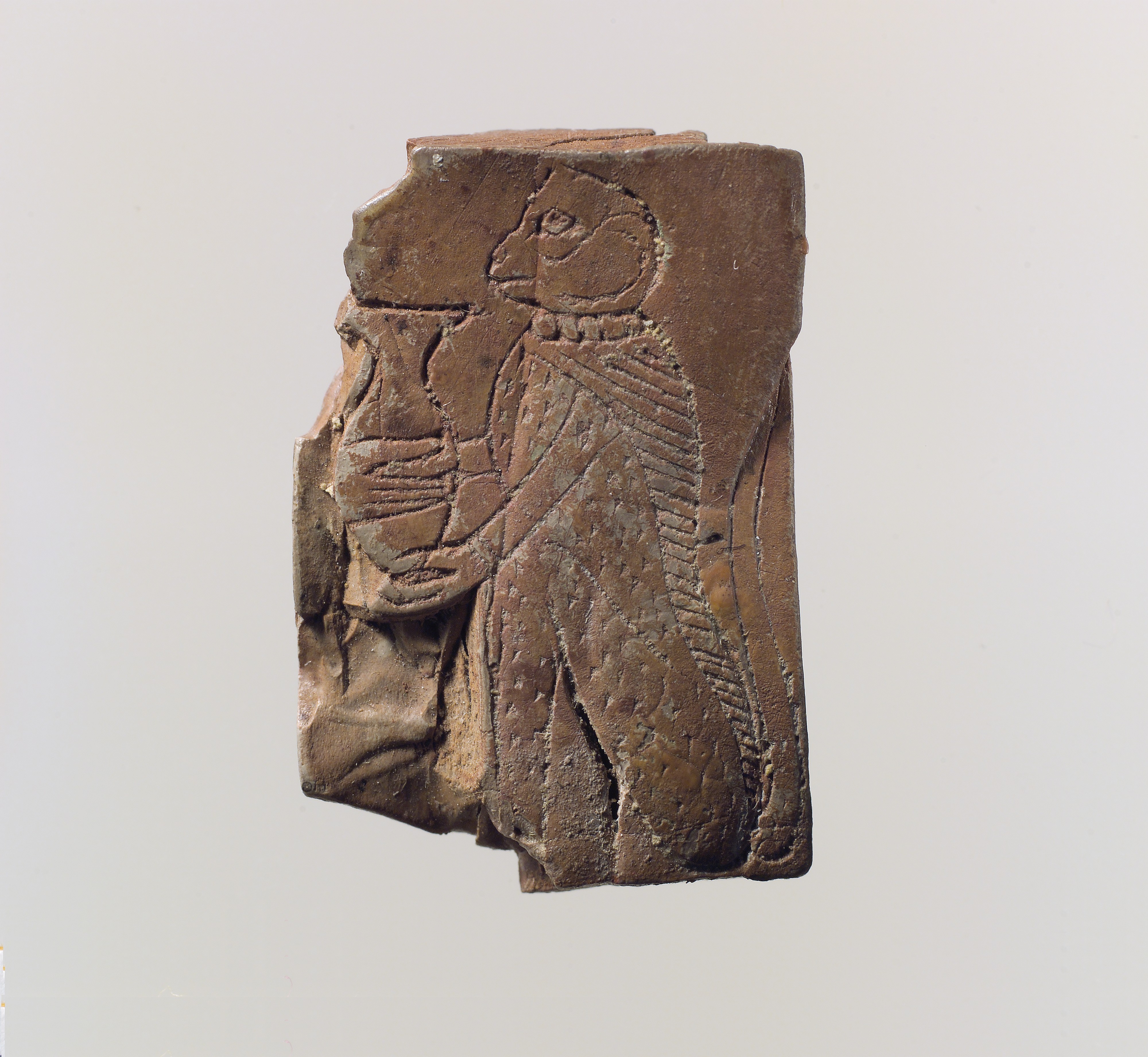
This paper presents a strategic heritage analysis of a carved ivory furniture element depicting a monkey, originating from the Old Assyrian Trading Colony period (circa 2000–1700 BCE). The artifact, rendered in elephant or hippopotamus ivory, represents a singular intersection of symbolic power, historical adornment, and spiritual meaning. For Katherine Fashion Lab, this object offers a profound blueprint for a 2026 high-end luxury strategy rooted in narrative depth, cross-cultural resonance, and material authenticity.
Historical and Cultural Provenance
The Old Assyrian Trading Colony system, centered at Kültepe (ancient Kanesh) in Anatolia, was a sophisticated network of commercial outposts where Assyrian merchants exchanged textiles, tin, and luxury goods with local Anatolian elites. Ivory carving, a craft imported from the Levant and Egypt, was a marker of extreme wealth and global connectivity. Furniture elements—inlays, finials, and appliqués—were commissioned for elite households and temples. The monkey motif, though rare, appears in Near Eastern and Egyptian iconography as a symbol of exoticism, fertility, and divine mediation. This specific piece likely adorned a throne, bed, or ceremonial chest, signifying the owner’s access to rare materials, distant trade routes, and esoteric knowledge.
Symbolic Power and Social Hierarchy
In the Old Assyrian context, the monkey embodied a duality of power. On one level, it represented the exotic “other”—a creature imported from distant lands (possibly the Indus Valley or East Africa), thus signaling the owner’s global reach and control over trade networks. On a deeper level, the monkey was associated with the god Thoth in Egyptian tradition, a deity of wisdom, writing, and lunar cycles. In Assyrian colonies, where scribes and merchants operated under divine protection, the monkey became a talisman for intellectual authority and commercial acumen. The furniture element’s placement—elevated, carved with meticulous detail—transformed a functional object into a statement of hierarchical dominance. For Katherine Fashion Lab, this suggests that luxury in 2026 must move beyond aesthetic beauty to encode social narratives of access, intelligence, and global fluency.
Historical Adornment and Materiality
Ivory, as a medium, was prized for its luminosity, durability, and capacity for fine detail. The carving technique—likely using flint or bronze tools—produced a tactile surface that invited touch and close inspection. The monkey’s pose (typically seated, holding a fruit or symbol) would have been accentuated with inlaid lapis lazuli, carnelian, or gold leaf, creating a polychrome effect against the ivory’s cream base. This integration of materials—precious stones, metal, and organic ivory—mirrors contemporary high-end jewelry and accessory design. For Katherine Fashion Lab, the lesson is clear: adornment is not merely decorative but a strategic layering of materials that tells a story of craftsmanship, rarity, and cross-cultural exchange. In 2026, luxury brands must champion material honesty—ivory’s ethical alternatives, such as tagua nut or recycled bone—while preserving the tactile and visual richness that defined ancient masterpieces.
Spiritual Meaning and Ritual Function
The monkey held a liminal spiritual role in Old Assyrian colonies. It was believed to mediate between the human and divine realms, often depicted in scenes of offerings or as a companion to deities. In Anatolian Hittite and local traditions, monkeys were linked to healing rituals and protective magic. The furniture element, therefore, was not merely decorative but an active spiritual agent within the household—guarding the owner, ensuring prosperity, and facilitating communication with ancestors or gods. This sacral dimension transforms the object from commodity to icon. For a 2026 luxury strategy, Katherine Fashion Lab can leverage this concept by embedding ritualistic meaning into product design—creating pieces that serve as personal amulets, heirlooms, or meditation aids. The monkey motif, reinterpreted as a symbol of wisdom, adaptability, and protection, can resonate with modern consumers seeking authenticity and spiritual grounding in an era of digital saturation.
Strategic Implications for 2026 High-End Luxury
The Old Assyrian ivory monkey offers a three-pillar strategy for Katherine Fashion Lab’s 2026 collections:
1. Narrative Sovereignty: Every luxury object must tell a multi-layered story. The monkey’s symbolism—exoticism, intellect, protection—can be translated into a collection that references ancient trade routes, global connectivity, and the power of knowledge. Marketing campaigns should emphasize provenance, craftsmanship, and the spiritual journey of materials.
2. Material Ethics and Innovation: As ivory is now prohibited in ethical luxury, Katherine Fashion Lab can pioneer alternative materials that mimic ivory’s luster and tactility—such as bio-resin composites, sustainably harvested tagua nut, or lab-grown bone. This positions the brand as a leader in responsible luxury while honoring the original medium’s essence.
3. Ritualized Consumer Experience: High-end consumers in 2026 seek more than products; they seek rituals. Katherine Fashion Lab can launch a “Monkey Amulet” line—pendants, brooches, or small furniture inlays—accompanied by a digital or physical narrative of protection and wisdom. Limited-edition pieces could include a certificate of heritage mapping, linking each item to a specific ancient trade route or spiritual tradition.
Conclusion: The Monkey as a Luxury Archetype
The ivory monkey furniture element from the Old Assyrian Trading Colony is a masterclass in symbolic power, historical adornment, and spiritual meaning. It demonstrates that luxury, at its core, is about encoding status, access, and transcendence into material form. For Katherine Fashion Lab, this artifact provides a strategic template for 2026: luxury must be narrative-driven, ethically grounded, and spiritually resonant. By reimagining the monkey as a contemporary icon of wisdom, globalism, and protection, the brand can capture the imagination of discerning consumers who value depth over ostentation. The result is not a reproduction of the past, but a reinvention of its most potent symbols for a new era of conscious luxury.