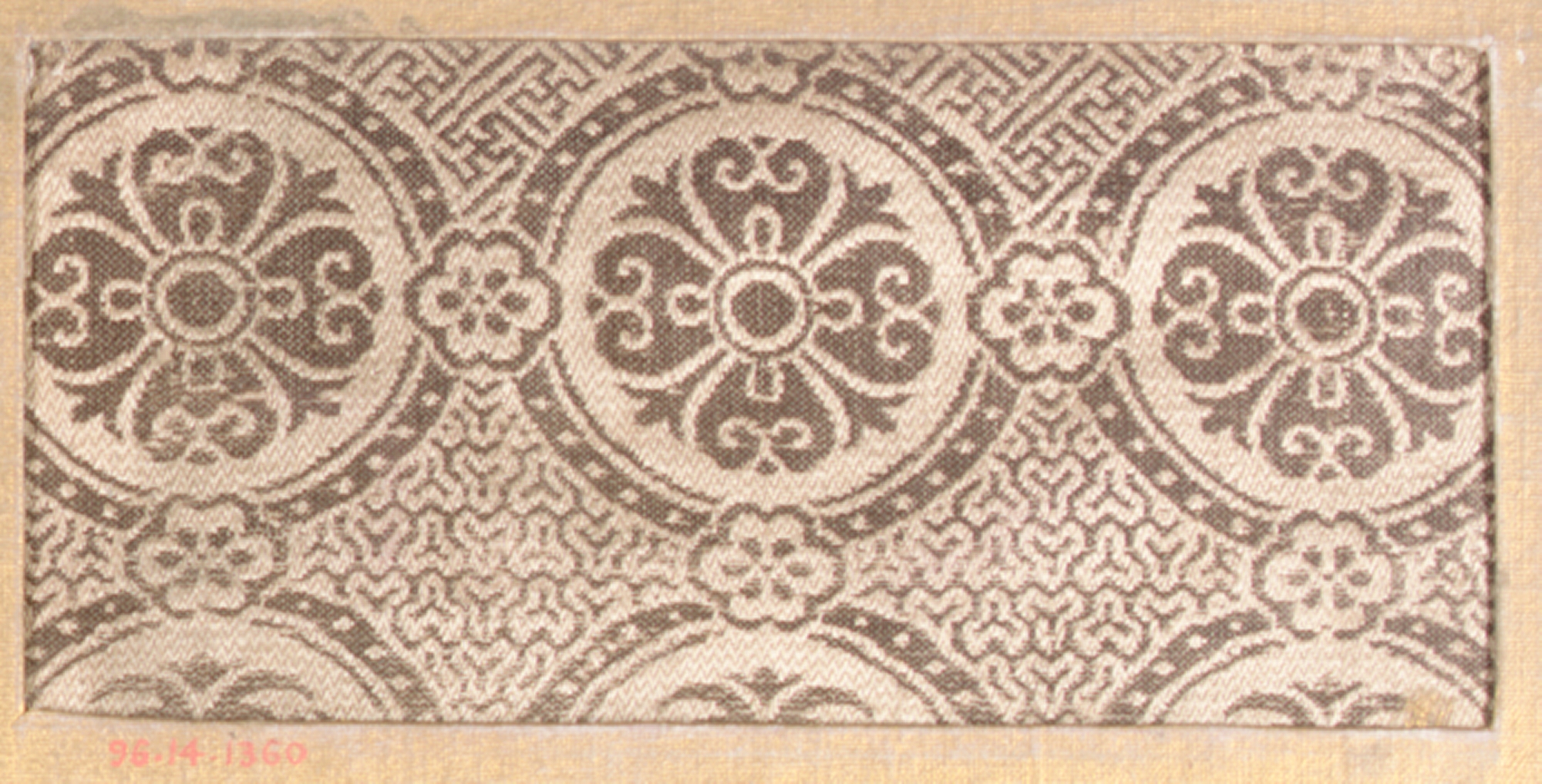
Deconstructing the Chrysalis: A Standalone Study of Japanese Silk in Couture
Within the rarefied atmosphere of haute couture, the garment exists not merely as an object of wear but as a autonomous thesis—a concentrated argument on material, form, and cultural memory. This analysis from Katherine Fashion Lab examines such a thesis: a standalone piece of Japanese silk, untethered from seasonal collection narratives or thematic runway spectacles. Isolated for study, this artifact becomes a profound dialogue between the inherent intelligence of its material and the philosophical rigor of its construction, offering a masterclass in the economy of meaning achieved through supreme technical and artistic focus.
The Material as Manuscript: Silk’s Narrative Imperative
The analysis begins not with a sketch, but with the fiber. The specified material—Japanese silk—is not a neutral substrate but a pre-loaded cultural and tactile text. Renowned for its exceptional quality, from the cultivation of the silkworms to the meticulous dyeing processes, Japanese silk (such as habutai, chirimen crepe, or the illustrious nishijin-ori brocade) carries a legacy of precision and symbolic depth. In a standalone couture context, this legacy is neither merely referenced nor appropriated; it is engaged as a co-author. The silk arrives in the atelier with intrinsic properties: a specific weight, a particular luminosity, a memory that holds folds, a sound (shwish) as it moves. The couturier’s first act is to listen. The subsequent construction becomes a response to the material’s own narrative imperative—its desire to fall, to cling, to stand away from the body, or to flow like ink.
This dialogue rejects the Western-centric couture tradition of imposing form upon passive fabric. Instead, it aligns with the Japanese aesthetic principle of mottainai—a profound respect for resources and an aversion to waste. Every cut is considered in relation to the fabric’s grain, its pattern, and its life. The silk’s behavior dictates the architecture. A stiff omeshi silk might suggest structured, origami-like planes, while a fluid ro gauze would demand a study in controlled ephemerality. The material, therefore, establishes the core research question for the piece: how can construction elucidate, rather than obscure, the soul of the silk?
Architectural Philosophy: Ma, Katachi, and the Body’s Absence
As a standalone study, this piece operates in a critical space: it is designed for a body, yet analyzed in its absence. This paradox focuses attention on its internal architecture and its relationship to the concept of ma (間), the purposeful and aesthetic use of negative space. In couture terms, ma is not merely the empty air around the garment, but the strategic voids between the garment and the skin, the gaps within drapery, the openings that invite light and shadow to participate in the form. The construction likely employs techniques that create these spaces—layering, strategic tucking, or armatures that hold fabric away from the hypothetical form.
Furthermore, the piece explores katachi (形), meaning form or shape, but with connotations of ideal, underlying structure. The silhouette, while potentially informed by the human figure, is elevated to a pure, sculptural katachi. This might manifest in several ways: a deconstructed kimono sleeve that exaggerates the line of the furisode into an abstract wing; a bodice that translates the obi’s rigid geometry into a spiraling, self-supporting corset; or a skirt that captures the cascading fall of a kakegori waterfall in frozen, silk layers. The seams, often hidden in Western couture as a mark of perfection, might be brought forward as topographical lines, echoing the shibori binding threads or the seams of traditional kosode, celebrating construction as a visible, intellectual map.
The Surface as Depth: Embellishment as Micro-Construction
On this Japanese silk canvas, any surface embellishment is never mere decoration; it is micro-construction, an intensification of the material’s narrative. A standalone piece demands that every gesture carries maximal conceptual weight. Embroidery does not follow a floral motif for mere beauty; it might replicate the kumihimo braiding structure in thread, creating a textured, coded language. Sashiko stitching, historically functional reinforcement, is elevated to a graphic, rhythmic textural pattern that plays with light absorption and reflection.
Perhaps the most profound integration comes through shibori or katazome (stencil dyeing). Here, the pattern is not applied to the surface but born from within the fiber’s memory. In a couture context, these techniques are pushed to their experimental limits. Shibori resist-binding could be used not to create all-over patterns, but to pre-structure areas of the silk to react differently to tension and drape, engineering texture and form simultaneously. The dye itself becomes part of the structural conversation—a gradient (bokashi) might visually dissolve the garment’s hem into nothingness, reinforcing its conceptual fragility. Each touch on the surface is a deliberate, labor-intensive act that deepens the dialogue between the two-dimensional fabric and the three-dimensional form it is destined to become.
Conclusion: The Standalone Piece as a Complete Universe
This standalone study of a Japanese silk couture piece ultimately reveals that the most radical couture statement can be one of profound focus and respect. It demonstrates that innovation is not solely the province of new, synthetic materials but can be a radical re-reading of the oldest and most revered ones. By isolating the piece, we isolate its variables: Material (Japanese silk), Origin (aesthetic and philosophical principles of Japan), and Context (the pure, investigative space of couture).
The resulting artifact is a complete universe. It speaks of a culture where beauty is inseparable from utility and philosophy, where space is a material, and where the deepest expression often lies in what is withheld, hinted at, or felt in the silence between stitches. For Katherine Fashion Lab, this piece stands as a benchmark. It argues that the future of meaningful couture may lie not in ever-greater spectacle, but in ever-deeper literacy—in the ability to listen to a material, to converse with a tradition, and to construct a garment that is, in itself, a flawless and eloquent thesis.