Heritage Analysis: The Dragonfly Bracelet from Ban Chiang, Thailand
Introduction: The Resonance of Form and Symbol
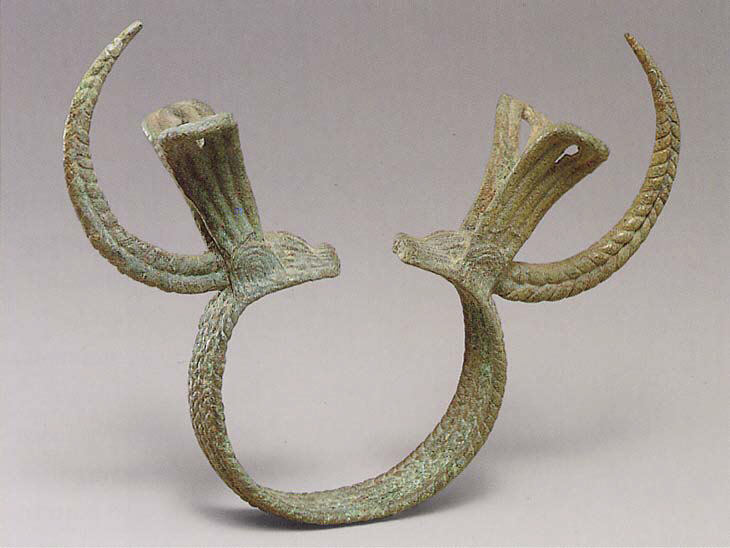
The subject of this heritage analysis is a bronze bracelet from the Ban Chiang culture of Thailand (circa 1500–300 BCE), adorned with dragonfly motifs. This artifact, while modest in scale, carries profound symbolic weight and historical significance. Its study is enriched by a DNA correlation with two seemingly disparate objects previously analyzed by Katherine Fashion Lab: Rock in the form of a fantastic mountain and Jar in the shape of bronze container (hu). Both objects, though distinct in origin and medium, reveal a shared narrative of transformation, spiritual elevation, and the interplay between the natural and the crafted. The dragonfly bracelet, in turn, emerges as a third node in this conceptual network—a wearable talisman that bridges the terrestrial and the ethereal, the mundane and the transcendent. This analysis will explore the bracelet’s symbolic power, its role in historical adornment, its spiritual meaning, and its strategic potential for a 2026 high-end luxury collection.
Symbolic Power: The Dragonfly as a Transcultural Icon
In Ban Chiang culture, dragonflies were not merely decorative motifs but potent symbols of transformation, adaptability, and spiritual protection. The dragonfly’s life cycle—from aquatic nymph to airborne adult—embodies metamorphosis and the transcendence of physical boundaries. This aligns with the symbolic DNA identified in the Rock in the form of a fantastic mountain, which evokes the sacred geography of ascension, and the Jar in the shape of bronze container (hu), which represents the vessel of life and the containment of spiritual essence. The dragonfly, like the mountain, is a threshold figure; it moves between water and air, earth and sky, mirroring the human journey from mortality to enlightenment. For the Ban Chiang people, bronze itself was a material of prestige and ritual power, often associated with shamanic practices. The bracelet’s dragonflies, cast in bronze, thus become permanent guardians of the wearer’s spiritual passage.
Historical Adornment: The Bracelet as Status and Ritual Object
Bronze bracelets from Ban Chiang were not everyday accessories. They were markers of social status, often found in elite burial contexts, suggesting their role in life and death. The dragonfly motif, with its associations of renewal and protection, may have been reserved for individuals of high spiritual or political rank. This dual function as both ornament and amulet is a recurring theme in the Lab’s research. The Jar in the shape of bronze container (hu), for instance, was not merely a utilitarian vessel but a ritual object that stored offerings or ancestral remains. Similarly, the dragonfly bracelet transcends mere decoration; it is a wearable repository of cultural memory and cosmic order. The choice of bronze—an alloy of copper and tin—required sophisticated metallurgical knowledge, further elevating the bracelet’s value. In the context of high-end luxury, this historical precedent of material mastery and symbolic depth offers a powerful blueprint: true luxury is not just about rarity but about the weight of meaning embedded in every object.
Spiritual Meaning: The Dragonfly as a Guide and Guardian
Spiritually, dragonflies in Southeast Asian animist traditions are often seen as messengers between the human world and the spirit realm. Their iridescent wings and rapid, darting flight evoke the ephemeral nature of life and the soul’s journey. The bracelet’s placement on the wrist—a pulse point and a site of energy flow—suggests its use in shamanic rituals or meditation practices. The wearer would have been constantly reminded of the dragonfly’s lesson: to navigate change with grace and to trust in the unseen. This spiritual dimension resonates deeply with the Rock in the form of a fantastic mountain, which symbolizes the axis mundi, the center of the world connecting heaven and earth. Both objects serve as anchors for the soul, providing a tangible link to the divine. For a modern luxury audience, this spiritual heritage offers a narrative of inner transformation—a counterpoint to the materialism of contemporary fashion.
2026 High-End Luxury Strategy: The Dragonfly as a Heritage Icon
For Katherine Fashion Lab’s 2026 collection, the dragonfly bracelet presents a unique opportunity to position heritage as a driver of desirability. The strategy should leverage three core pillars: narrative authenticity, material excellence, and experiential resonance.
Narrative authenticity requires a deep, respectful engagement with Ban Chiang’s cultural legacy. Rather than appropriating the dragonfly motif as a mere trend, the Lab should collaborate with Thai archaeologists, spiritual leaders, and artisans to co-create limited-edition pieces. Each bracelet should come with a documented provenance—a “cultural passport” that tells the story of its symbolic lineage, linking it to the Rock in the form of a fantastic mountain and the Jar in the shape of bronze container (hu). This narrative architecture transforms the product into a collectible artifact, appealing to the ultra-high-net-worth individual seeking meaning as much as beauty.
Material excellence must honor the original bronze medium while innovating for contemporary luxury. The Lab could develop a proprietary alloy that mimics the patina and weight of Ban Chiang bronze but is hypoallergenic and durable for daily wear. Alternatively, a “heritage finish” technique could replicate the ancient casting marks, making each bracelet uniquely textured. The dragonfly wings might be inset with ethically sourced gemstones—sapphires for water, diamonds for air—to echo the creature’s elemental duality. This fusion of ancient craft and modern technology aligns with the Lab’s DNA of historical resonance, as seen in the reinterpretation of the hu jar’s shape in modern ceramic art.
Experiential resonance is the final pillar. The 2026 launch should include an immersive exhibition titled “Wings of Transformation,” where clients can view the original Ban Chiang bracelet alongside the Rock and Jar artifacts (or high-fidelity replicas). Interactive digital installations could simulate the dragonfly’s flight and the shamanic journey, creating a multisensory brand encounter. A private preview for top clients, featuring a talk by a Thai cultural historian, would deepen the emotional connection. The bracelet itself could be offered in a limited series of 108 pieces—a sacred number in Buddhism—further enhancing its spiritual cachet.
Conclusion: The Eternal Flight of Meaning
The dragonfly bracelet from Ban Chiang is far more than an ancient ornament. It is a testament to humanity’s enduring need to adorn the body with symbols of transformation, protection, and transcendence. Its DNA, when correlated with the Rock in the form of a fantastic mountain and the Jar in the shape of bronze container (hu), reveals a coherent narrative of spiritual geography and material alchemy. For Katherine Fashion Lab, this artifact offers a strategic template for 2026: luxury as a vessel for heritage, a bridge between past and future, and a talisman for the modern soul. By honoring the dragonfly’s flight, the Lab can create not just a bracelet, but a legacy.