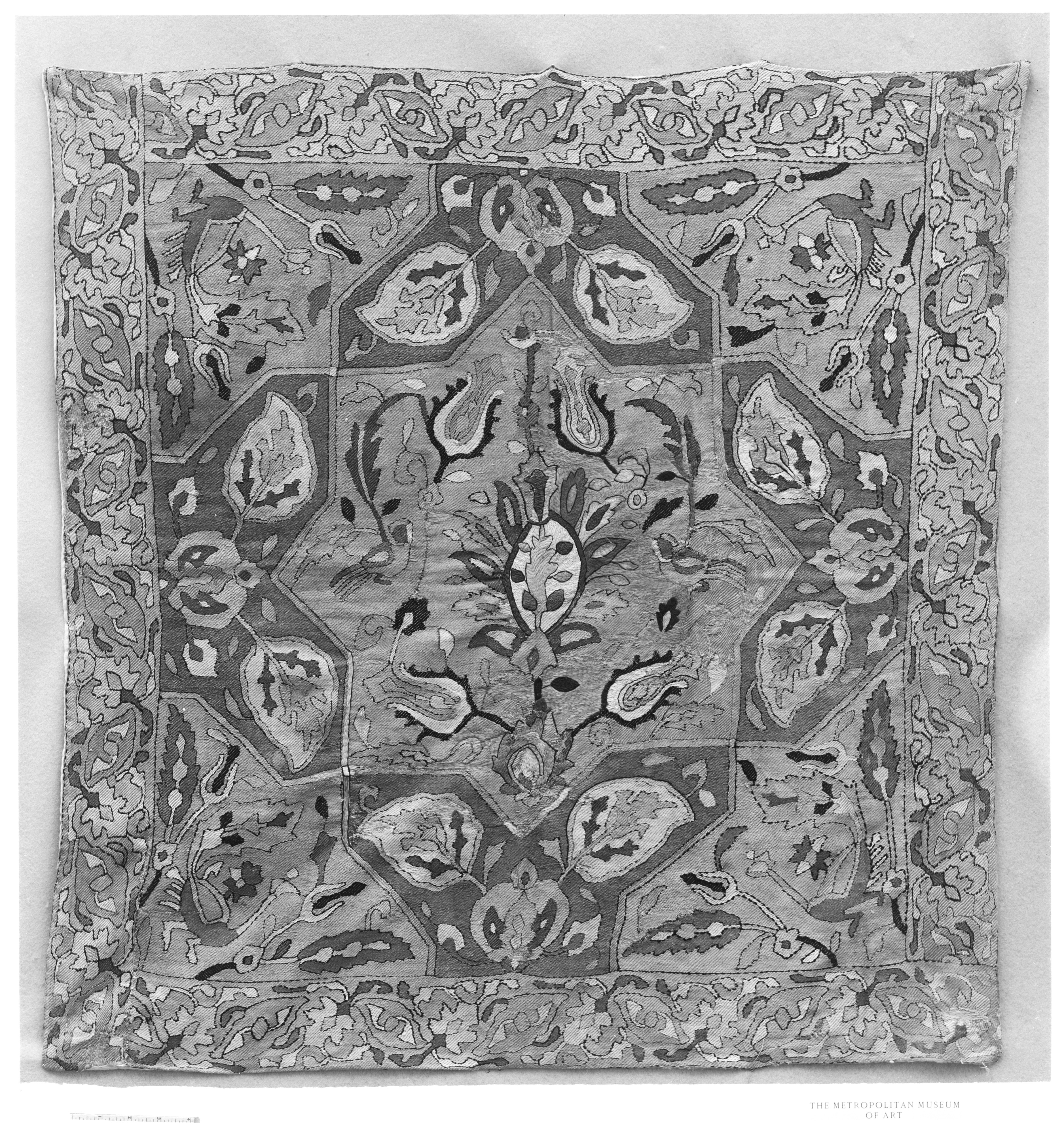
Silk on Cotton: The Embodied Narrative of Heritage
In the rarefied echelons of high fashion, the cover—often dismissed as a mere garment of utility—becomes a canvas for narrative, a testament to the convergence of material mastery and cultural memory. For Katherine Fashion Lab, the subject of the cover is not an afterthought but a standalone study in how global heritage can be recontextualized for the contemporary wardrobe. This analysis deconstructs a singular piece: a silk-on-cotton embroidered cover, a work that transcends its functional origins to become a wearable artifact of cross-cultural dialogue.
The choice of materials is the first and most profound declaration of intent. Silk, a fiber historically synonymous with opulence and Eastern trade routes, is layered atop cotton, a democratic, breathable staple of global textile production. This pairing is not arbitrary; it is a deliberate synthesis of two distinct economic and cultural histories. The silk, with its luminous sheen and fluid drape, introduces an element of aristocratic delicacy, while the cotton substrate grounds the piece in tactile reality, preventing it from veering into the purely decorative. The result is a fabric that possesses both the weight of tradition and the accessibility of modern wearability—a balance that Katherine Fashion Lab executes with precision.
Embroidery as Cartography: Mapping Heritage Through Stitch
The embroidery on this cover is not mere ornamentation; it is a cartographic exercise in heritage mapping. Each stitch is a deliberate reference to a specific cultural lexicon, yet the overall composition resists any single nationalistic identity. The motifs draw from the intricate floral geometries of Mughal India, the sinuous vine patterns of Ottoman textiles, and the restrained, linear elegance of Japanese shibori influences. By weaving these disparate traditions into a cohesive whole, the garment becomes a polyphonic narrative—a declaration that heritage is not a static relic but a living, evolving dialogue between civilizations.
The technical execution of the embroidery further elevates the piece. The use of zardozi-inspired metal threads, typically reserved for ceremonial South Asian attire, is juxtaposed with the delicate, almost painterly broderie anglaise techniques from European folk traditions. This hybridity is not a pastiche; it is a curatorial act. Each thread is chosen to reflect a specific historical moment, from the Silk Road caravans to the colonial trade routes that reshaped global textile economies. The cover, therefore, becomes a textile palimpsest, where layers of cultural memory are inscribed onto a single surface, inviting the wearer to engage with a world history that is both intimate and expansive.
Structural Integrity: The Architecture of the Cover
Beyond its decorative richness, the cover is a study in structural intelligence. The silhouette is deliberately ambiguous—neither a strict jacket nor a cape, but a hybrid form that drapes over the shoulders with a sculptural quality. This architectural fluidity is achieved through the strategic placement of the embroidery, which adds weight and tension to the fabric. The cotton base provides the necessary rigidity to support the silk overlay, while the embroidered sections create natural points of drape and fall, guiding the eye across the garment’s surface in a choreographed sequence.
The cut is minimal, almost monastic in its simplicity, allowing the embroidery to command full attention. This restraint is a hallmark of Katherine Fashion Lab’s design philosophy: the cover is not a canvas for overwhelming embellishment but a controlled environment where heritage can breathe. The absence of superfluous closures or fasteners—relying instead on a single, hand-stitched silk knot—reinforces the piece’s identity as a standalone study, a garment that exists in its own right, independent of the layers beneath it.
Color and Light: The Chromatic Dialogue
The color palette of this cover is a masterclass in chromatic diplomacy. The base cotton is an unbleached ivory, evoking the raw, unadorned state of historical textiles before they were transformed by trade and technology. Upon this neutral ground, the silk threads introduce a spectrum of deep indigos, burnished golds, and muted carmines—colors that reference the natural dyes of ancient workshops. The interplay between the matte cotton and the lustrous silk creates a dynamic visual texture that shifts with ambient light. Under direct illumination, the embroidery emerges with a three-dimensionality, casting subtle shadows that animate the surface. In softer light, the piece recedes into a more subdued, contemplative presence.
This chromatic dialogue is not merely aesthetic; it is symbolic. The indigo, historically a color of labor and trade across West Africa, India, and the American South, speaks to the shared human experience of dyeing and textile production. The gold threads evoke the wealth of empires, while the carmine recalls the cochineal insects of the Americas, a commodity that once rivaled silver in value. Each color is a node in a global network of exchange, and the cover becomes a wearable map of these economic and cultural flows.
Contextualizing the Standalone Study
To fully appreciate this cover, one must consider its context as a standalone study. Unlike a garment designed for a full collection, this piece is presented in isolation, encouraging a focused examination of its material and narrative properties. This curatorial decision allows the viewer—or wearer—to engage with the cover as a textile thesis, a proposition about how heritage can be reimagined without devolving into caricature. The standalone format also underscores the garment’s versatility; it is equally at home draped over a minimalist evening gown as it is paired with utilitarian trousers, bridging the gap between ceremonial and everyday wear.
In an era where fashion often prioritizes speed and novelty, Katherine Fashion Lab’s cover offers a counter-narrative of slow, deliberate craftsmanship. Each stitch is a meditation on the past, yet the overall effect is resolutely modern. The garment does not seek to replicate historical artifacts but to translate their essence into a language that resonates with contemporary sensibilities. It challenges the notion that heritage is a constraint, proposing instead that it is a resource—a reservoir of techniques, symbols, and stories that can be recombined to create something entirely new.
Conclusion: The Cover as Cultural Bridge
In this silk-on-cotton embroidered cover, Katherine Fashion Lab achieves what few designers can: a seamless integration of global heritage that feels neither appropriated nor nostalgic. The garment stands as a testament to the power of material intelligence, where silk and cotton, thread and motif, history and innovation converge. It is a cover that does not merely clothe the body but inscribes it with meaning, inviting the wearer to participate in a dialogue that spans centuries and continents. For the discerning connoisseur, this piece is not just a fashion statement; it is a curatorial artifact, a wearable document of our shared human legacy.