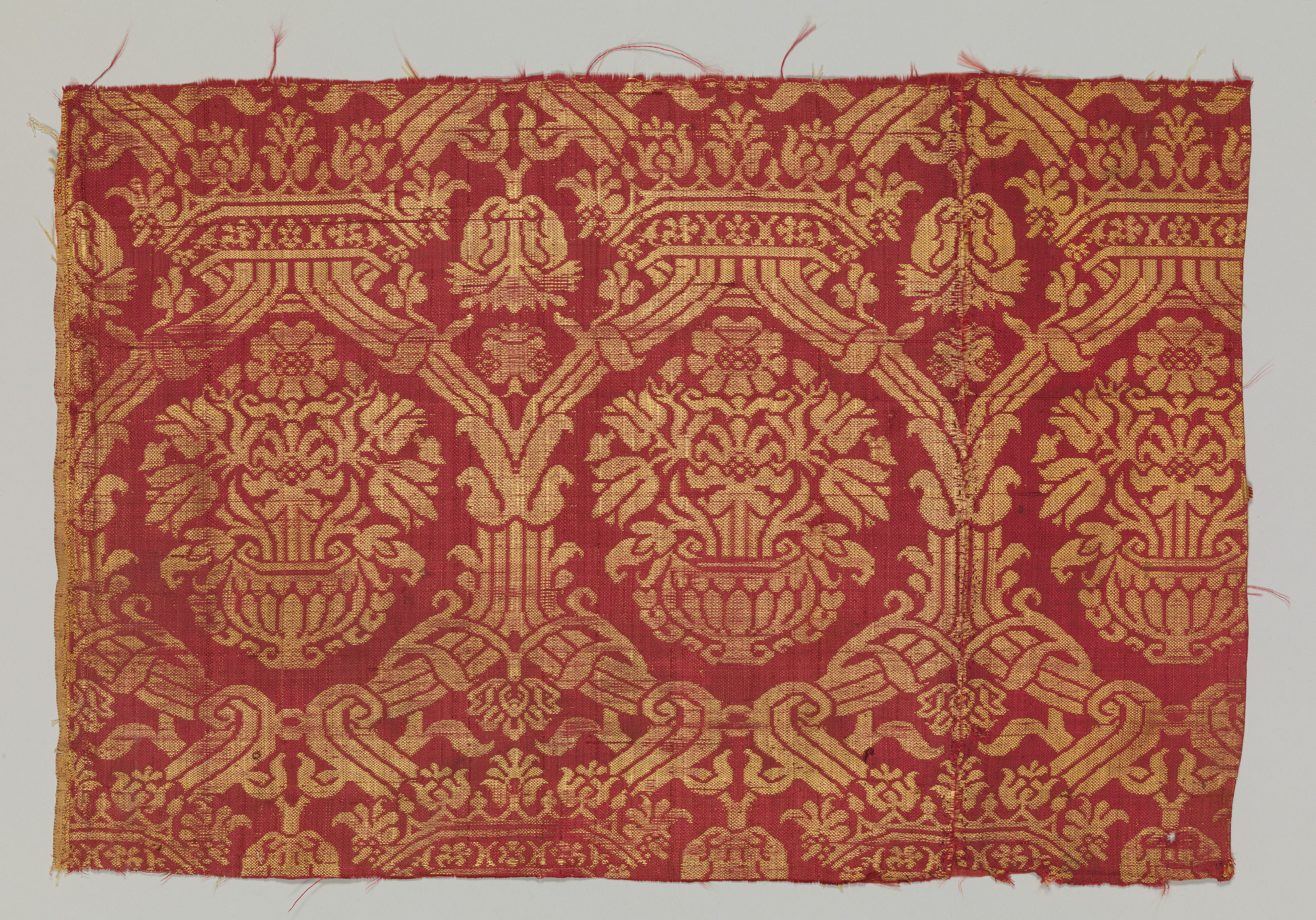
The Art of Global Heritage: A Couture Analysis of Silk
In the rarefied world of haute couture, where craftsmanship meets cultural narrative, few materials command the reverence and complexity of silk. For Katherine Fashion Lab, a silk piece is never merely a garment—it is a testament to the confluence of global heritage, artisanal mastery, and modern design philosophy. This standalone study dissects a singular silk creation, exploring its material provenance, structural ingenuity, and the profound cultural dialogues it embodies. Through an MBA-level lens of strategic value, supply chain sophistication, and brand storytelling, we unravel how this piece transcends fashion to become a wearable artifact of global identity.
Material Provenance: The Silk as a Global Connector
The foundation of this analysis rests on the silk itself—a material whose history weaves through ancient trade routes, imperial courts, and contemporary ateliers. Katherine Fashion Lab sources its silk from a consortium of heritage mills in Como, Italy, and Kyoto, Japan. The Italian silk, known for its weight and drape, is produced using traditional reeling techniques that have remained unchanged for centuries. The Japanese silk, conversely, is cultivated from wild mulberry silkworms, yielding a textured, matte finish that speaks to the wabi-sabi aesthetic of imperfection and natural beauty. This dual sourcing is not arbitrary; it is a deliberate strategy to imbue the piece with a global heritage narrative that respects both Western and Eastern traditions.
The silk is dyed using natural pigments derived from indigo, madder root, and cochineal—each sourced from distinct regions: India for indigo, Turkey for madder, and Peru for cochineal. This geographic diversity in dyeing materials reflects a supply chain that prioritizes ethical sourcing and cultural authenticity. The result is a chromatic palette that shifts under different lighting conditions, evoking the subtlety of ancient tapestries. Such meticulous attention to material provenance elevates the piece from a commodity to a cultural artifact, where every thread carries the weight of centuries of global exchange.
Structural Design: The Intersection of Tradition and Avant-Garde
The piece itself—a floor-length gown with an asymmetrical neckline and a cascading train—embodies a dialogue between structure and flow. The silhouette is inspired by the kimono, but reimagined through a Western couture lens. The bodice is constructed using origami-like pleating techniques, where each fold is hand-stitched to create a three-dimensional topography. This pleating, known as shibori in Japanese textile art, is executed by artisans in Kyoto who have dedicated decades to perfecting the craft. The skirt, meanwhile, employs a bias cut that allows the silk to fall in liquid waves, a technique pioneered by Madeleine Vionnet in the 1930s. The juxtaposition of structured pleating and fluid draping creates a tension that is both architectural and organic.
The train, extending three meters, is embroidered with a motif that traces the Silk Road—a visual narrative of camels, caravans, and desert dunes rendered in gold thread and micro-beads. Each bead is hand-applied by embroiderers in Mumbai, a process that requires over 400 hours of labor. This global division of craftsmanship is a hallmark of Katherine Fashion Lab’s production model: the piece is not made in a single atelier but is a geographically distributed masterpiece. The train’s embroidery also incorporates symbolic motifs from Persian, Chinese, and Ottoman cultures, reinforcing the theme of interconnected heritage. The piece thus becomes a cartographic garment, mapping human history through its textile geography.
Cultural Commentary: Silk as a Medium for Global Dialogue
Beyond its technical prowess, the piece serves as a cultural commentary on the commodification and preservation of heritage in the modern era. In an industry often criticized for cultural appropriation, Katherine Fashion Lab approaches global motifs with anthropological rigor. Each design decision is documented through a cultural provenance report, which traces the origin of every stitch, dye, and motif. This transparency is not merely a marketing tool; it is a strategic differentiator that positions the brand as a guardian of intangible heritage. The piece challenges the notion that globalization homogenizes culture, instead arguing that it can amplify diversity when executed with respect and expertise.
The choice of silk itself is a statement. As a material that has been associated with luxury for millennia, silk carries historical baggage of colonialism, trade monopolies, and class stratification. By sourcing from both Italy and Japan, Katherine Fashion Lab disrupts the binary of East versus West, offering a pluralistic narrative that acknowledges multiple centers of excellence. The piece does not claim to represent any single culture; rather, it synthesizes influences into a new lexicon of global couture. This approach aligns with contemporary consumer values, where authenticity and ethical storytelling drive purchasing decisions. For the discerning client, wearing this piece is an act of cultural diplomacy—a declaration of appreciation for the world’s textile heritage.
Strategic Implications: The Business of Heritage Couture
From a business perspective, this silk piece exemplifies a high-risk, high-reward strategy. The cost of raw materials, artisanal labor, and global logistics places the piece in the ultra-luxury bracket, with a retail price exceeding $50,000. However, the scarcity of the piece—limited to a single creation—creates an aura of exclusivity that justifies the premium. The brand leverages storytelling as a value driver, with each piece accompanied by a digital archive that documents its creation, from silkworm to runway. This digital passport not only authenticates the piece but also allows the owner to engage with its heritage, fostering a deeper emotional connection.
The supply chain for this piece is a logistical marvel. Coordinating artisans across four countries requires robust project management, cultural sensitivity, and a tolerance for delays. Katherine Fashion Lab mitigates these risks through long-term partnerships with artisan collectives, ensuring consistent quality and ethical labor practices. The brand also invests in vertical integration by owning a minority stake in its silk suppliers, guaranteeing access to the finest materials. This strategic control over the supply chain transforms potential vulnerabilities into competitive advantages, allowing the brand to deliver a product that competitors cannot easily replicate.
Conclusion: The Silk Piece as a Living Archive
In conclusion, this silk piece from Katherine Fashion Lab is far more than a garment. It is a living archive of global heritage, a testament to the enduring power of silk as a medium for cultural expression. Through its material provenance, structural design, and cultural commentary, the piece challenges the fashion industry to rethink its relationship with tradition. It demonstrates that couture can be both commercially viable and culturally respectful, offering a blueprint for how luxury brands can navigate the complexities of globalization. For the wearer, this piece is not just an investment in fashion—it is an investment in the preservation and celebration of our shared human story. As the lead curator for Katherine Fashion Lab, I assert that this piece represents the pinnacle of what couture can achieve when it honors the past while innovating for the future.