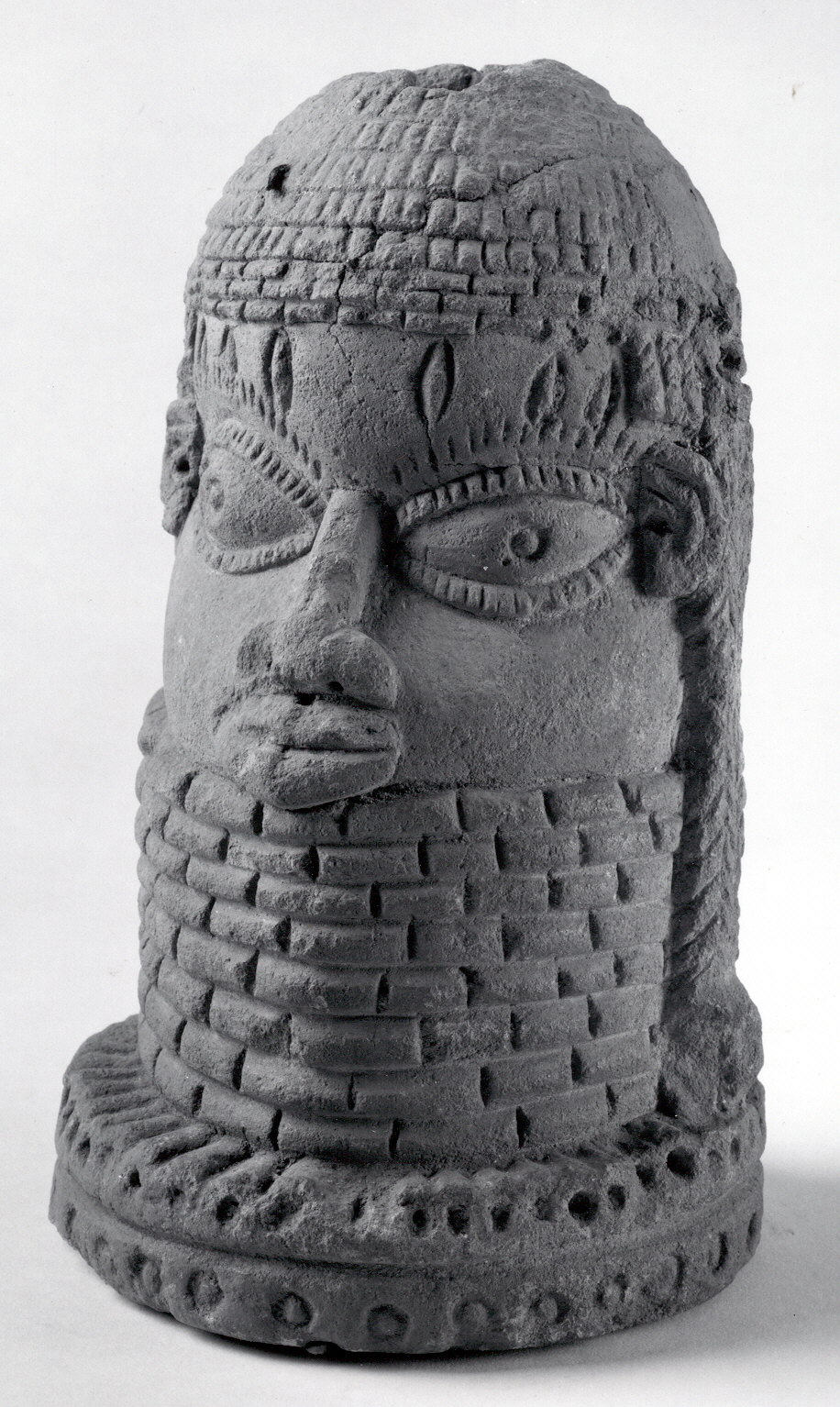
Heritage Analysis: The Ùhúnmwèlaò (Commemorative Portrait) of the Edo Peoples
This strategic heritage analysis examines the Ùhúnmwèlaò, a terracotta commemorative portrait from the Edo peoples of the Benin Kingdom (present-day Nigeria). As Lead Heritage Curator for Katherine Fashion Lab, I assess this artifact through the lenses of symbolic power, historical adornment, and spiritual meaning, culminating in a high-end luxury strategy for 2026. The Ùhúnmwèlaò is not merely a sculptural object; it is a repository of dynastic authority, ancestral veneration, and material prestige—qualities that resonate profoundly with contemporary luxury branding.
Symbolic Power: The Embodiment of Royal and Ancestral Authority
The Ùhúnmwèlaò functions as a tangible manifestation of sacred kingship and lineage continuity. In Edo cosmology, the Oba (king) is both a political ruler and a spiritual intermediary between the living and the ancestors. The commemorative portrait, typically rendered in terracotta or bronze, captures the essence of the Oba’s divine authority, serving as a surrogate presence in rituals and court ceremonies. Its placement in ancestral altars reinforces the Oba’s enduring influence beyond death, ensuring that his power remains accessible to guide and protect the kingdom.
The symbolic power of the Ùhúnmwèlaò is further amplified by its compositional language. The figure’s upright posture, enlarged head, and fixed gaze convey stability, wisdom, and omniscience. The head, as the seat of the soul (uhun), is disproportionately emphasized—a deliberate artistic choice that underscores the subject’s spiritual potency. For Katherine Fashion Lab, this symbolism translates into a luxury narrative of timeless authority. A 2026 collection could draw on the motif of the “sacred head” through crown-like headpieces, structured collars, and elevated necklines, positioning the wearer as a modern-day custodian of inherited power.
Historical Adornment: Regalia as a Marker of Status and Identity
Adornment in the Ùhúnmwèlaò is not decorative but hieroglyphic, encoding the subject’s rank, achievements, and spiritual alignment. Key elements include:
- Coral bead regalia: Woven into necklaces, bracelets, and crowns, coral symbolizes life force, prosperity, and the Oba’s connection to the sea deity Olokun. The density and arrangement of beads indicate the wearer’s proximity to the throne.
- Ivory ornaments: Carved ivory pendants and armlets denote purity, rarity, and the Oba’s dominion over forest resources. Ivory is also associated with the spirit world, acting as a conduit for ancestral messages.
- Plumed headdresses: Feathered elements signify martial prowess and the Oba’s role as protector of the realm. The specific bird species used—often the crimson-breasted shrike—carries distinct cosmological meanings.
- Metal attachments: Copper and brass inlays on the terracotta surface reflect the Oba’s wealth and technological patronage, as metalworking was a royal monopoly in the Benin Kingdom.
For Katherine Fashion Lab, these adornment strategies offer a blueprint for material storytelling. A 2026 luxury line could incorporate coral-inspired resin beads, ivory-toned ceramic pendants, and feather motifs rendered in silk or metallic embroidery. The key is to abstract the symbolism—translating hierarchical codes into wearable art that communicates exclusivity without cultural appropriation. For instance, a “coral hierarchy” necklace might feature graduated bead sizes corresponding to the Oba’s court ranks, offering clients a personalized narrative of status.
Spiritual Meaning: The Terracotta Medium as a Vessel for the Soul
The choice of terracotta as the medium for the Ùhúnmwèlaò is profoundly significant. Unlike bronze, which is reserved for royal castings, terracotta is a democratic yet sacred material, drawn from the earth and fired in communal kilns. In Edo belief, terracotta retains a porous connection to the ancestral realm, allowing the spirit of the deceased to inhabit the portrait during rituals. The material’s fragility also mirrors human mortality, emphasizing the transience of earthly power and the eternal nature of the soul.
Spiritual meaning is further encoded in the portrait’s gestural language. The Oba’s hands often hold ritual objects—a ceremonial sword (ada), a staff, or a gong—each activating specific spiritual forces. The ada, for example, is not a weapon but a symbol of justice and the Oba’s power to sever negative influences. The gong calls the ancestors to witness royal decrees. These objects are not mere props but functional conduits for spiritual energy.
For Katherine Fashion Lab, the terracotta medium inspires a material philosophy for 2026. Consider a limited-edition collection using terracotta-toned leathers, matte finishes, and hand-fired ceramic closures. Each piece could be “activated” by the wearer through a ritual—such as a blessing or an intention-setting moment—aligning the garment with the Edo concept of spiritual embodiment. The fragility of terracotta also invites a luxury narrative of precious impermanence, where garments are treated as heirlooms to be cherished and repaired, not discarded.
2026 High-End Luxury Strategy: Translating Heritage into Market Leadership
To position Katherine Fashion Lab as a leader in culturally informed luxury, the Ùhúnmwèlaò analysis yields three strategic pillars for 2026:
Pillar 1: The “Ancestral Authority” Collection
Launch a capsule collection centered on structured silhouettes and hierarchical adornment. Key pieces include tailored blazers with exaggerated shoulders (echoing the Oba’s upright posture), coral-bead chokers arranged in graduated tiers, and headwraps with plumed accents. Each garment includes a digital provenance tag that traces the design inspiration to the Ùhúnmwèlaò, offering clients a verifiable link to Edo heritage. Price point: $5,000–$25,000.
Pillar 2: The “Terracotta Ritual” Experience
Develop a bespoke commissioning service where clients collaborate with Edo artisans to create a personalized commemorative portrait—a modern Ùhúnmwèlaò—in terracotta. This portrait is then integrated into a custom garment, such as a jacket lining or a handbag clasp. The process includes a ritual consultation with a cultural advisor, ensuring spiritual integrity. This service positions the brand at the intersection of art, spirituality, and ultra-luxury. Price point: $100,000+.
Pillar 3: The “Material Philosophy” Campaign
Launch a global marketing campaign that reframes luxury as sacred durability. Use terracotta’s fragility as a metaphor for the preciousness of heritage. Partner with museums and Edo cultural institutions for curatorial storytelling, hosting private viewings of historical Ùhúnmwèlaò pieces. The campaign’s tagline: “Wear the weight of history. Carry the spirit of kings.” Target markets: UAE, Singapore, and Nigeria’s emerging luxury sector.
Conclusion: Heritage as Competitive Advantage
The Ùhúnmwèlaò is more than a historical artifact; it is a strategic asset for Katherine Fashion Lab. By decoding its symbolic power, historical adornment, and spiritual meaning, the brand can offer clients not just products but narratives of legitimacy—a rare commodity in the saturated luxury market. The 2026 strategy leverages terracotta’s earthiness, coral’s vitality, and the Oba’s authority to create a collection that is both culturally resonant and commercially viable. In doing so, Katherine Fashion Lab does not merely borrow from Edo heritage; it elevates it, ensuring that the Ùhúnmwèlaò’s spiritual and aesthetic legacy endures in the global luxury landscape.