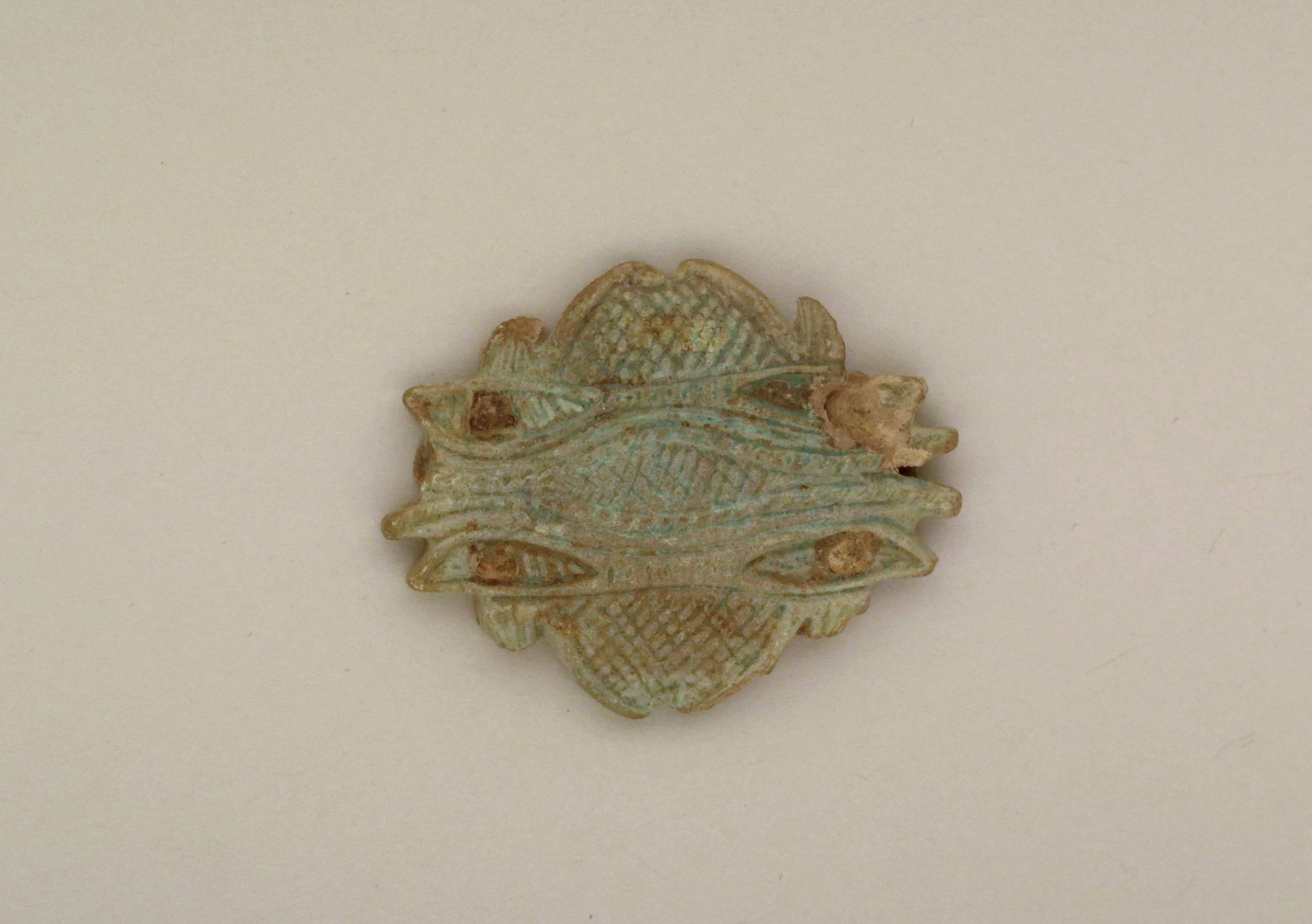
Heritage Analysis: Faience Udjat Eyes and Papyrus Clump
Introduction: The Intersection of Ancient Symbolism and Modern Luxury
The Faience Udjat eyes and papyrus clump represent a profound convergence of spiritual meaning and aesthetic sophistication in ancient Egyptian culture. For Katherine Fashion Lab, these artifacts offer a strategic reservoir of symbolic power, historical adornment practices, and timeless luxury cues. This analysis examines their heritage value and proposes a 2026 high-end luxury strategy grounded in authenticity, cultural resonance, and exclusivity. By decoding the layers of meaning embedded in these objects, we can craft a narrative that elevates the brand’s positioning in the competitive luxury landscape.
Symbolic Power: The Udjat Eye as a Protective and Regenerative Motif
The Udjat eye, also known as the Eye of Horus, is one of ancient Egypt’s most potent symbols. It represents protection, royal power, and good health. In funerary contexts, it was believed to restore the deceased’s sight in the afterlife, while in daily life, it warded off evil spirits and misfortune. The faience medium—a self-glazing, turquoise-hued ceramic—amplified this symbolism through its association with the life-giving waters of the Nile and the sky god Horus. The papyrus clump, often paired with the Udjat eye, symbolizes regeneration, fertility, and the marshlands of creation. Together, they form a visual lexicon of rebirth and divine guardianship.
For luxury branding, these symbols offer a unique opportunity to imbue products with narratives of protection, transformation, and exclusivity. The Udjat eye, in particular, resonates with contemporary consumers seeking talismanic objects that convey status and spiritual depth. By incorporating these motifs into jewelry, accessories, or packaging, Katherine Fashion Lab can tap into a universal desire for meaningful adornment—a trend that is accelerating in the post-pandemic luxury market.
Historical Adornment: Faience as a Prestige Material
In ancient Egypt, faience was not merely a decorative medium but a mark of social and spiritual distinction. It was used in amulets, jewelry, and ritual objects, often reserved for the elite and the priesthood. The vibrant blue-green color, achieved through copper compounds, mimicked lapis lazuli and turquoise—stones associated with royalty and divinity. The production process, which involved molding and glazing, required specialized craftsmanship, making faience objects both rare and valuable.
This historical context is directly relevant to Katherine Fashion Lab’s 2026 strategy. The brand can position faience-inspired designs as heritage-infused luxury, emphasizing the material’s artisanal origins and cultural cachet. By collaborating with contemporary artisans who replicate ancient techniques, the lab can create limited-edition collections that celebrate craftsmanship, rarity, and narrative depth. This approach aligns with the growing consumer demand for brands that prioritize authenticity and cultural preservation over mass production.
Spiritual Meaning: The Papyrus Clump as a Symbol of Eternal Life
The papyrus clump is intrinsically linked to the Egyptian concept of ma’at—cosmic order and harmony. Papyrus was the material of writing, record-keeping, and sacred texts, making it a symbol of knowledge and continuity. In funerary art, papyrus clumps often appear in scenes of the deceased in the Field of Reeds, a paradisiacal afterlife. When combined with the Udjat eye, the clump reinforces themes of resurrection and eternal vigilance.
For luxury branding, this spiritual dimension can be translated into experiential luxury. Katherine Fashion Lab could develop a collection that tells a story of rebirth and protection, using the papyrus clump as a motif for resilience and renewal. This narrative is particularly potent in 2026, as consumers increasingly seek brands that offer emotional and spiritual value. By embedding these symbols into product design, marketing campaigns, and even store environments, the lab can create a holistic brand experience that transcends mere aesthetics.
2026 High-End Luxury Strategy: From Artifact to Asset
To leverage the heritage of faience Udjat eyes and papyrus clumps, Katherine Fashion Lab must adopt a three-pillar strategy grounded in cultural authority, scarcity, and narrative luxury.
1. Cultural Authority through Curated Partnerships. The lab should collaborate with Egyptologists, museums, and heritage artisans to authenticate its designs. This could involve licensing motifs from institutions like the Egyptian Museum in Cairo or partnering with contemporary Egyptian craftspeople who revive faience techniques. Such partnerships not only ensure cultural accuracy but also elevate the brand’s prestige through association with scholarly and artistic institutions.
2. Scarcity via Limited-Edition Collections. The faience medium, by its nature, is labor-intensive and yields small quantities. Katherine Fashion Lab can replicate this scarcity by producing numbered, hand-finished pieces that mimic the ancient production process. Each item could include a certificate of authenticity detailing its symbolic meaning and craftsmanship, appealing to collectors and connoisseurs. This strategy mirrors the success of heritage luxury houses like Cartier and Van Cleef & Arpels, which use limited editions to drive exclusivity.
3. Narrative Luxury through Immersive Storytelling. The Udjat eye and papyrus clump must be presented not as decorative motifs but as characters in a larger story. Katherine Fashion Lab could develop a multimedia campaign titled “Eternal Guardians,” featuring short films, digital experiences, and private events that explore the spiritual and historical significance of these symbols. The campaign should emphasize the transformative power of adornment, positioning the jewelry as talismans for modern life. This narrative approach aligns with the luxury sector’s shift toward experiential and purpose-driven consumption.
Strategic Recommendations for Implementation
For the 2026 launch, Katherine Fashion Lab should prioritize the following actions:
- Product Development: Design a capsule collection of faience-inspired pendants, rings, and cufflinks featuring the Udjat eye and papyrus clump. Use high-end materials such as 18-karat gold, enamel, and actual faience from ethical sources to bridge ancient and modern luxury.
- Pricing Strategy: Position the collection at the ultra-luxury tier, with prices starting at $5,000 for smaller pieces. This pricing reflects the cultural value, craftsmanship, and scarcity of the designs.
- Marketing Channels: Launch exclusively through private client events, museum collaborations, and a dedicated microsite with immersive 3D renderings. Avoid broad digital advertising to maintain an aura of exclusivity.
- Client Experience: Offer bespoke consultations where clients can learn about the symbolism of their chosen piece and select personalized engravings or gemstone accents. This service creates an emotional connection and reinforces the brand’s role as a custodian of heritage.
Conclusion: The Enduring Power of Ancient Symbols
The faience Udjat eyes and papyrus clump are not mere historical artifacts; they are blueprints for modern luxury. Their symbolic power, historical adornment value, and spiritual depth offer Katherine Fashion Lab a unique competitive advantage in a saturated market. By honoring the cultural origins of these motifs and translating them into high-end products and experiences, the lab can forge a distinct identity rooted in authenticity and meaning. In 2026, as consumers increasingly seek brands that offer more than material value, this heritage-driven strategy positions Katherine Fashion Lab as a leader in narrative luxury—a brand that does not just sell objects, but stories of protection, rebirth, and eternal elegance.