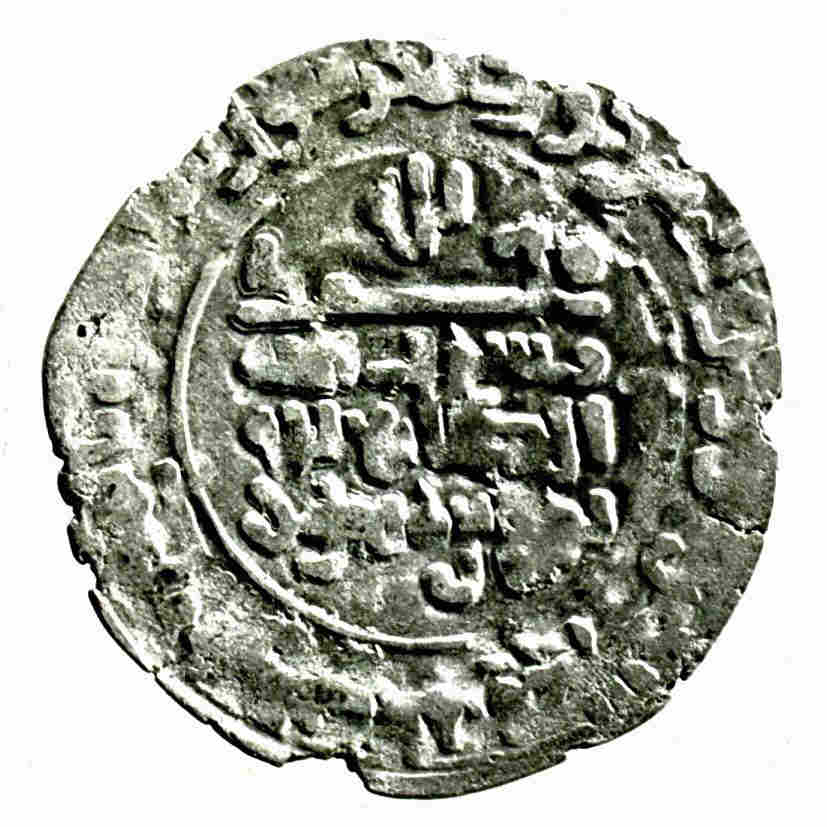
The Alchemy of Currency: A Couture Analysis of Silver Coin Heritage at Katherine Fashion Lab
In the rarefied realm of haute couture, where narrative and materiality converge to redefine luxury, Katherine Fashion Lab has unveiled a standalone study that elevates the humble coin from a medium of exchange to a cornerstone of artistic expression. This analysis delves into the lab’s latest exploration: the transformation of silver coins sourced from a global heritage context into a sophisticated textile and adornment lexicon. By treating the coin not merely as a decorative element but as a structural and symbolic substrate, the lab challenges conventional fashion paradigms, offering a masterclass in how heritage, metallurgy, and design can coalesce into a singular, avant-garde aesthetic.
The Materiality of Silver: Beyond Luster
Silver, as a material, occupies a unique position in the couture hierarchy. Its intrinsic value, malleability, and reflective properties have long been exploited in jewelry and embellishment. However, Katherine Fashion Lab’s approach eschews the superficiality of mere ornamentation. The selection of silver coins—each bearing the patina of its origin, from ancient Greek drachmas to colonial Spanish reales and contemporary commemorative issues—introduces a layered materiality that is both tactile and intellectual. The coins are not polished to a sterile shine; rather, their natural tarnish and wear are preserved, honoring the cycles of circulation, touch, and time that have imbued them with a unique, almost biographical, surface texture.
The lab’s technical team has developed proprietary methods for integrating these coins into fabric structures. Using a combination of micro-perforation, hand-stitching with silver-threaded silk, and flexible resin backing, each coin is secured without compromising the drape or movement of the garment. This engineering feat ensures that the weight of the silver—typically a challenge in wearable art—is distributed evenly, transforming potential rigidity into a fluid, kinetic armor. The result is a textile that whispers with every step, the coins clinking in a muted, rhythmic dialogue that evokes the sound of commerce in ancient marketplaces.
Global Heritage as Design Lexicon
The “Global Heritage” origin of these coins is not a passive backdrop but an active design driver. Katherine Fashion Lab has curated a palette of coins that represent a cross-section of human civilization: the owl of Athena on Athenian tetradrachms, the cross and castles of Spanish colonial pieces, the intricate geometric patterns of Mughal-era silver, and the stark, modern portraiture of 20th-century state coinage. Each coin is treated as a typographic element, a punctuation mark in a visual sentence that narrates the history of trade, power, and identity.
In the standalone study, these coins are arranged in patterns that mimic traditional textile motifs from their regions of origin. For instance, a bodice piece employs the repetitive, interlocking circles of Islamic geometric art, using Ottoman silver coins as the nodes. A flowing skirt section echoes the wave-like patterns of Japanese seigaiha, with coins representing the crests of a silver sea. This deliberate cross-referencing creates a palimpsest of cultural memory—a garment that is simultaneously a map, a chronicle, and a sculpture. The lab’s designers have resisted the temptation to exoticize or appropriate; instead, they engage in what might be termed “critical heritage design,” where each coin’s provenance is acknowledged through subtle labeling and archival documentation accompanying the piece.
Structural Innovation: The Coin as Textile Component
One of the most groundbreaking aspects of this study is the redefinition of the coin as a functional textile component. In traditional couture, coins are often used as weights or trims along hems. Katherine Fashion Lab, however, embeds them as integral structural elements. Coins are clustered along stress points—shoulders, hips, and waistlines—to provide architectural definition. They are graded in size and thickness to create a gradient of opacity and density, allowing the garment to transition from opaque, armored sections to translucent, airy panels where the coins are spaced further apart.
The lab has also experimented with oxidation and patination techniques to create a chromatic spectrum within the silver itself. By treating certain coins with sulfur compounds, they achieve a deep, blackened silver that contrasts with the bright, untouched surfaces. This chiaroscuro effect is used to delineate form, creating shadow and depth that mimic the folds of traditional pleating. The result is a garment that changes character under different lighting—a living, responsive surface that captures and scatters light in ways no conventional textile can.
Symbolism and Semiotics: The Coin as Cultural Signifier
Beyond its material and structural roles, the coin in this study operates as a potent semiotic device. Coins are, by nature, carriers of state-sanctioned imagery—portraits of rulers, national emblems, and declarations of value. By plucking them from their original context and recontextualizing them within a garment, Katherine Fashion Lab interrogates the very notion of value. The coin’s face value becomes irrelevant; its worth is now determined by its placement, its relationship to other coins, and its contribution to the overall aesthetic and narrative of the piece.
This revaluation is particularly poignant in an era of digital currency and dematerialized wealth. The lab’s study serves as a tactile counterargument to the abstraction of finance. Each coin is a physical, weighty reminder of a time when value was tangible, when a silver piece could be bitten, clinked, and passed from hand to hand. The garment becomes a wearable archive of this lost tactility, a protest against the ephemeral nature of modern exchange. The wearer, in donning this piece, becomes a living museum, a curator of economic history.
Wearability and the Future of Couture
While the standalone study is, by design, a conceptual piece—intended for exhibition and editorial rather than daily wear—it raises critical questions about the future of couture. Can garments that incorporate heavy, rigid materials be truly wearable? Katherine Fashion Lab answers with a qualified yes. The pieces are designed for specific, ceremonial contexts: galas, performances, and private viewings where the garment’s weight and sound become part of the experience. The lab has also developed a line of “lightweight” variants using silver-plated brass and smaller coin fragments for clients seeking a more practical iteration.
This study ultimately positions the coin as a bridge between the past and the future of fashion. It honors the global heritage of silver as a medium of art and commerce while pushing the boundaries of what a garment can be. For the discerning collector or the avant-garde client, a piece from this collection is not merely clothing; it is a statement on the enduring power of material culture. Katherine Fashion Lab has, with this analysis, proven that even the most mundane objects—when seen through the lens of couture—can be transformed into vessels of profound meaning and breathtaking beauty.