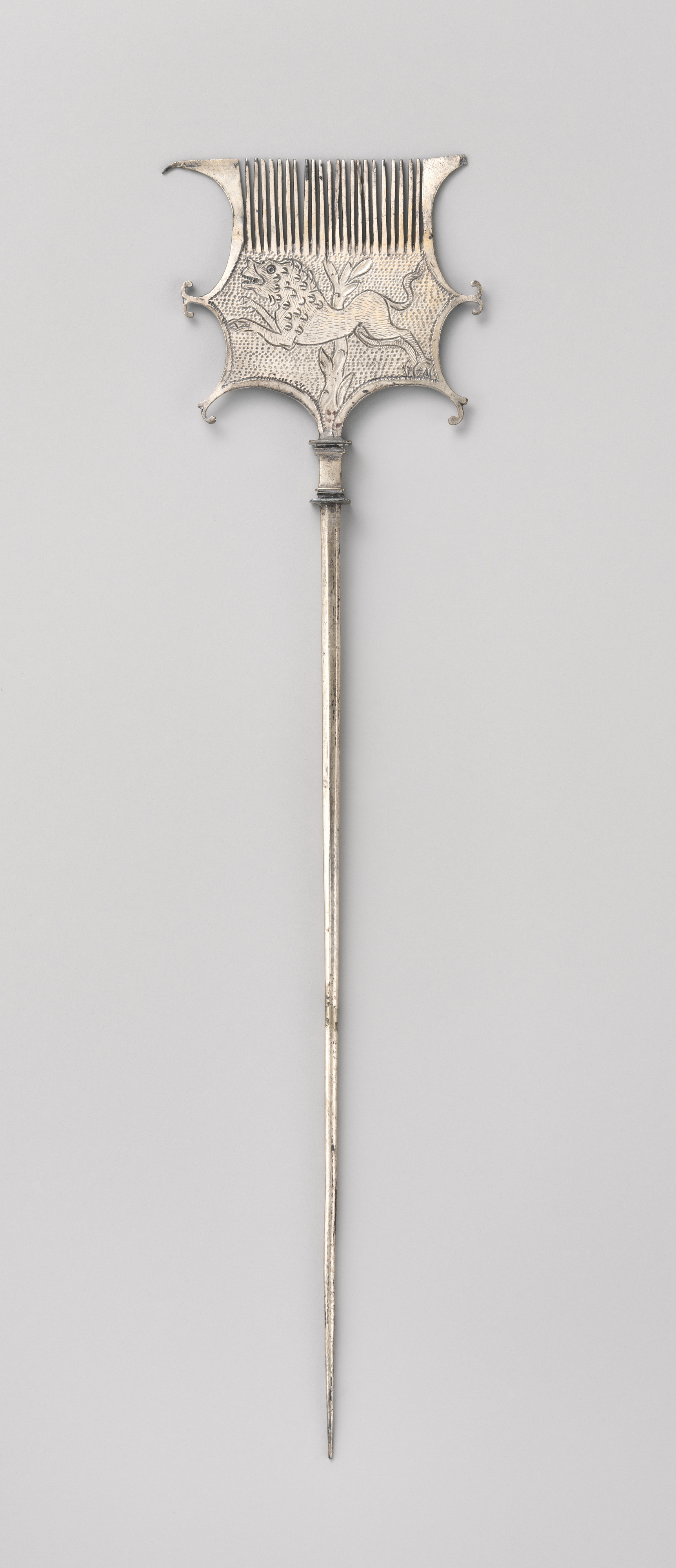
Heritage Analysis: The Roman Silver Comb and Pin
Introduction: Artifacts of Authority and Adornment
The Roman silver comb and pin, dating from the 1st to 4th centuries CE, represent a sophisticated intersection of personal grooming, social status, and spiritual belief. As objects of daily use and ceremonial significance, these artifacts were not merely functional tools but potent symbols of identity within the Roman hierarchical structure. For Katherine Fashion Lab, a deep analysis of these pieces offers a strategic blueprint for a 2026 luxury collection that draws on the enduring power of silver as a medium of prestige, protection, and transformation. This paper examines the comb and pin through the lenses of symbolic power, historical adornment, spiritual meaning, and their relevance to high-end luxury strategy, providing a foundation for heritage-informed design and brand narrative.
Symbolic Power: Silver as a Marker of Status and Sovereignty
In Roman society, silver was intrinsically linked to wealth, authority, and divine favor. The comb and pin, crafted from this precious metal, were not everyday items but possessions of patrician women and, in some cases, priestesses or imperial household members. The comb, used to arrange elaborate hairstyles, signified control over appearance and, by extension, social presentation. The pin, often employed to secure hair or garments, functioned as a subtle emblem of structural power—holding together the sartorial and symbolic order of the wearer. Archaeological evidence from sites such as Pompeii and Ostia indicates that silver hair implements were frequently buried with their owners, suggesting their role as status markers in both life and death. For Katherine Fashion Lab, this symbolism translates into a 2026 strategy that positions silver accessories as tools of empowerment—objects that allow the wearer to assert dominance through refinement. The comb and pin become metaphors for curating one's public identity, a concept highly resonant with contemporary luxury consumers seeking authenticity and control in an era of digital saturation.
Historical Adornment: The Roman Beauty Ideal and Craftsmanship
Roman adornment was a complex language of cultural values, with hair styling representing a particularly potent arena for expressing virtue, marital status, and ethnic identity. The silver comb, often featuring intricate tine patterns and decorative handles, facilitated the creation of the tutulus or nodus hairstyles favored by elite women. The pin, sometimes adorned with small finials or gemstone settings, secured these elaborate constructions, which could require hours of a slave's labor. The craftsmanship involved—lost-wax casting, chasing, and niello inlay—demonstrates a mastery of silver that elevated these objects beyond mere utility. The comb's teeth were precisely spaced to detangle and style, while the pin's sharp point allowed for secure fastening. This duality of function and artistry is critical for Katherine Fashion Lab's 2026 collection: it suggests a move toward functional luxury, where every piece serves a dual purpose—both as a tool for self-expression and as an objet d'art. The historical precedent of Roman silverwork, with its emphasis on durability and beauty, aligns with the contemporary luxury trend toward investment pieces that transcend seasonal cycles. By referencing Roman techniques such as repoussé and granulation, Katherine Fashion Lab can create a line that honors heritage while appealing to modern connoisseurs of craftsmanship.
Spiritual Meaning: Silver as a Conduit for Divine Protection
Beyond its social utility, the Roman silver comb and pin held profound spiritual significance. Silver was associated with Luna, the moon goddess, and was believed to possess purifying and protective properties. Combs, in particular, were thought to ward off evil spirits when used in grooming rituals, as hair was considered a repository of personal energy and vulnerability. Pins, often inscribed with defixiones (curse tablets) or protective symbols, could serve as amulets. The act of pinning hair was thus an act of spiritual fortification, sealing the wearer's aura from malevolent influences. This metaphysical dimension offers Katherine Fashion Lab a powerful narrative for 2026: the comb and pin become talismans for the modern wearer, offering protection in a chaotic world. In a high-end luxury strategy, this can be communicated through ritualistic branding—positioning the pieces as part of a daily ceremony of self-care and empowerment. The spiritual meaning also aligns with the growing consumer interest in wellness and intentionality, allowing the brand to tap into a market that values objects with deeper resonance. By incorporating subtle symbolic engravings—such as lunar motifs or protective geometric patterns—Katherine Fashion Lab can create a collection that feels both ancient and urgently contemporary.
2026 High-End Luxury Strategy: Heritage as Competitive Advantage
For Katherine Fashion Lab, the Roman silver comb and pin offer a unique strategic asset in the crowded luxury market of 2026. The key is to translate heritage into a sustainable, narrative-driven product line that appeals to discerning consumers seeking differentiation. The following strategic pillars emerge from this analysis:
1. Limited-Edition Heritage Replicas: Produce a small series of handcrafted silver combs and pins, each authenticated with a certificate detailing its Roman provenance and symbolic meaning. This exclusivity commands a premium price point and creates a collector's market. Price positioning should target $2,500–$5,000 per piece, aligning with ultra-luxury accessories.
2. Modernized Functional Luxury: Develop a contemporary line of silver hair accessories—minimalist combs and sleek pins—that incorporate Roman design motifs (e.g., scrollwork, acanthus leaves) but in a wearable, everyday format. These pieces serve as entry points to the brand's heritage narrative, priced between $800 and $1,800 to attract aspirational luxury buyers.
3. Ritualistic Marketing Campaign: Launch a visual storytelling campaign titled “The Adorned Self,” featuring models in architectural settings that evoke Roman temples and baths. The campaign should emphasize the spiritual and empowering dimensions of the comb and pin, using language like “protect your story” and “secure your power.” Collaborate with a contemporary artist or jewelry designer to create a short film that dramatizes the grooming ritual as a moment of transformation.
4. Cross-Category Integration: Extend the silver comb and pin motif into other product categories—such as silk scarves printed with comb patterns, or leather pouches designed to hold the pieces. This creates a cohesive brand ecosystem that reinforces the heritage narrative across touchpoints.
5. Educational and Experiential Retail: In flagship stores, offer a “Ritual Room” where clients can experience the comb and pin in a curated setting, learning about Roman grooming practices and the symbolism of silver. This deepens emotional engagement and justifies the luxury price through experiential value.
Conclusion: From Ancient Artifact to Modern Icon
The Roman silver comb and pin are far more than historical curiosities; they are blueprints for a luxury strategy that leverages symbolic power, historical craftsmanship, and spiritual resonance. For Katherine Fashion Lab, these artifacts offer a roadmap to creating products that are not only beautiful but meaningful—objects that empower the wearer through their connection to a rich cultural past. As the luxury market moves toward personalization, authenticity, and intentional consumption, the comb and pin stand as timeless examples of how adornment can elevate the human experience. By integrating these insights into the 2026 collection, Katherine Fashion Lab can position itself as a leader in heritage-driven luxury, bridging the gap between ancient wisdom and modern desire.