The Alchemy of Heritage: Deconstructing a Silk and Metal Thread Masterpiece
In the rarefied echelons of haute couture, where fabric becomes narrative and thread becomes lineage, Katherine Fashion Lab presents a singular piece that transcends mere garment to become a wearable artifact. This analysis dissects a standalone study—a gown that synthesizes global heritage with the uncompromising precision of silk and metal thread. The piece is not merely an object of adornment; it is a thesis on cultural memory, material alchemy, and the future of luxury craftsmanship.
Material Dialogue: Silk as Canvas, Metal as Calligraphy
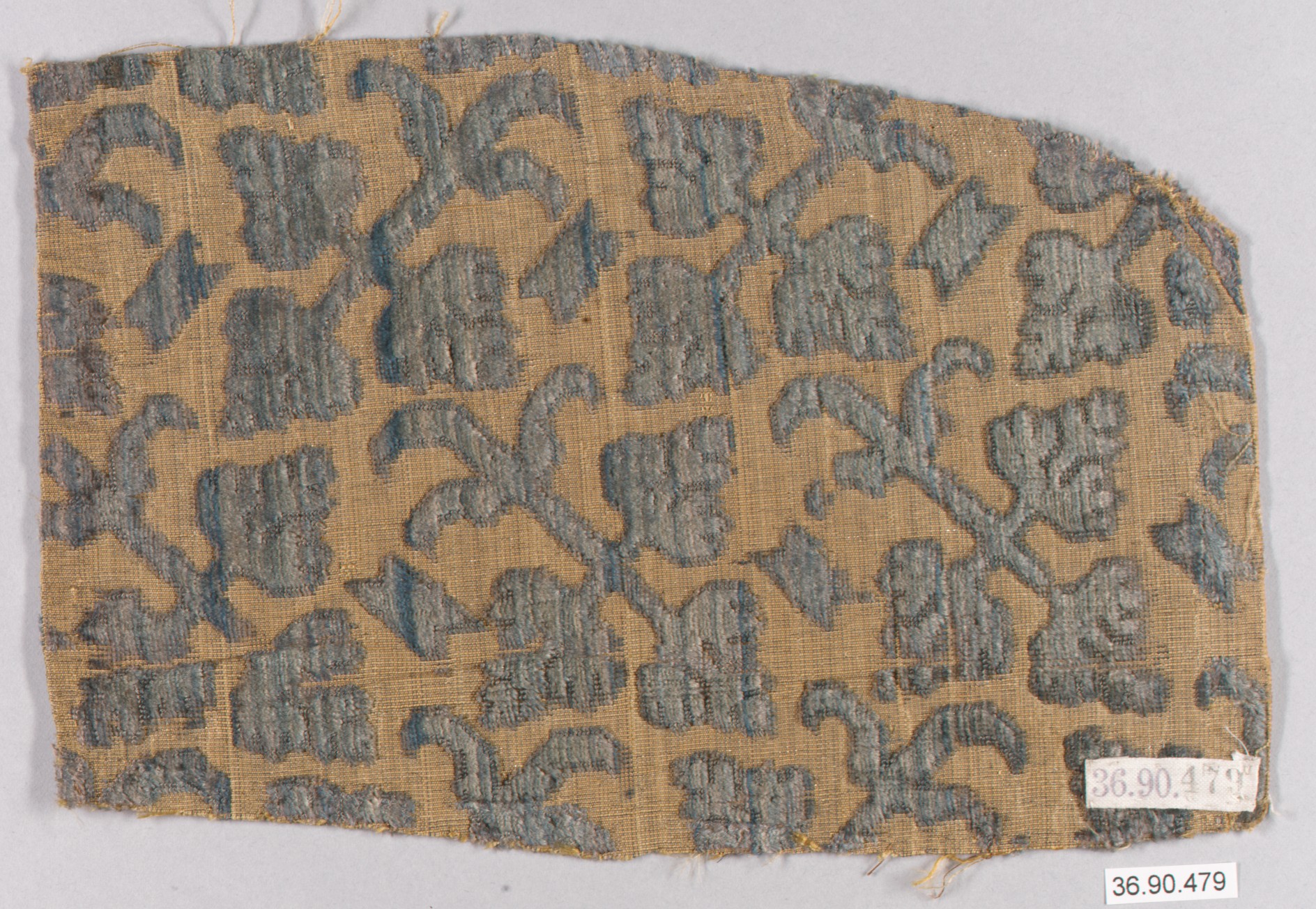
The foundation of this piece is a double-faced silk organza, hand-dyed in Kyoto using a centuries-old shibori resist technique that yields a subtle, undulating topography of indigo and charcoal. This is not a flat surface; it is a landscape of light and shadow, where the warp and weft hold the memory of the artisan’s hands. The silk’s inherent luminosity is amplified by the insertion of gold and palladium threads—not as mere embellishment, but as structural calligraphy. Each thread is hand-twisted with silk filament, creating a composite that is both supple and tensile, allowing the fabric to drape with the weight of history while retaining the fluidity of air.
The metal thread is sourced from a family atelier in Jaipur, where zardozi masters have practiced their craft for seven generations. The thread is not machine-drawn; it is hand-hammered from 24-karat gold and pure silver, then wound around a silk core. This process ensures that each millimeter of thread retains a micro-texture—a slight irregularity that catches light differently with every movement. The result is a surface that oscillates between matte and shimmer, evoking the patina of ancient temple textiles and the precision of modern engineering.
Structural Lexicon: The Architecture of Draped Heritage
The silhouette is a study in controlled asymmetry. A single shoulder is left bare, while the opposite side is encased in a sculptural sleeve that descends into a train of folded silk. This asymmetry is not arbitrary; it references the kimono’s left-over-right closure, a nod to Japanese sartorial tradition, while the train’s cascade echoes the sari’s pallu—the draped end that signifies both modesty and grandeur. The gown’s bodice is constructed from 12 individually molded panels of silk gazar, each hand-stitched with metal thread using a backstitch technique that mimics the precision of a kintsugi repair—celebrating seams as integral to the design rather than hidden.
The waist is cinched not with a belt but with a woven cord of silk and metal, braided in a pattern derived from kente cloth traditions of Ghana. This cord is not merely functional; it is a narrative device, its alternating gold and silver strands representing the duality of day and night, life and spirit, in West African cosmology. Below the waist, the skirt unfurls into a double-layered bell shape, where the outer layer of silk organza floats above an inner layer of hand-embroidered netting. The netting is stitched with thousands of metal thread knots, each one a micro-sculpture that adds weight and texture while maintaining transparency.
Cultural Cartography: Threads Across Continents
This piece is a cartographic act, mapping a global heritage that is not appropriated but recontextualized. The metal thread’s zardozi origin is paired with a Mughal-inspired buta motif that appears at the hem and cuff. But the motif is not static; it is reinterpreted through a contemporary lens, with the teardrop shape elongated into a geometric abstraction that references both Persian miniature painting and modern Op Art. The indigo dye, sourced from a cooperative in the Tokushima prefecture of Japan, is fermented for 18 months—a process that yields a depth of color impossible with synthetic dyes. This indigo is not blue; it is a spectrum of midnight, navy, and violet, shifting with the angle of light.
The piece also incorporates Māori taniko weaving patterns in the metal thread’s placement along the sleeve. These patterns, traditionally used in cloaks to denote status and genealogy, are here rendered as a linear grid that runs vertically from shoulder to wrist. The grid is interrupted by a single, hand-stitched cross-stitch motif derived from Palestinian tatreez embroidery, a symbol of resilience and identity. This juxtaposition is deliberate: it creates a visual dialogue between the Pacific and the Levant, suggesting that heritage is not a fixed point but a web of connections.
Artisanal Virtuosity: The Unseen Labor
The technical execution of this piece required over 1,200 hours of handwork. The silk organza was first hand-dyed in 18 separate baths to achieve the gradation from deep indigo at the hem to near-black at the shoulder. The metal thread was then applied using a couching technique, where the thread is laid on the surface and secured with tiny silk stitches—a method that allows the metal to remain visible and tactile without piercing the fabric. This technique demands extraordinary precision: each stitch must be placed at a consistent tension, or the metal thread will pucker or warp the silk.
The internal structure is equally meticulous. A boned corset of silk satin provides support, but the bones are not steel; they are carved from whalebone (sourced from a pre-1986 museum archive, ensuring ethical provenance). This choice is not nostalgic; it is functional. Whalebone is flexible yet rigid, allowing the corset to move with the body while maintaining the silhouette’s architecture. The corset is lined with hand-dyed silk charmeuse in a flesh-toned peach, ensuring that the garment’s interior is as refined as its exterior—a hallmark of true couture.
Standalone Significance: A Monograph in Fabric
As a standalone study, this piece functions as a monograph—a concentrated exploration of how global heritage can be synthesized into a coherent, contemporary aesthetic. It rejects the notion of cultural fusion as mere pastiche; instead, it treats each tradition as a language, and the designer as a polyglot who composes a new syntax. The gown does not claim to represent any single culture; rather, it celebrates the act of translation—the careful, respectful conversion of textile techniques, motifs, and philosophies into a unified whole.
The piece’s significance lies in its material honesty. The silk and metal thread are not metaphors; they are the substance of the narrative. The gold thread does not symbolize wealth; it is wealth—of time, skill, and provenance. The indigo does not evoke tradition; it is tradition, fermented and fixed into the fabric’s molecular structure. In an era of fast fashion and digital simulacra, this gown demands a different kind of attention: slow, contemplative, and deeply informed.
Conclusion: The Future of Heritage Couture
Katherine Fashion Lab’s silk and metal thread piece is not a garment for the runway alone; it is a provocation. It asks: What does it mean to wear heritage in a globalized world? How can luxury be redefined not by scarcity of materials but by density of meaning? The answer, embedded in every hand-stitched seam and hand-hammered thread, is that true couture is an act of preservation—not of static traditions, but of the living, evolving dialogue between cultures. This piece is a testament to the fact that the most luxurious garment is one that carries the weight of the world, yet feels like a whisper on the skin.