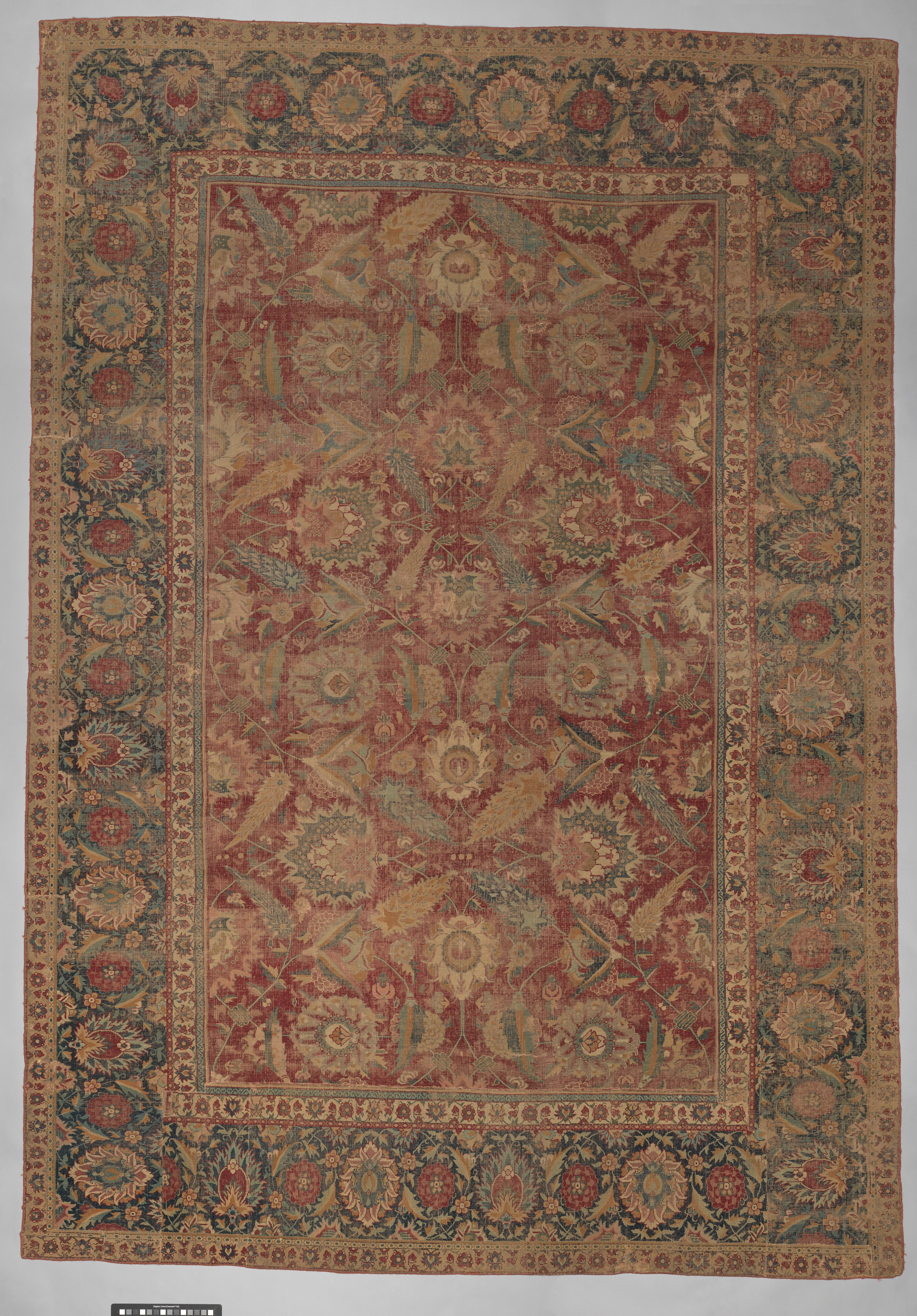
Executive Heritage Analysis: The Carpet as a Symbolic Artifact for High-End Luxury Strategy
In the context of Katherine Fashion Lab’s 2026 luxury strategy, the ancient carpet—specifically rendered in wool—emerges not merely as a functional textile, but as a profound repository of cultural memory, symbolic power, and spiritual resonance. This analysis positions the carpet as a strategic artifact, capable of elevating contemporary luxury narratives by reconnecting affluent consumers with ancestral craftsmanship, ritualistic adornment, and transcendent meaning. By deconstructing the carpet’s origins within ancient civilizations, we uncover a blueprint for heritage-driven brand positioning that speaks to exclusivity, authenticity, and emotional depth.
Symbolic Power: The Carpet as a Vehicle of Status and Cosmic Order
Hierarchical and Political Symbolism
In ancient civilizations—from the Achaemenid Persians to the nomadic Scythians—the handwoven carpet was a primary signifier of power. Royal carpets, often woven with gold threads and intricate medallions, were not mere floor coverings but statements of territorial dominion and divine favor. The Pazyryk carpet, discovered in Siberian permafrost and dating to the 5th century BCE, depicts stylized horsemen and deer, symbolizing the ruler’s command over nature and his role as a mediator between the earthly and celestial realms. For Katherine Fashion Lab, this symbolic power translates into a luxury strategy that positions the carpet as a curated statement of authority—a wearable or interior object that communicates the owner’s refined taste and cultural literacy. In 2026, high-end consumers seek objects that confer distinction, and the ancient carpet’s legacy of political symbolism offers a potent narrative for limited-edition collaborations or bespoke commissions.
Geometric and Protective Motifs
Ancient carpets frequently employed geometric patterns—diamonds, stars, and endless knots—as protective talismans. These motifs were believed to ward off evil spirits and attract prosperity. The repetition of such patterns created a rhythmic, meditative quality that reinforced the carpet’s role as a sacred boundary within domestic and ceremonial spaces. For luxury branding, this protective symbolism aligns with the contemporary desire for safe, curated environments. A Katherine Fashion Lab carpet collection could invoke these ancient geometries not as mere decoration, but as intentional, spiritually charged design elements that offer a sense of sanctuary and psychological comfort to the wearer or owner.
Historical Adornment: The Carpet as a Medium of Identity and Craft
Wool as a Conduit of Memory
The choice of wool as the primary medium is deliberate and historically significant. In ancient civilizations, wool was not simply available; it was ritually important. Sheep were often associated with fertility and abundance, and woolen textiles were used in burial rites, dowries, and temple dedications. The tactile warmth and durability of wool made it a material of longevity—a fabric that could be passed down through generations, carrying the stories and hands of its weavers. For Katherine Fashion Lab, wool becomes a strategic material choice that communicates permanence, heritage, and sustainability. In a 2026 luxury market increasingly focused on slow fashion and provenance, wool carpets—whether as floor pieces, wall hangings, or garment accents—offer a tangible link to ancient traditions, appealing to connoisseurs who value craftsmanship over mass production.
Techniques of Adornment: Dyeing and Weaving as Ritual
Ancient carpet makers employed natural dyes derived from plants, insects, and minerals—each hue carrying symbolic weight. Red, from madder root, signified life and courage; blue, from indigo, represented divinity and wisdom; and yellow, from saffron, denoted royalty and enlightenment. The weaving process itself was a communal, almost devotional act, with female weavers often chanting prayers or reciting epic poems as they worked. This fusion of art and ritual imbued each carpet with a spiritual charge that modern mass production cannot replicate. Katherine Fashion Lab’s 2026 strategy can harness this by partnering with artisan cooperatives that preserve these ancient dyeing and weaving techniques, offering clients a narrative of authenticity and ethical luxury. Each carpet becomes a unique artifact, complete with a provenance card detailing its dyes, weaver, and cultural significance.
Spiritual Meaning: The Carpet as a Portal and Prayer
The Sacred Threshold
In many ancient cultures, the carpet served as a liminal object—a threshold between the mundane and the divine. Nomadic tribes would lay carpets at the entrance of their tents to purify those entering, while temple carpets were used to delineate sacred spaces for prayer and meditation. The act of walking on a carpet was seen as a physical and spiritual grounding, connecting the individual to the earth and to the cosmos. For high-end luxury, this spiritual dimension offers a powerful differentiator. A Katherine Fashion Lab carpet is not just a product; it is an instrument of mindfulness—a piece that invites the owner to pause, reflect, and connect with a deeper sense of self. In an era of digital overload, such objects hold immense appeal for the discerning consumer seeking meaning and tranquility.
Ritual Use and Transcendence
The prayer rug, a specific evolution of the ancient carpet, exemplifies the fusion of function and spirituality. Its design often includes a mihrab (prayer niche) that orients the user toward Mecca, transforming the rug into a portal for divine communication. This concept of the carpet as a vessel for transcendence can inspire Katherine Fashion Lab’s 2026 collections. Imagine a limited-edition series of carpets designed for meditation, yoga, or personal reflection—each woven with intentional geometry and natural dyes that enhance focus and calm. Such products cater to the luxury wellness market, which is projected to grow significantly by 2026, and position the brand at the intersection of heritage, spirituality, and modern self-care.
2026 High-End Luxury Strategy: Integrating the Carpet into a Heritage Portfolio
Strategic Positioning: From Commodity to Cultural Artifact
To leverage the carpet’s heritage, Katherine Fashion Lab must reposition it as a cultural artifact rather than a decorative accessory. This requires a multi-tiered strategy:
1. Collaborations with Living Traditions: Partner with master weavers from regions like Uzbekistan, Iran, or the Caucasus, whose families have practiced the craft for centuries. These collaborations should be framed as “rescue missions” for endangered techniques, appealing to the luxury consumer’s desire for preservation and exclusivity.
2. Limited-Edition Drops: Release carpets in extremely small batches (e.g., 10–50 pieces per design), each numbered and accompanied by a certificate of authenticity that includes the weaver’s name, the dye sources, and the cultural symbolism of the motifs. This scarcity drives desirability and justifies premium pricing.
3. Immersive Storytelling: Use digital and physical spaces to tell the carpet’s story. For example, a flagship store could feature a “weaving journey” exhibit, where clients can watch artisans at work or participate in a short workshop. This experiential layer transforms the purchase into a meaningful event.
Product Diversification: Wearable and Spatial Luxury
The carpet’s heritage can be extended beyond floor coverings. Katherine Fashion Lab could develop:
Wearable Carpet Textiles: Coats, capes, and shawls woven with ancient carpet techniques, using lightweight wool blends. These items would be both statement pieces and conversation starters, carrying the symbolic weight of the carpet into the realm of fashion.
Wall Hangings and Tapestries: Designed as focal points for luxury interiors, these pieces would serve as modern-day altarpieces, inviting contemplation and admiration.
Accessories: Small-scale items like clutches, belts, or jewelry boxes, woven with miniature carpet motifs, offering entry-level price points for younger luxury consumers.
Pricing and Exclusivity Architecture
Given the labor-intensive process and the cultural significance, pricing should reflect the object’s status as investment-grade art. A standard 6x9-foot wool carpet might retail between $15,000 and $50,000, while one-of-a-kind commissions could exceed $100,000. The brand should also offer a “heritage buy-back” program, where clients can return carpets after a set period for resale or trade-in, reinforcing the carpet’s value as an appreciating asset.
Conclusion: The Carpet as a Strategic Pillar for Katherine Fashion Lab
The ancient wool carpet is far more than a textile; it is a symbolic, historical, and spiritual artifact that resonates deeply with the values of high-end luxury in 2026—authenticity, craftsmanship, meaning, and exclusivity. By honoring its origins while innovating for contemporary contexts, Katherine Fashion Lab can create a heritage-driven product line that not only differentiates the brand but also elevates the consumer’s relationship with material culture. In a market saturated with ephemeral trends, the carpet offers permanence, story, and soul—qualities that define true luxury.