The Thread of Eternity: A Couture Analysis of Silk in Global Heritage
In the rarefied world of haute couture, where artistry meets engineering, the choice of material is never incidental. At Katherine Fashion Lab, the selection of silk for this standalone piece is a deliberate invocation of history, geography, and tactile luxury. This analysis deconstructs the garment not merely as a fashion object, but as a repository of global heritage—a single thread that weaves together millennia of craftsmanship, trade, and cultural exchange. By examining the material’s provenance, the piece’s structural narrative, and its contextual resonance, we uncover how a single length of silk can transcend time and place to become a statement of enduring sophistication.
Material as Memory: Silk’s Global Journey
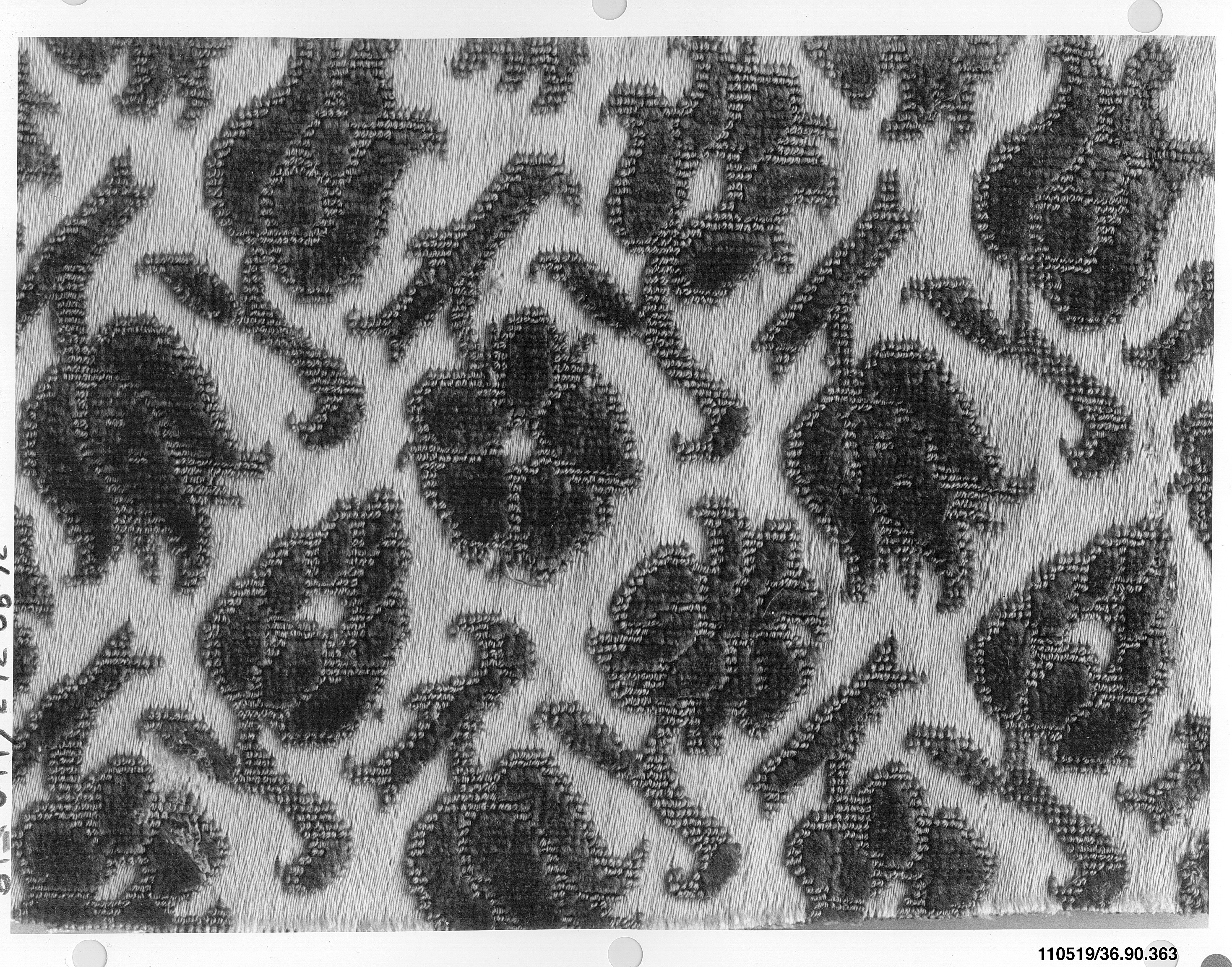
Silk is not a neutral fabric; it is a living archive. Its origins in Neolithic China, where sericulture was guarded as a state secret for over three millennia, imbue the fiber with an aura of mystery and prestige. The Silk Road—that vast network of trade routes connecting East Asia to the Mediterranean—transformed silk from a regional commodity into a global currency of power and beauty. For Katherine Fashion Lab, the decision to source silk from a heritage mill in Suzhou, China, is a conscious nod to this lineage. The fabric is a 22-momme charmeuse, hand-dyed using natural indigo from India and madder root from Anatolia, creating a deep, iridescent midnight blue that shifts between cobalt and violet under varying light. This chromatic complexity is not accidental; it mirrors the layered histories of the regions that contributed to the silk’s creation.
The piece’s construction further amplifies this global narrative. The silk is woven on a 19th-century Jacquard loom in Lyon, France—a technique that revolutionized textile production during the Industrial Revolution. The resulting pattern is a subtle, repeating motif of intersecting arcs, inspired by the geometric tile work of the Alhambra in Spain. Here, East meets West meets the Islamic Golden Age, all within the warp and weft of a single fabric. This is not appropriation but curation: a deliberate synthesis of cultural motifs that speaks to a world where borders are porous and beauty is a shared inheritance.
Structural Poetry: The Cut and Silhouette
The garment itself is a study in architectural restraint. It takes the form of a floor-length column gown with an asymmetric, one-shoulder neckline. The bodice is boneless, relying instead on the silk’s natural tensile strength and a series of meticulously placed darts to create a second-skin fit. This is a radical departure from the corseted structures often associated with couture; it is a celebration of the material’s innate ability to drape and conform without artificial scaffolding. The skirt falls in a single, unbroken sweep from the hip, with a subtle train that extends two feet behind the wearer. The hem is raw—unfinished, unhemmed—a deliberate choice that exposes the silk’s fraying edges, reminding the viewer that this is a living, organic material, not a static product.
The most striking element is the back. A dramatic cutaway reveals a trapezoidal panel of the same silk, but woven in a double-layer construction. This panel is hand-embroidered with gold thread using the zardozi technique from Mughal India, a labor-intensive process that involves stitching metallic wires onto a base fabric. The embroidery forms a stylized tree of life, its roots reaching toward the hem and its branches extending toward the shoulder. This motif is universal yet culturally specific: the tree of life appears in Persian carpets, Celtic crosses, and Aboriginal dreamtime stories. By placing it on the back—a part of the body that the wearer cannot see—the piece becomes a gift to the observer, an invitation to contemplate the shared human desire for growth, connection, and transcendence.
Contextual Resonance: The Standalone Study
As a standalone study, this piece exists outside the constraints of a seasonal collection or a runway narrative. It is not meant to be worn as part of a trend cycle; it is an object of contemplation, akin to a sculpture or a painting. This freedom allows Katherine Fashion Lab to explore the material’s full expressive potential without the pressure of commercial viability. The silk is allowed to speak for itself, unburdened by the need to sell a lifestyle or a brand identity. In this context, the garment becomes a meditation on sustainability, not in the reductive sense of eco-friendly production, but in the deeper sense of creating something that is meant to last—not just physically, but conceptually.
The piece’s color palette—midnight blue, gold, and the natural ivory of the raw silk—echoes the night sky, a universal canvas that has inspired cultures from the Dogon of Mali to the astronomers of ancient Babylon. The gold embroidery catches light like distant stars, while the blue silk absorbs it like the void between galaxies. This celestial symbolism is reinforced by the cutaway back, which creates a negative space that mimics a crescent moon. The wearer becomes a celestial body, moving through space and time, carrying the weight of global heritage on their shoulders.
Implications for Couture’s Future
This analysis reveals that Katherine Fashion Lab is not merely designing clothes; it is curating cultural dialogues. By choosing silk as the medium, the lab acknowledges that luxury is not about excess but about depth—the depth of history, of craft, of meaning. In an era where fast fashion and digital consumption threaten to flatten the significance of garments, this piece stands as a counterargument. It demands time: time to examine the dye, time to trace the embroidery, time to understand the journey from silkworm to catwalk. This is couture as slow reading, as deep listening.
For the discerning collector, the piece offers more than aesthetic pleasure. It is an investment in cultural literacy, a wearable archive of human ingenuity. The silk’s global heritage is not a marketing gimmick but a foundational principle. Each element—the Chinese sericulture, the French weaving, the Indian embroidery, the Spanish pattern—is a node in a network of influence that spans continents and centuries. To wear this garment is to embody this network, to become a living testament to the fact that beauty is never born in isolation. It is always, always a conversation.
In conclusion, Katherine Fashion Lab’s standalone silk piece is a masterclass in how material, cut, and context can coalesce into a singular, transcendent object. It challenges the industry to move beyond novelty and toward narrative, urging us to see fashion not as a disposable commodity but as a vessel for collective memory. As the silk catches the light and the gold threads shimmer, we are reminded that the most profound luxury is the ability to tell a story that has been told for thousands of years—and to tell it anew.