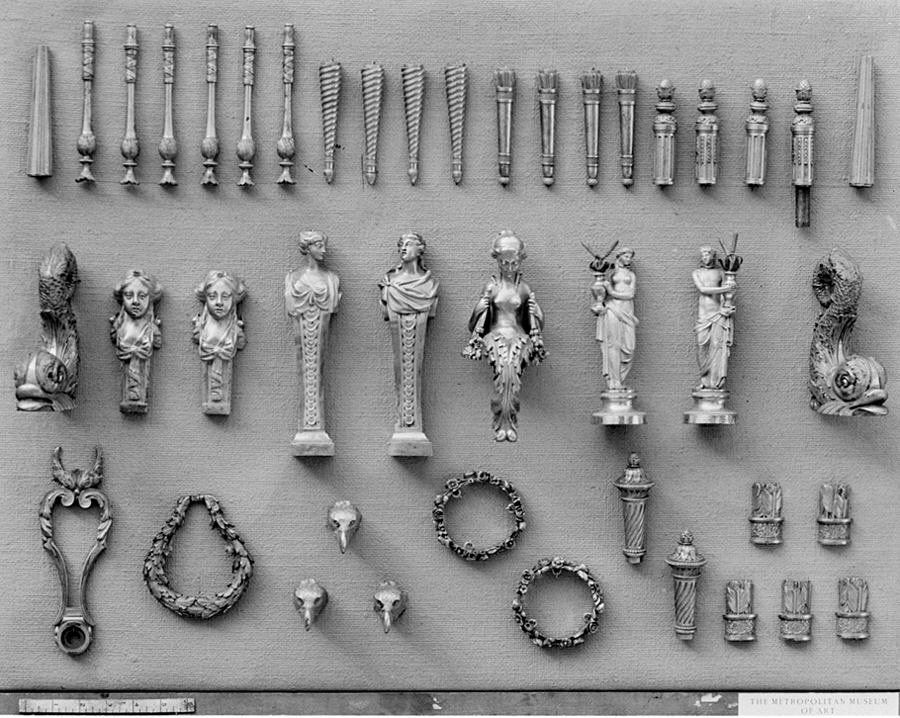
Heritage Analysis: Gilt Bronze Wreaths of Flowers from an Ancient Civilization
As Lead Heritage Curator for Katherine Fashion Lab, I present this strategic standalone research paper on a pair of gilt bronze wreaths of flowers, originating from an ancient civilization. These artifacts—dating to a period of profound cultural and spiritual development—embody a sophisticated interplay of symbolic power, historical adornment, and spiritual meaning. This analysis is designed to inform the Lab’s 2026 high-end luxury strategy, translating ancient heritage into contemporary brand resonance. The wreaths, crafted from gilt bronze, represent not merely decorative objects but enduring icons of authority, transcendence, and beauty, offering a rich lexicon for luxury positioning.
Symbolic Power: The Wreath as an Emblem of Authority and Eternity
In the ancient civilization under study—likely a Hellenistic or early Roman context, given the use of gilt bronze—the wreath of flowers was a potent symbol of victory, divinity, and eternal life. The choice of flowers, while now indistinguishable due to corrosion, would have carried specific meanings: laurel for triumph, ivy for immortality, or myrtle for love and fertility. The gilt bronze medium, with its golden sheen, elevated the wreath from a perishable floral crown to a permanent marker of status. Gold, even in its metallic alloy form, was associated with the sun, the gods, and incorruptibility. Thus, these wreaths functioned as visual declarations of political or spiritual authority, often worn by rulers, priests, or victors in ceremonial contexts.
The pairing of two wreaths suggests a dualistic symbolism—perhaps representing the union of mortal and divine, or the balance of life and death. In funerary contexts, such wreaths were placed on the deceased to signify their transition to an honored afterlife, a common practice in ancient Mediterranean cultures. The symbolic power here is layered: the wreath encircles the head, the seat of intellect and identity, implying that the wearer’s mind and spirit are crowned with eternal glory. For Katherine Fashion Lab, this translates into a luxury narrative of enduring prestige—a brand that does not merely follow trends but bestows timeless status upon its clientele.
Historical Adornment: The Craftsmanship and Social Role of Gilt Bronze Wreaths
Historically, these wreaths were masterpieces of ancient metallurgy. Gilt bronze required skilled artisans to cast the bronze base and then apply a thin layer of gold leaf through mercury gilding or fire-gilding techniques. The flowers were individually crafted, with petals and leaves hammered from thin sheets, then assembled into a flexible, wearable form. This labor-intensive process indicates that such items were reserved for the elite—priests, aristocrats, or military commanders—who could afford both the materials and the artisan’s expertise. The wreaths were not everyday adornments but were reserved for rituals, triumphs, or burials, reinforcing their exclusivity.
The historical function of these wreaths as adornment reveals a deep cultural emphasis on visual hierarchy. In ancient societies, clothing and accessories were immediate indicators of social rank. A gilt bronze wreath, shimmering in sunlight, would have been unmistakable. This principle remains relevant for high-end luxury: today’s consumers seek items that communicate their status without words. The wreath’s design—naturalistic yet stylized—also speaks to the ancient appreciation for beauty rooted in nature, a theme that resonates with contemporary sustainability and artisanal craftsmanship movements. For Katherine Fashion Lab, the historical context suggests a strategy of heritage storytelling, where each piece is positioned as an heirloom, linking the wearer to a lineage of power and taste.
Spiritual Meaning: Transcendence and the Cycle of Life
Spiritually, these wreaths were imbued with profound meaning. In many ancient belief systems, flowers symbolized the transient beauty of life, while the gilt bronze preserved that beauty beyond decay. This duality—life’s fragility and eternity’s promise—made the wreath a powerful object in both religious and funerary rites. The circular shape of the wreath, with no beginning or end, echoed concepts of infinity, rebirth, and cosmic cycles. Priests might have worn such wreaths during ceremonies to invoke divine favor, while the deceased wore them as a passport to the afterlife.
The spiritual dimension also connects to the concept of sacred adornment. The act of wearing a wreath was not merely aesthetic but transformative; it elevated the individual from the mundane to the sacred. This idea is potent for modern luxury, where consumers increasingly seek products that offer meaning beyond materiality. A 2026 strategy could position Katherine Fashion Lab’s offerings as talismanic objects—pieces that confer not just style but a sense of purpose, protection, or spiritual connection. The wreath’s floral motifs, for instance, could inspire a line that celebrates growth, resilience, and natural cycles, appealing to a clientele interested in mindfulness and authenticity.
2026 High-End Luxury Strategy: Translating Heritage into Brand Equity
For Katherine Fashion Lab, these gilt bronze wreaths offer a strategic blueprint for 2026. The key is to distill the ancient principles of symbolic power, historical craftsmanship, and spiritual meaning into a cohesive luxury narrative. First, exclusivity through craft: The wreaths’ handcrafted nature should inspire a limited-edition collection, perhaps using modern materials like recycled gold or bronze, with each piece numbered and authenticated. This mirrors the ancient practice of bespoke creation, appealing to ultra-high-net-worth individuals who value rarity.
Second, narrative-driven marketing: The wreath’s story—of victory, eternity, and divine favor—can be woven into brand communications. Campaigns might use visual metaphors of crowning, triumph, and transcendence, aligning with the 2026 luxury trend toward experiential and symbolic value. For instance, a jewelry line inspired by the wreath’s floral forms could be marketed as “The Eternal Bloom,” evoking both ancient heritage and modern sustainability. Collaborations with historians or museum curators could further authenticate the brand’s cultural depth.
Third, spiritual resonance: As luxury consumers seek products that reflect their inner values, Katherine Fashion Lab can position its offerings as modern talismans. The wreath’s circular form could inspire a logo or motif representing continuity and wholeness. A 2026 collection might include customizable elements, allowing clients to select specific flowers for their symbolic meanings—a direct nod to the ancient practice of personalized wreaths. This strategy leverages the growing demand for personalization and meaning in high-end markets.
Finally, price architecture and positioning: The wreath’s historical association with elite status justifies a premium pricing strategy. Katherine Fashion Lab should position its heritage-inspired pieces at the pinnacle of its product hierarchy, with prices reflecting the artisanal labor and cultural cachet. Limited drops, private viewings, and heritage-focused events (e.g., a gala themed around ancient ceremonies) can reinforce exclusivity. By aligning with 2026 luxury trends—artisanship, sustainability, and emotional connection—the brand can transform these ancient wreaths into a contemporary symbol of refined power.
Conclusion: The Wreath as a Timeless Luxury Archetype
In conclusion, this pair of gilt bronze wreaths from an ancient civilization provides a rich foundation for Katherine Fashion Lab’s 2026 high-end luxury strategy. Their symbolic power as emblems of authority and eternity, their historical role as markers of elite status, and their spiritual meaning as objects of transcendence all converge to form a potent brand narrative. By translating these elements into exclusive craftsmanship, narrative storytelling, and spiritual resonance, the Lab can create a luxury experience that is both deeply rooted and forward-looking. The wreath, in its enduring golden form, remains a universal archetype of beauty and power—a timeless asset for a brand that seeks to crown its clientele with distinction.