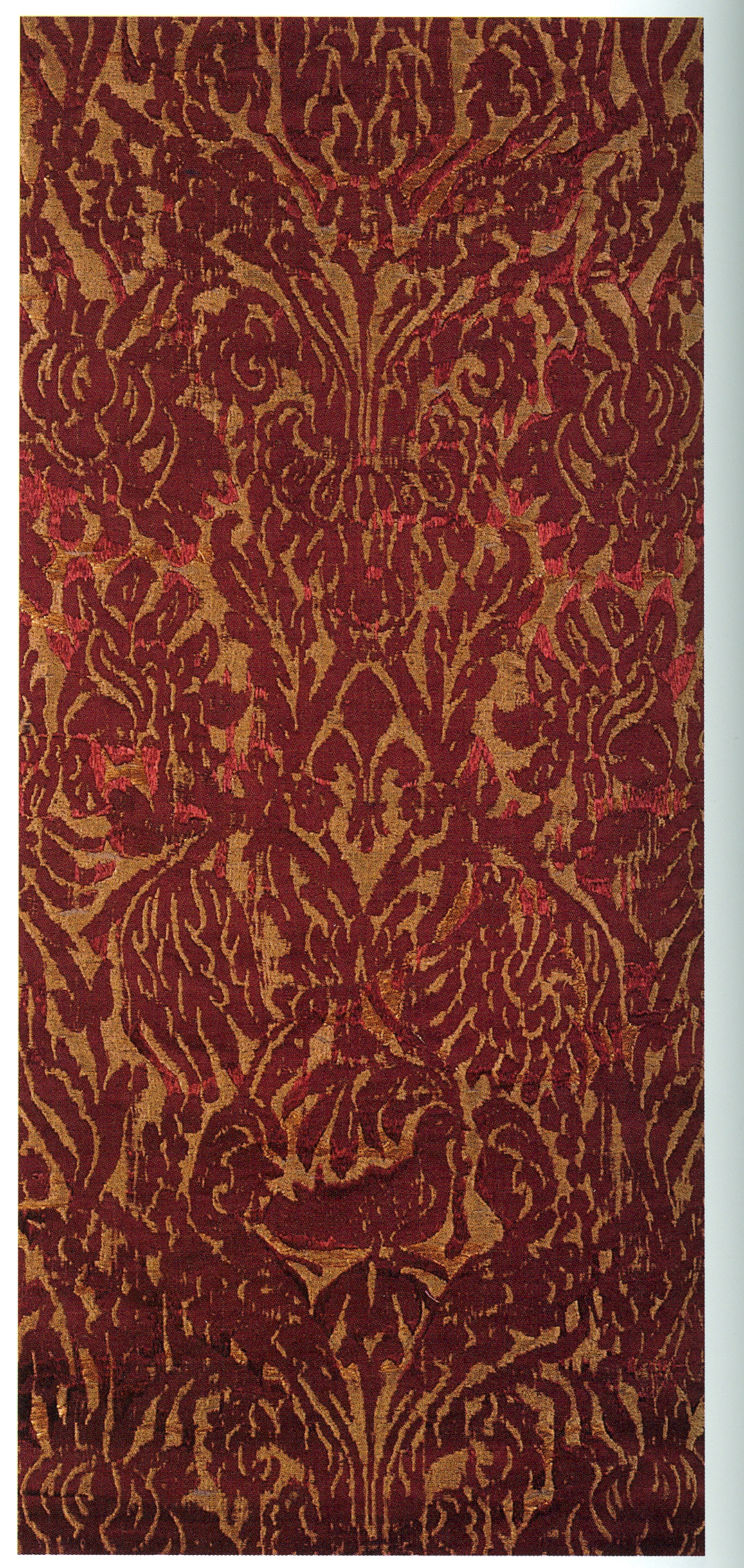
Heritage Analysis: The Panel as a Conduit of Symbolic Power and Luxury Strategy
As Lead Heritage Curator for Katherine Fashion Lab, I present this strategic standalone research on the Panel—a textile artifact of Italian or Spanish origin, constructed from silk, metal, cotton, and hemp. This analysis unpacks the panel’s role as a vessel for symbolic power, historical adornment, and spiritual meaning, while delineating a 2026 high-end luxury strategy. The panel, historically a decorative or functional textile segment, embodies a convergence of material wealth, cultural narrative, and metaphysical significance. For Katherine Fashion Lab, this artifact offers a blueprint for reimagining luxury as an immersive, symbolic experience.
Symbolic Power and Historical Adornment
The Panel as a Signifier of Status and Authority
In Italian and Spanish Renaissance contexts, the panel was not merely a textile but a signifier of dynastic power. Woven with silk and metallic threads—often gold or silver—these panels adorned ecclesiastical vestments, noble garments, and palatial interiors. The inclusion of metal threads, frequently gilded, transformed the panel into a luminous emblem of wealth and divine favor. For instance, Spanish bordados (embroidered panels) on liturgical copes communicated the authority of the Catholic Church, while Italian panni d’oro (gold cloth panels) were reserved for the Medici and other mercantile elites. The panel’s symbolic power lay in its ability to materialize hierarchy: the interplay of light on metallic threads created a visual aura that distinguished the wearer or owner as divinely ordained.
Historical Adornment: From Functional to Ornamental
The panel’s evolution from a utilitarian textile (e.g., altar cloths, wall hangings) to a form of personal adornment reflects broader shifts in European material culture. In 15th-century Spain, hemp and cotton panels were used as undergarment supports, while silk and metal panels became detachable sleeves, collars, or bodice inserts for aristocratic women. This dual functionality—structural and decorative—underscores the panel’s role as a liminal object bridging the sacred and the profane. The material contrast between humble hemp and luxurious silk mirrors the tension between humility and opulence in Catholic iconography. For Katherine Fashion Lab, this historical precedent suggests that modern luxury can integrate contrasting textures—rough hemp with smooth silk—to evoke narrative depth and tactile intrigue.
Spiritual Meaning and Material Alchemy
The Sacred Geometry of the Panel
Italian and Spanish panels often incorporated religious iconography: the pomegranate (fertility and resurrection), the fleur-de-lis (purity and the Virgin Mary), or the pietra dura motif (eternity). These symbols were not merely decorative but served as spiritual talismans. The metal threads, particularly silver and gold, were believed to reflect divine light, acting as conduits for prayer. In Spanish telas de seda (silk panels) used in processional banners, the interplay of silk and metal created a shimmering effect intended to mimic the celestial realm. This alchemical transformation—base materials into sacred objects—positions the panel as a medium for spiritual transcendence. For Katherine Fashion Lab, this suggests that 2026 luxury can harness material alchemy: using silk and metal to create pieces that feel both earthly and ethereal, appealing to consumers seeking meaning beyond aesthetics.
Ritual and the Panel in Iberian and Italian Culture
The panel’s spiritual meaning was amplified through ritual use. In Spanish Semana Santa (Holy Week) processions, embroidered panels on pasos (floats) were venerated as relics, their silk and metal threads kissed by the faithful. In Italian palii (ceremonial banners), panels were carried into battle as protective talismans. This ritualistic dimension imbued the panel with apotropaic power—the ability to ward off evil. The inclusion of hemp, a material associated with penitence and humility, grounded these objects in human vulnerability, while silk and metal elevated them to the divine. For a 2026 strategy, Katherine Fashion Lab can leverage this duality by creating ritualistic collections—panels designed for ceremonial dressing, meditation, or symbolic protection, tapping into the growing demand for spiritual wellness in luxury markets.
2026 High-End Luxury Strategy: The Panel as a Strategic Asset
Material Innovation and Craft Narrative
The panel’s material composition—silk, metal, cotton, hemp—offers a strategic template for 2026 luxury. Silk represents sensuality and exclusivity; metal connotes permanence and value; cotton signifies comfort and accessibility; hemp embodies sustainability and heritage. Katherine Fashion Lab can position the panel as a heritage-tech hybrid: using ethically sourced hemp from Spain (e.g., from the Basque region) and Italian silk from Como, while incorporating recycled metal threads to align with circular economy principles. The craft narrative should emphasize artisanal techniques—hand-embroidery, metallic weaving, and natural dyeing—as a counterpoint to mass production. This narrative aligns with the 2026 luxury trend of slow fashion and craft luxury, where consumers pay premium prices for provenance and skill.
Symbolic Marketing and Experiential Retail
The panel’s symbolic power can be translated into immersive brand experiences. For 2026, Katherine Fashion Lab should develop a “Panel as Portal” collection, where each piece is accompanied by a digital or physical narrative of its symbolic origins—e.g., a pomegranate-embroidered panel representing fertility and abundance. Retail spaces can incorporate ritualistic displays: panels suspended in light boxes to mimic ecclesiastical illumination, or interactive stations where clients feel the contrast of hemp and silk. This experiential luxury approach taps into the 2026 consumer desire for emotional resonance and cultural capital. Additionally, limited-edition panels can be marketed as investment pieces, with certificates of authenticity detailing the artisan’s lineage and the material’s provenance—a strategy that echoes the historical value of Renaissance panels as heirlooms.
Strategic Partnerships and Cultural Authority
To solidify its position as a heritage curator, Katherine Fashion Lab should forge partnerships with Spanish and Italian cultural institutions. Collaborations with the Museo del Prado (Madrid) or the Museo del Tessuto (Prato, Italy) can yield exclusive reproductions of historical panels, reimagined for contemporary wear. These partnerships confer cultural authority and authenticate the brand’s narrative. For 2026, a capsule collection inspired by Spanish bordados from Seville’s cathedral archives—featuring silk, metal, and hemp—could be launched as a philanthropic initiative, with proceeds funding textile conservation. This aligns with the luxury sector’s shift toward purpose-driven branding and cultural stewardship.
Conclusion: The Panel as a Blueprint for 2026 Luxury
The panel, in its Italian and Spanish manifestations, is far more than a textile fragment. It is a repository of symbolic power, a medium of historical adornment, and a vessel for spiritual meaning. For Katherine Fashion Lab, the panel offers a strategic roadmap for 2026 high-end luxury: one that prioritizes material integrity, craft narrative, and experiential depth. By weaving together silk, metal, cotton, and hemp—and the cultural stories they carry—the brand can create pieces that transcend fashion to become artifacts of meaning. This heritage analysis affirms that the panel’s enduring relevance lies not in its form but in its capacity to connect the wearer to history, spirituality, and the sublime—a connection that defines the future of luxury.