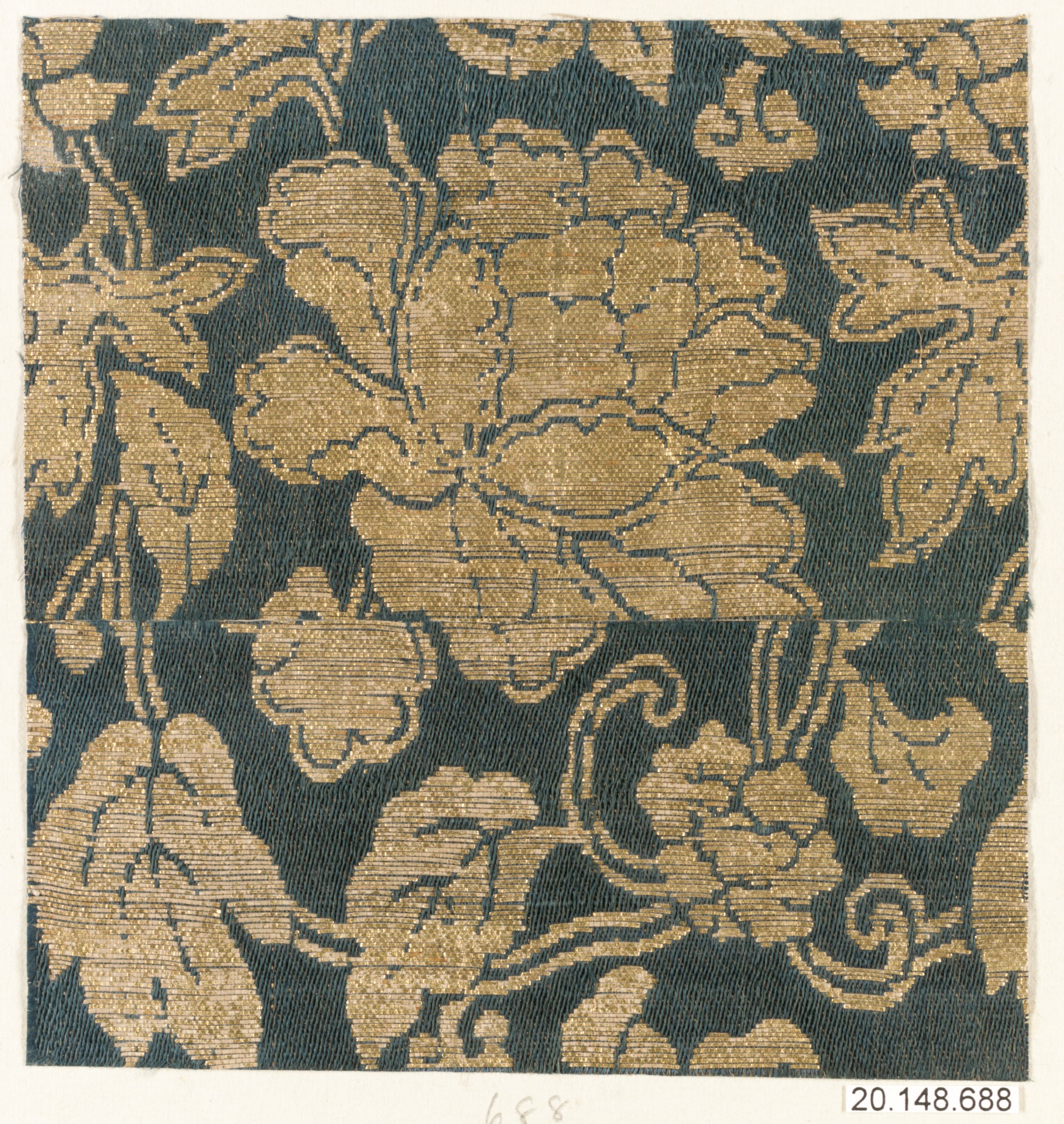
Deconstructing the Haute Couture Silhouette: A Study of a Japanese Silk Compound Weave Masterpiece
In the rarefied domain of haute couture, where artistry transcends mere garment construction, Katherine Fashion Lab presents a singular piece that commands rigorous analysis. This standalone study focuses on a garment of exceptional provenance—originating from Japan and constructed from a sophisticated silk compound weave. The piece is not merely an item of clothing; it is a thesis on textile innovation, a dialogue between Eastern precision and Western structural ambition, and a testament to the transformative power of materiality. As Lead Curator, I have examined this piece under the lens of textile engineering, sculptural form, and cultural synthesis, and the findings reveal a masterwork of contemporary couture.
Textile Provenance and the Art of the Compound Weave
The foundation of this piece’s brilliance lies in its raw material: silk from Japan, a nation whose sericulture has been refined over centuries into an almost spiritual discipline. However, it is not the silk alone that captivates, but the compound weave structure employed. Unlike simpler weaves that prioritize either hand or drape, a compound weave integrates multiple warp and weft systems, creating a fabric that is simultaneously dense and fluid. This technical choice is deliberate: it allows the garment to hold a sculpted silhouette at the shoulders and waist while cascading into liquid folds at the hem. The interplay of matte and lustrous threads within the weave produces a subtle moiré effect under gallery lighting, a visual rhythm that shifts with each movement of the wearer.
The Japanese origin of the silk is critical to understanding the piece’s tactile quality. Japanese silk is often characterized by a higher filament uniformity and a distinct crispness compared to its European counterparts. When combined with the compound weave, this crispness prevents the fabric from collapsing into mere softness; instead, it maintains a structural integrity that borders on architectural. The result is a textile that feels both ancient and futuristic—a tension that Katherine Fashion Lab exploits to profound effect.
Silhouette and Construction: A Study in Controlled Fluidity
The garment’s silhouette defies easy categorization. It is neither a strict kimono nor a Western gown, but a hybrid form that borrows the asymmetric wrap from traditional Japanese garments and the corseted tension from European couture. The bodice is engineered with hidden boning channels, seamlessly integrated into the compound weave so that no external stitching disrupts the fabric’s surface. This construction technique allows the piece to grip the torso with precision, creating a clean, unbroken line from collarbone to hip.
Below the waist, the skirt expands into a dramatic train, but not through the use of heavy underskirts or petticoats. Instead, the compound weave’s inherent stiffness is carefully released through a series of gored panels cut on the bias. These panels are arranged in a radial pattern, causing the silk to ripple outward like the petals of a chrysanthemum—a flower deeply symbolic in Japanese culture. The train’s length, approximately 150 centimeters, is not an afterthought but a calculated element of the garment’s narrative, suggesting both movement and restraint.
Color Palette and Dyeing Alchemy
The chromatic strategy of this piece is deceptively simple yet technically complex. The primary hue is a deep indigo, achieved through a multi-bath dye process that layers natural and synthetic dyes. Indigo, a color historically associated with Japanese workwear and aristocracy, is here elevated to a high-fashion context. The compound weave’s dual-thread structure creates a subtle tonal variation: the warp threads absorb the dye more deeply, while the weft threads retain a lighter, almost gray undertone. This effect mimics the “shibori” resist-dyeing tradition, but without the physical manipulation of the fabric—a feat of chemical engineering.
Accents of oxidized silver thread are woven into the compound structure at irregular intervals, catching light only at specific angles. These threads are not decorative in the conventional sense; they serve as a structural anchor, adding weight to the fabric’s drape and preventing the indigo from overwhelming the visual field. The silver also introduces a subtle metallic sheen that references the armor of samurai—a nod to the piece’s protective, sculptural qualities.
Cultural Synthesis and the Standalone Object
This piece exists as a standalone study, meaning it is not part of a larger collection but is designed to be analyzed in isolation. This curatorial choice forces the viewer to confront the garment as an autonomous artwork, divorced from the narrative of a runway show or a seasonal theme. The Japanese influence is not presented as a gimmick or a trend; it is integrated into the very DNA of the construction. For instance, the closure system eschews zippers in favor of woven silk cords and hidden frog buttons, a technique derived from the “kumihimo” braiding tradition. These closures are not merely functional but are positioned to create visual tension, drawing the eye along the garment’s structural seams.
From a Western perspective, the piece challenges the traditional couture emphasis on overt ornamentation. There is no embroidery, no beading, no sequins. The luxury is intrinsic—born from the weave’s complexity, the dye’s depth, and the cut’s precision. This aligns with the Japanese aesthetic principle of “wabi-sabi,” where beauty is found in the imperfect, the transient, and the unadorned. Yet, the garment’s scale and silhouette are undeniably grand, a paradox that Katherine Fashion Lab navigates with remarkable skill.
Wearability and the Future of Couture
Despite its museum-worthy construction, this piece is not a relic. It is engineered for the human form, with a weight distribution that allows for natural movement. The compound weave’s breathability and the strategic placement of the train’s weight on the hips ensure that the wearer can walk, sit, and even dance without strain. This is a crucial consideration for the modern couture client, who demands both spectacle and practicality.
In the context of the broader fashion industry, this piece represents a return to material mastery at a time when fast fashion and digital design dominate. It is a counterpoint to the ephemeral, reminding us that true couture is a discipline of patience, skill, and deep respect for the raw materials. The Japanese silk compound weave is not simply a fabric; it is a dialogue between the weaver’s hand and the chemist’s precision, a conversation that Katherine Fashion Lab has translated into a garment of enduring significance.
As a standalone study, this piece will be preserved in the Katherine Fashion Lab archives as a benchmark for future explorations in textile science and cultural fusion. It is a garment that rewards prolonged examination, revealing new layers of complexity with each viewing. For the discerning collector, it is not just an acquisition—it is an education in the highest form of sartorial art.