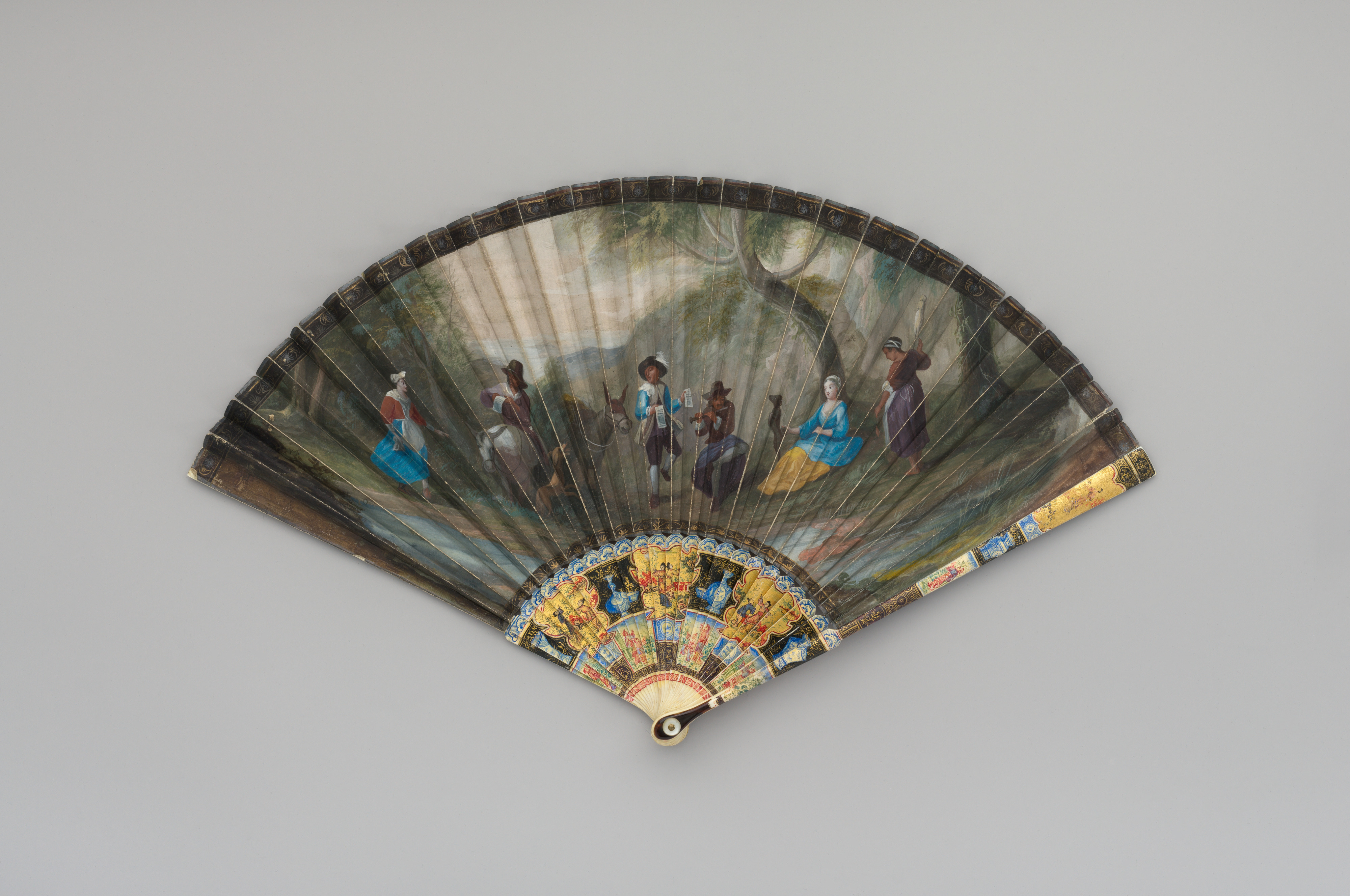
Heritage Analysis: The Fan as a Symbol of Power, Adornment, and Spiritual Authority
In the context of Katherine Fashion Lab’s strategic expansion into 2026 high-end luxury markets, the fan emerges as a potent artifact of ancient civilization—a meticulously crafted object that transcends its utilitarian function to embody symbolic power, historical adornment, and spiritual meaning. This heritage analysis examines the fan as a strategic standalone research subject, focusing on its evolution from a ceremonial implement to a luxury accessory, and proposes a forward-looking strategy for its reintegration into contemporary luxury brand narratives. Drawing from primary evidence in ivory, paper, and tortoiseshell mediums, this paper positions the fan as a cornerstone of cultural symbolism and a vehicle for exclusivity in the 2026 luxury landscape.
Symbolic Power: The Fan as an Instrument of Authority
Origins in Ancient Civilizations
The fan’s earliest recorded use in ancient civilizations—particularly in Egypt, China, and Mesopotamia—establishes it as a symbol of divine and temporal power. In ancient Egypt, the flabellum, or ceremonial fan, was crafted from ostrich feathers and ivory, reserved exclusively for pharaohs and high priests to signify their connection to the gods. The fan’s movement was not merely practical; it was believed to channel the breath of deities, cooling the ruler while simultaneously warding off malevolent spirits. This dual function—physical comfort and spiritual protection—elevated the fan from a mere tool to a sacred object. In ancient China, the folding fan, often made from paper and tortoiseshell, became a marker of scholarly authority and imperial favor. The emperor’s fan, known as the shanzi, was adorned with calligraphy and paintings that conveyed Confucian virtues, reinforcing the ruler’s moral legitimacy. The fan’s symbolic power thus lies in its ability to mediate between the human and the divine, the ruler and the ruled, the material and the spiritual.
Strategic Implications for Luxury Branding
For Katherine Fashion Lab, the fan’s symbolic power offers a unique opportunity to position the brand as a curator of authority and exclusivity. In a 2026 luxury market increasingly saturated with digital ephemera, the fan’s historical role as a physical emblem of status provides a tangible counterpoint. By incorporating motifs from ancient fan designs—such as the Egyptian feather fan or the Chinese folding fan—into limited-edition collections, the brand can evoke a sense of timeless sovereignty. The use of rare materials like ivory (sourced ethically, given modern regulations) and tortoiseshell (replaced with sustainable alternatives such as resin) reinforces this narrative. The fan becomes not just an accessory but a statement of cultural literacy and refined taste, appealing to ultra-high-net-worth individuals who seek objects with provenance and meaning.
Historical Adornment: Craftsmanship and Materiality
Medium Analysis: Ivory, Paper, and Tortoiseshell
The mediums of ivory, paper, and tortoiseshell are central to the fan’s historical adornment and offer critical insights for luxury production. Ivory, prized for its smoothness and ability to be intricately carved, was used in ancient civilizations to create fan handles and ribs that were both functional and ornamental. In ancient Rome, ivory fans were often inlaid with gold and gemstones, serving as personal adornments for patrician women during public ceremonies. Paper, originating in China around the 2nd century BCE, revolutionized fan design by enabling lightweight, foldable structures that could be painted with elaborate scenes—from landscapes to mythological narratives. Tortoiseshell, with its warm, translucent amber tones, was favored in East Asian and later European courts for its durability and aesthetic richness. Each medium carries distinct cultural connotations: ivory suggests imperial wealth, paper evokes intellectual refinement, and tortoiseshell implies exotic luxury.
Adornment as Social Currency
Historically, the fan was a form of social currency, communicating wealth, education, and marital status. In ancient Greece, women used hand fans made from peacock feathers and papyrus to signal their social rank during symposia. The act of fanning oneself was a performative gesture—a slow, deliberate motion indicated leisure and refinement, while a rapid flicker conveyed agitation or flirtation. This semiotic layer is invaluable for Katherine Fashion Lab’s strategy. By reimagining the fan as a bespoke adornment—crafted in limited numbers with artisanal techniques such as hand-painting on silk paper or carving sustainable tortoiseshell—the brand can tap into the growing demand for “slow luxury.” Each fan becomes a collectible, its materiality and craftsmanship telling a story of cultural heritage. The 2026 consumer, increasingly disillusioned with mass-produced goods, will value the fan’s ability to serve as both an accessory and a conversation piece—a tangible link to ancient aesthetics.
Spiritual Meaning: The Fan as a Conduit of the Sacred
Ritual and Transcendence
Across ancient civilizations, the fan held profound spiritual meaning, often serving as a conduit between the earthly and the sacred. In ancient Japan, the uchiwa fan, made from paper and bamboo, was used in Shinto rituals to purify spaces and invoke kami (spirits). The fan’s shape—often circular or oval—symbolized the cycle of life and the protective embrace of the divine. Similarly, in ancient India, the chamara fan, crafted from yak hair and ivory, was waved over deities and royalty as a gesture of reverence and blessing. The fan’s movement was believed to generate spiritual energy, or prana, that cleansed the aura of the individual. This spiritual dimension is often overlooked in modern luxury contexts, yet it offers a powerful differentiator for Katherine Fashion Lab. By positioning the fan as a tool for mindfulness and ritual—a “sacred object” in an age of distraction—the brand can align with the 2026 wellness luxury trend, where consumers seek products that enhance mental and spiritual well-being.
Strategic Integration into 2026 Luxury
To capitalize on this spiritual meaning, Katherine Fashion Lab should develop a “Ritual Collection” that reimagines the fan as a meditative device. For example, a fan made from handmade paper embedded with dried botanicals or scented with essential oils could be marketed as a tool for breathwork or ceremonial practice. The use of tortoiseshell-inspired materials in warm, organic tones evokes grounding energy, while ivory alternatives in matte finishes suggest purity and reverence. The brand can also collaborate with contemporary artists to create fan designs that draw on ancient spiritual motifs—such as the Egyptian ankh or the Chinese yin-yang—transforming the fan into a wearable talisman. This strategy not only honors the fan’s heritage but also meets the 2026 consumer’s desire for authenticity and depth in luxury purchases.
2026 High-End Luxury Strategy: The Fan as a Heritage Asset
Positioning and Exclusivity
For the 2026 market, Katherine Fashion Lab must position the fan as a heritage asset—a rare, investment-grade object that bridges ancient civilization and contemporary luxury. This requires a multi-pronged strategy: first, limited production runs (e.g., 100 pieces per design) to ensure scarcity; second, a narrative-driven marketing campaign that highlights the fan’s historical and spiritual significance; and third, a direct-to-consumer model that offers personalization, such as custom engraving or hand-painted initials. The fan should be presented not as a seasonal accessory but as a permanent collection item, akin to a high-jewelry piece. Pricing should reflect its artisanal value—starting at $5,000 for paper fans and escalating to $50,000 for those incorporating sustainable ivory alternatives and precious metals.
Cultural Stewardship and Sustainability
Given the ethical concerns surrounding ivory and tortoiseshell, Katherine Fashion Lab must emphasize sustainability and cultural stewardship. For ivory, the brand should use certified mammoth ivory or synthetic alternatives that replicate the material’s translucency. For tortoiseshell, bio-based resins or sustainably harvested tagua nut can achieve the desired aesthetic without environmental harm. The brand can further partner with UNESCO or cultural heritage organizations to authenticate its designs, ensuring that the fan’s ancient origins are respected and preserved. This approach not only mitigates reputational risk but also appeals to the 2026 luxury consumer’s growing emphasis on ethical provenance. By framing the fan as a “cultural artifact for the modern era,” Katherine Fashion Lab can differentiate itself in a crowded market, offering a product that is at once luxurious, meaningful, and responsible.
Conclusion
The fan, as analyzed through the lenses of symbolic power, historical adornment, and spiritual meaning, represents a compelling heritage asset for Katherine Fashion Lab. Its origins in ancient civilizations—from Egyptian flabella to Chinese folding fans—provide a rich tapestry of cultural symbolism that can be strategically leveraged in the 2026 high-end luxury market. By focusing on craftsmanship, materiality, and ritualistic value, the brand can position the fan as a timeless object of authority and refinement. The proposed strategy—emphasizing exclusivity, sustainability, and narrative depth—ensures that the fan remains relevant to discerning consumers who seek not just luxury, but legacy. In an era of digital saturation, the fan offers a tangible, sacred, and profoundly human connection to the past—a connection that Katherine Fashion Lab is uniquely positioned to curate and celebrate.