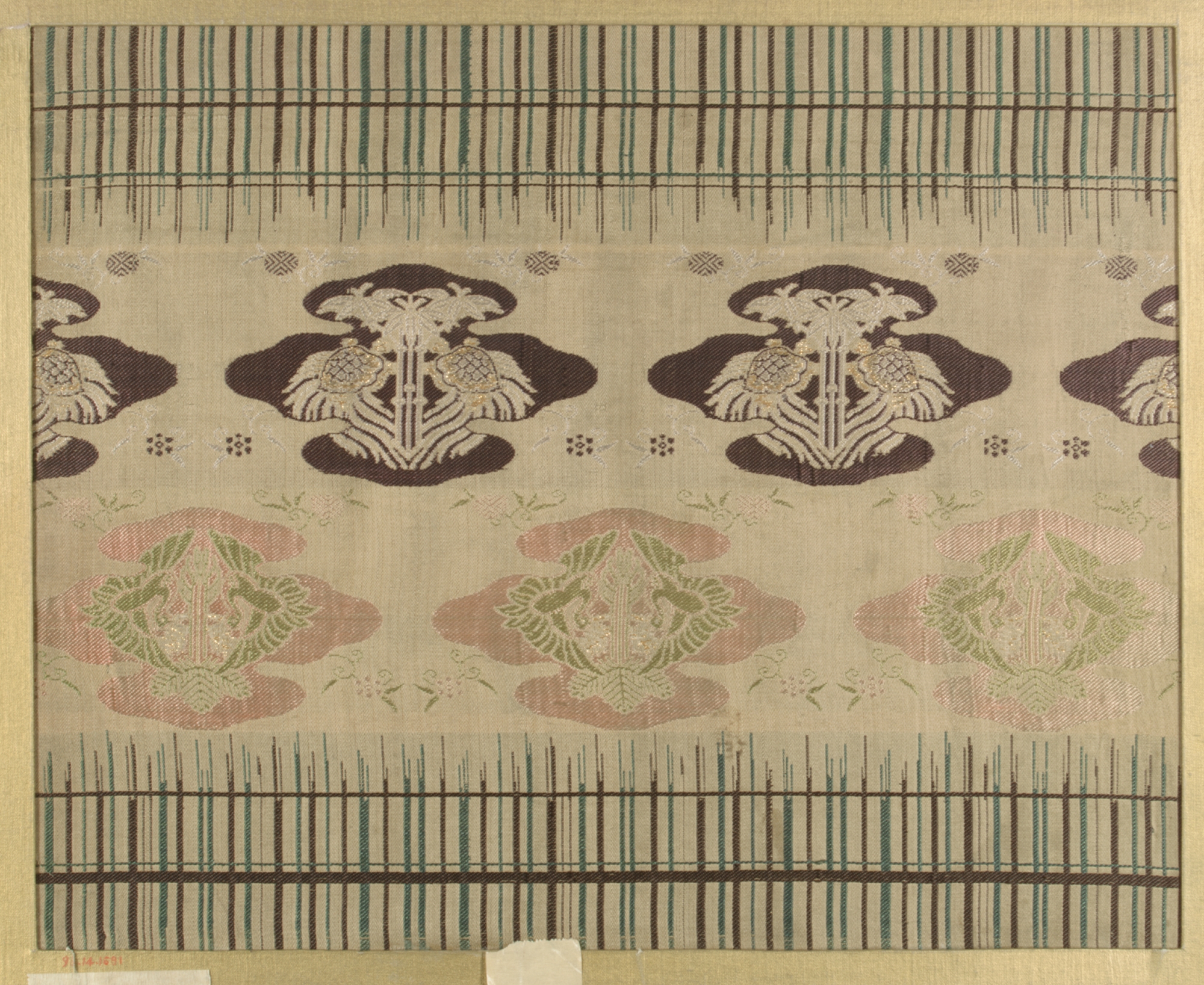
Heritage Analysis: The Silk Piece in Japanese Adornment
This analysis examines the symbolic, historical, and spiritual dimensions of a Japanese silk piece, contextualized within a strategic framework for Katherine Fashion Lab’s 2026 high-end luxury positioning. As a medium, silk in Japan transcends mere textile; it is a vessel for cultural memory, social hierarchy, and spiritual resonance. This research provides a foundational understanding for leveraging such heritage in contemporary luxury brand strategy.
Symbolic Power: Silk as a Signifier of Status and Transience
In Japanese culture, silk has long been a potent symbol of authority, refinement, and impermanence. Historically, the production of silk—from sericulture to weaving—was a closely guarded art, often associated with imperial courts and the samurai elite. The kimono, the quintessential silk garment, was not merely clothing but a coded language of identity. Colors, patterns, and motifs communicated the wearer’s age, marital status, social rank, and even seasonal affiliation. For instance, the kamon (family crest) woven or dyed into a silk piece signified lineage and political allegiance, making the textile a portable emblem of power.
Spiritually, silk embodies the Japanese aesthetic of mono no aware—the bittersweet awareness of transience. The delicate nature of silk, its sensitivity to light and moisture, mirrors the fleeting beauty of cherry blossoms or autumn leaves. This symbolism is deeply embedded in Shinto and Buddhist traditions, where silk garments were used in rituals to honor kami (spirits) and ancestors. The fabric’s luminosity was believed to attract divine presence, while its fragility reminded wearers of life’s ephemeral nature. For a luxury brand like Katherine Fashion Lab, integrating this symbolic power means not just using silk as a material, but embedding narratives of legacy, restraint, and impermanence into product storytelling.
Historical Adornment: From Heian Court to Edo Merchant Class
The historical trajectory of silk adornment in Japan reveals a dynamic interplay between sumptuary laws and artistic innovation. During the Heian period (794–1185), the imperial court dictated strict codes for silk usage. The juni-hitoe (twelve-layered robe) of noblewomen was a masterpiece of layering, where each silk color held specific meaning—crimson for passion, white for purity, and green for youth. This layered aesthetic, known as kasane no irome, was a form of visual poetry, where colors were chosen to evoke seasons or literary references.
By the Edo period (1603–1868), silk became more accessible to the burgeoning merchant class, though sumptuary laws still restricted certain colors and patterns to the samurai elite. This tension fueled creativity: weavers developed yūzen (resist-dyeing) and nishijin-ori (brocade) techniques to replicate forbidden motifs in subtle ways. The obi (sash) for the kimono became a canvas for intricate silk embroidery, often depicting auspicious symbols like cranes (longevity) or pine trees (resilience). For Katherine Fashion Lab, this history offers a strategic lesson: luxury is not just about rarity but about narrative constraint. A 2026 collection could evoke Edo-era sumptuary aesthetics through limited-edition silk pieces that reference historical codes of exclusivity, appealing to connoisseurs who value cultural literacy.
Spiritual Meaning: Silk as a Conduit for Ritual and Protection
Spiritually, silk in Japan is more than decorative; it is a conduit for the sacred. In Shinto tradition, silk was used to create gohei (paper or cloth offerings) and shimenawa (sacred ropes), but also for kimono worn by miko (shrine maidens). The fabric’s purity—its natural protein fibers—was seen as a bridge between the human and divine realms. Buddhist temples also employed silk for kesa (monks’ robes), where the color and weave reflected the wearer’s spiritual rank. The kasaya (patchwork robe) of Zen monks, often made from discarded silk scraps, symbolized detachment from material wealth.
Moreover, silk was believed to possess apotropaic qualities. Hōmongi (visiting wear) kimonos were often embroidered with protective motifs like the shishi (lion-dog) or karajishi (Chinese lion) to ward off evil spirits. For a modern luxury brand, this spiritual dimension can be leveraged through ritualized craftsmanship. A 2026 strategy might include a “blessed silk” line, where each piece is hand-dyed using traditional techniques and accompanied by a narrative of its spiritual provenance. This taps into the growing consumer desire for meaningful luxury—products that offer not just beauty but a sense of protection, grounding, or connection.
2026 High-End Luxury Strategy: Translating Heritage into Modern Prestige
For Katherine Fashion Lab, the Japanese silk piece offers a blueprint for a 2026 high-end luxury strategy built on cultural depth and scarcity. The global luxury market is moving toward heritage-driven exclusivity, where consumers seek authenticity and storytelling over logos. A silk piece from Japan, with its layered symbolism, can anchor a collection that differentiates through cultural specificity.
Key strategic recommendations include:
1. Limited-Edition Heritage Capsules: Produce a small number of silk pieces (e.g., 50 units) that replicate Heian-era layering techniques or Edo-period yūzen motifs. Each piece would come with a digital provenance certificate detailing its historical inspiration, artisan origin, and symbolic meaning. This creates a collector’s market, where the piece appreciates in cultural value.
2. Ritualized Customer Experience: Offer a “kimono consultation” service, where clients choose silk colors and motifs based on their personal astrological or seasonal affinities, referencing kasane no irome. This personalization elevates the piece from garment to talisman, aligning with the spiritual meaning of silk as a protective and identity-affirming medium.
3. Strategic Partnerships with Japanese Artisans: Collaborate with master weavers from Kyoto’s Nishijin district or dyers from Kanazawa’s Kaga Yūzen tradition. This not only ensures authenticity but also positions Katherine Fashion Lab as a patron of endangered crafts. In 2026, the narrative of “saving a dying art” will resonate with eco-conscious and culturally aware luxury consumers.
4. Symbolic Pricing and Presentation: Price the silk pieces at a premium (e.g., $15,000–$50,000) to reflect their spiritual and historical weight. Packaging should mimic a furoshiki (wrapping cloth), using silk itself as the wrapping material, reinforcing the theme of impermanence and care. The unboxing becomes a ritual, echoing the Shinto tradition of presenting offerings.
5. Narrative-Driven Marketing: Launch a campaign titled “The Silk Code,” featuring short films that decode the symbolic language of Japanese silk—color, motif, weave. These films would target ultra-high-net-worth individuals who value cultural capital. The campaign’s tagline: “Wear a story that has been told for a thousand years.”
Conclusion
The Japanese silk piece is not merely a fabric; it is a repository of symbolic power, historical adornment, and spiritual meaning. For Katherine Fashion Lab, integrating these layers into a 2026 luxury strategy offers a pathway to differentiated prestige. By honoring the cultural depth of silk—its status as a signifier of transience, its role in ritual, and its evolution through sumptuary history—the brand can create products that resonate with discerning consumers seeking meaning over materialism. This heritage analysis underscores that true luxury is not about abundance, but about the profound stories woven into every thread.