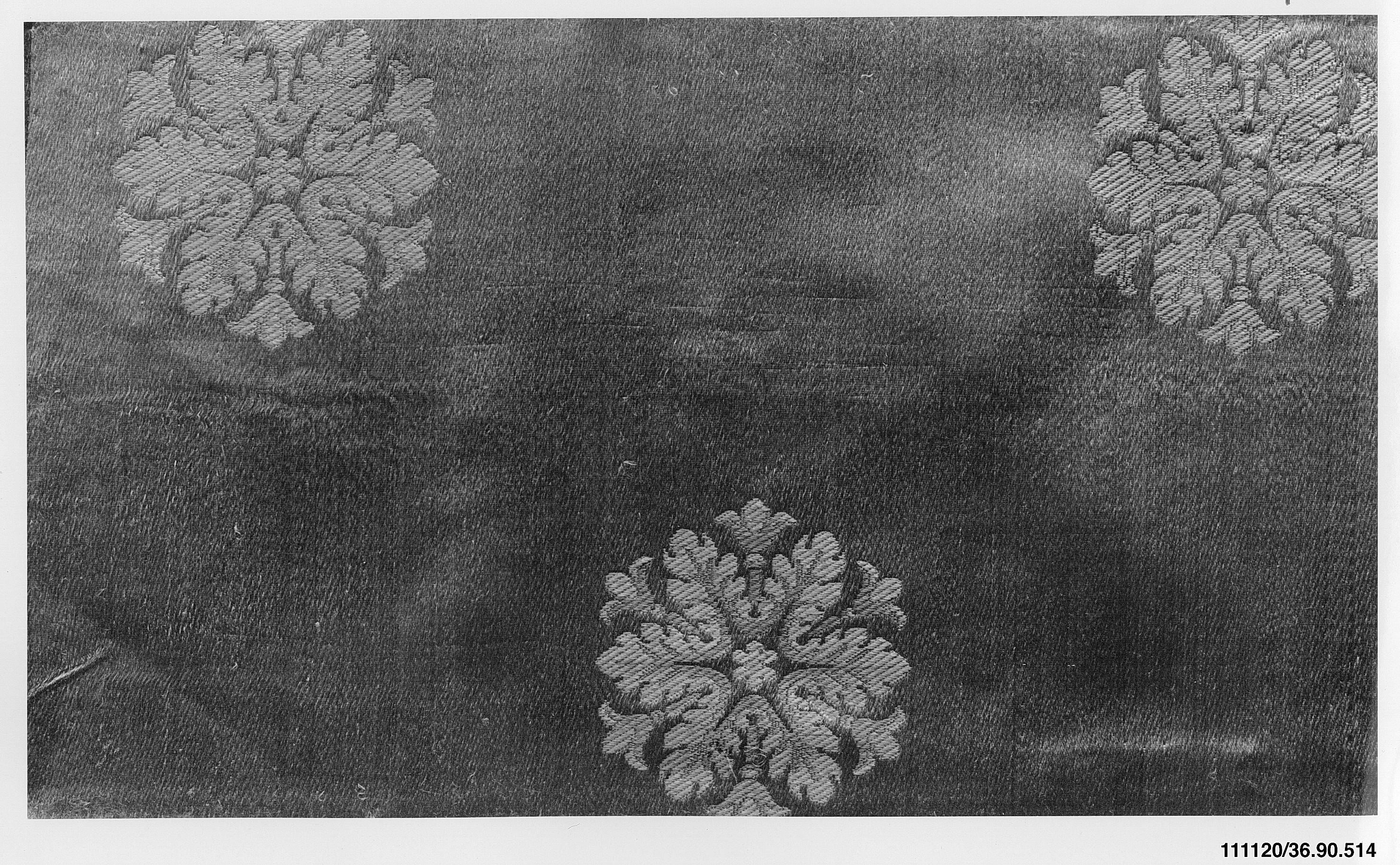
The Global Heritage of Silk: A Couture Analysis of Katherine Fashion Lab's Signature Piece
In the rarefied world of haute couture, where craftsmanship meets cultural narrative, Katherine Fashion Lab has distinguished itself through a meticulous exploration of material and heritage. The subject of this analysis is a singular piece—a silk gown that serves as a standalone study in the convergence of global textile traditions and contemporary design philosophy. This garment is not merely an article of clothing; it is a thesis on the enduring relevance of silk, a material whose history spans millennia and continents. By examining its construction, origin, and aesthetic intent, we uncover how Katherine Fashion Lab transforms a universal fabric into a localized, deeply resonant statement of luxury.
Material as Narrative: Silk's Global Tapestry
Silk is the protagonist of this piece, and its selection is far from arbitrary. Historically, silk’s journey from ancient China along the Silk Road to the courts of Europe, the Middle East, and beyond has made it a symbol of cross-cultural exchange, power, and artistry. Katherine Fashion Lab honors this lineage by sourcing materials that trace their origins to multiple heritage centers: the mulberry silk from the Jiangsu province of China, known for its unparalleled luster and strength; the raw, hand-reeled silk from the Varanasi region of India, celebrated for its textured richness; and a subtle infusion of organza from Como, Italy, where weaving techniques have been perfected over centuries. This deliberate amalgamation of global silk varieties creates a fabric that is not homogeneous but layered in its historical references. The gown’s surface, when examined under natural light, reveals a subtle interplay of sheen and matte finishes, each section echoing the distinct character of its origin. This is not a mere blend; it is a curated dialogue between cultures, stitched into a single, cohesive textile.
The material’s weight—approximately 120 grams per square meter—is calibrated for fluidity without sacrificing structure. The silk is treated with a proprietary finish that enhances its natural breathability and drape, ensuring that the garment moves with the wearer rather than against them. This technical precision underscores the lab’s commitment to sustainability: the silk is sourced from ethical producers who adhere to traditional, low-impact dyeing methods, using natural pigments derived from indigo, madder root, and pomegranate husk. The resulting palette—a muted ivory base with subtle undertones of blush and charcoal—evokes the patina of aged artifacts, grounding the piece in a sense of timelessness.
Construction and Silhouette: The Architecture of Heritage
The gown’s silhouette is a masterclass in restraint and innovation. It is constructed as a columnar form, with a subtle A-line flare that begins at the mid-thigh, allowing the silk to cascade without overwhelming the frame. The bodice is engineered with a series of hidden seams and darts that follow the natural curves of the torso, creating a second-skin fit that is both supportive and ethereal. The absence of visible closures—the gown fastens via a concealed zipper and a series of hand-sewn silk loops—speaks to the atelier’s obsession with purity of line. This is a piece that refuses to announce its mechanisms; it exists as a seamless extension of the body.
What elevates this construction from mere tailoring to couture is the integration of global heritage techniques. The sleeves, for instance, are set using a method derived from the Japanese katsugi tradition, where the fabric is gathered at the shoulder to create a soft, voluminous puff without any structural padding. This technique, combined with the Italian sartorial approach to armhole precision, results in a sleeve that moves with the arm but retains a sculptural shape when at rest. The hemline is finished with a hand-rolled edge, a technique perfected in French ateliers, which prevents fraying while allowing the silk to fall with a liquid, almost water-like quality. Each stitch is invisible to the naked eye, a testament to the lab’s insistence on perfection at every level of construction.
The interior of the gown is equally considered. A layer of silk charmeuse lines the bodice, providing a cool, smooth surface against the skin, while the skirt is unlined to preserve the fabric’s translucency and movement. The seams are enclosed in French seams, a technique that ensures durability and a clean finish. This attention to interior detail is a hallmark of true couture, where the unseen is as important as the seen. It is a silent declaration of value, one that resonates with discerning clients who understand that luxury is as much about process as it is about appearance.
Aesthetic Intent: A Dialogue Between Past and Present
The aesthetic of this piece is one of deliberate ambiguity. It is neither overtly traditional nor aggressively modern. Instead, it occupies a liminal space where heritage is referenced but not replicated. The gown’s color palette, for example, draws from the muted earth tones found in ancient Chinese silk paintings and Indian Mughal miniatures, yet the application is minimalist, eschewing the intricate embroidery or heavy ornamentation that often characterizes such influences. This restraint is a conscious choice. Katherine Fashion Lab posits that heritage is not a set of motifs to be borrowed but a philosophy of material and technique to be internalized. The piece’s only embellishment is a single, hand-embroidered thread of gold silk that traces the spine from the nape to the lower back, a subtle nod to the concept of wabi-sabi—the Japanese appreciation for imperfection and the beauty of the singular line.
The garment’s versatility further underscores its standalone status. It can be worn as a formal gown, paired with a structured belt or a sheer overlay, or as a minimalist day dress when accessorized with understated leather. This adaptability is not a compromise but a reflection of the global consumer’s need for pieces that transcend occasion. In a market saturated with disposable trends, Katherine Fashion Lab offers an heirloom—a piece that is meant to be worn, studied, and passed down. The gown’s form is designed to flatter a diverse range of body types, with the silk’s natural elasticity accommodating movement while maintaining its silhouette. This inclusivity is a subtle but powerful statement, challenging the exclusivity often associated with couture.
Contextual Significance: A Standalone Study in Luxury
As a standalone study, this piece operates outside the constraints of a seasonal collection or trend cycle. It does not respond to the whims of fashion weeks or the pressures of commercial viability. Instead, it exists as a pure expression of the atelier’s core values: material integrity, cultural respect, and technical mastery. The decision to focus on silk—a material that has been both revered and commodified—allows Katherine Fashion Lab to engage in a broader conversation about the ethics of luxury. By sourcing from multiple heritage regions and employing traditional techniques, the lab challenges the homogenization of global fashion, where local traditions are often diluted for mass appeal. Here, each thread carries the weight of its origin, yet the final piece is unmistakably contemporary.
In conclusion, this silk gown from Katherine Fashion Lab is more than a garment; it is a cultural artifact, a technical achievement, and a philosophical statement. It demonstrates that couture, at its highest level, is not about novelty but about depth—depth of material, of process, and of meaning. For the discerning client, it offers not just a piece of clothing but a connection to the global heritage of silk, woven into a form that is both personal and universal. In an industry often driven by speed and spectacle, this piece stands as a quiet, enduring testament to the power of thoughtful, heritage-informed design. It is a study worth returning to, again and again, for its lessons in how the past can be reimagined for the present without losing its soul.