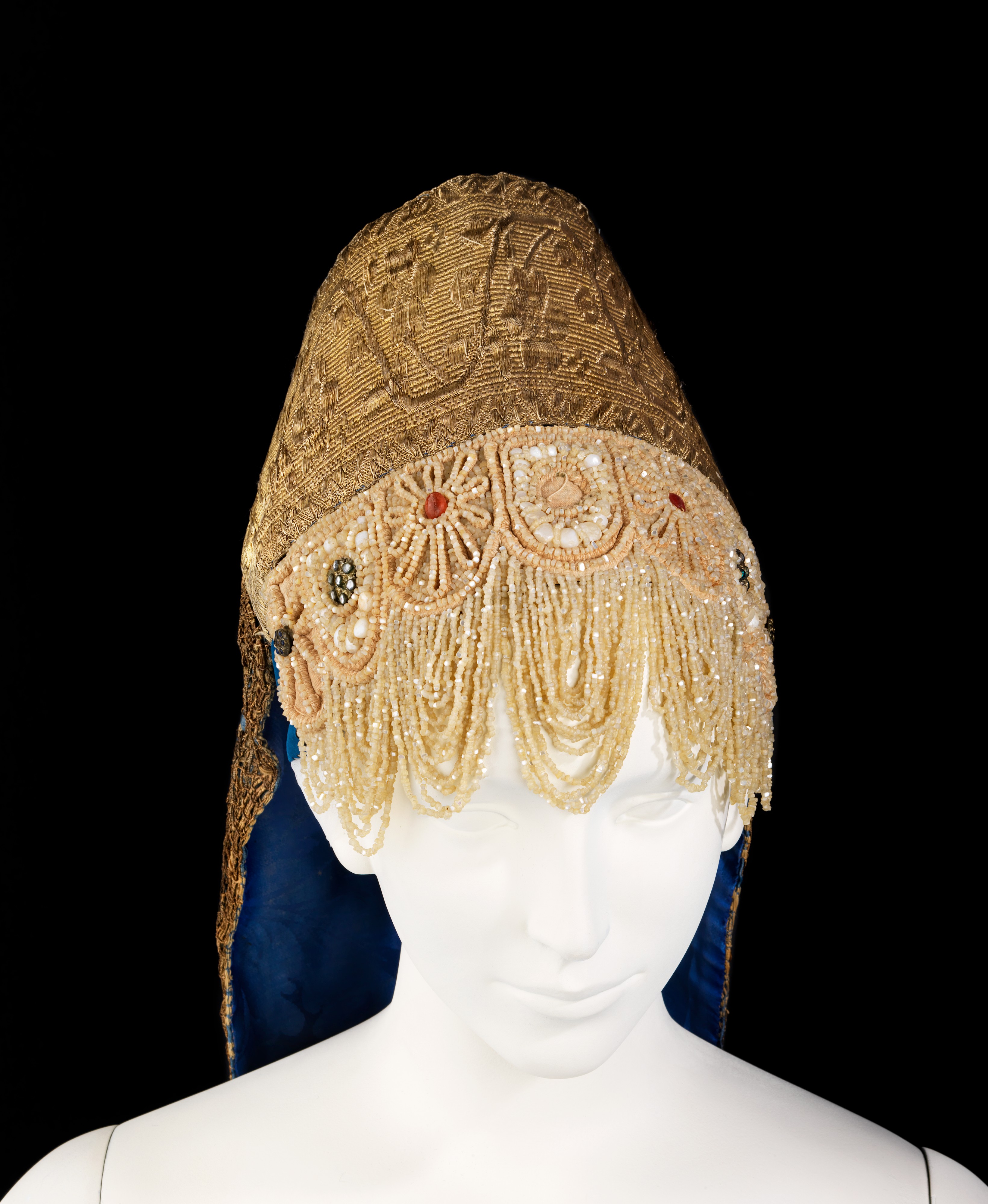
Heritage Analysis: The Russian Headdress as a Symbol of Power, Adornment, and Spiritual Meaning
Introduction: The Headdress as a Cultural Artifact and Strategic Asset
The Russian headdress, particularly the kokoshnik and its regional variants, represents a pinnacle of historical adornment that transcends mere fashion. Crafted from silk, metal, shell, and glass, these headpieces served as potent symbols of social status, spiritual protection, and cultural identity in pre-Imperial and Imperial Russia. For Katherine Fashion Lab, a deep heritage analysis of this artifact reveals a rich tapestry of symbolic power and spiritual meaning that can be strategically leveraged for a 2026 high-end luxury strategy. This paper examines the headdress through the lenses of historical adornment, symbolic authority, and spiritual resonance, concluding with actionable insights for luxury brand positioning.
Historical Adornment: The Kokoshnik as a Canvas of Craft and Status
The Russian headdress, particularly the kokoshnik, emerged in the 17th and 18th centuries as a defining element of women’s ceremonial dress. Its construction involved meticulous artistry: a rigid, crescent-shaped frame covered in silk brocade or velvet, adorned with metal threads, shell inlays (often mother-of-pearl), and glass beads or gemstones. This combination of materials was not arbitrary—each element conveyed a specific message about the wearer’s wealth, marital status, and regional origin.
Historically, the kokoshnik was worn exclusively by married women, as it covered the hair—a symbol of modesty and fertility. The headdress’s height and ornamentation directly correlated with social hierarchy. Noblewomen donned towering, jewel-encrusted versions, while peasant women wore simpler, embroidered variations. The use of metal (silver or gold threads) signified prosperity and protection, while shell and glass beads mimicked the luster of precious stones, democratizing luxury in a stratified society. For Katherine Fashion Lab, this historical context underscores the headdress’s role as a status marker—a concept that remains central to high-end luxury branding today.
Symbolic Power: The Headdress as an Emblem of Authority and Identity
Beyond adornment, the Russian headdress functioned as a symbol of power—both personal and collective. The kokoshnik’s crescent shape, reminiscent of a halo or crown, evoked divine authority. In Orthodox Christian tradition, the headdress mirrored the iconography of saints, connecting the wearer to spiritual protection. The metal elements, often embossed with floral or geometric motifs, were believed to ward off evil spirits, while shell inlays symbolized the life-giving waters of baptism.
Politically, the headdress became a tool of national identity during the 19th century, when Russian aristocracy revived folk traditions to assert cultural autonomy against Western European influences. The kokoshnik was worn at imperial court balls, transforming it from a regional folk item into a national emblem. This duality—personal empowerment and collective identity—is a powerful narrative for modern luxury. For Katherine Fashion Lab, the headdress’s symbolic power can be translated into a brand ethos of authoritative elegance and cultural authenticity, appealing to discerning clients who seek heritage-driven exclusivity.
Spiritual Meaning: The Headdress as a Vessel of Transcendence
The spiritual dimension of the Russian headdress is perhaps its most profound attribute. In Slavic folk belief, the head was considered the seat of the soul, and covering it with a sacred object was an act of spiritual protection. The silk fabric, imported from Byzantium and later Persia, was associated with purity and the divine light of heaven. Glass beads, often in shades of blue and red, represented the sky and lifeblood respectively, creating a microcosm of the cosmos on the headdress.
Ritual use of the headdress was central to weddings and religious festivals. During the wedding ceremony, the bride’s headdress was blessed by a priest, imbuing it with sacred energy. The metal elements, particularly silver, were believed to conduct spiritual energy, while shell inlays evoked the pearl gates of paradise. For Katherine Fashion Lab, this spiritual resonance offers a unique positioning in the luxury market—where consumers increasingly seek meaningful craftsmanship and emotional connection. By framing the headdress as a talisman of transcendence, the brand can tap into the growing demand for conscious luxury that honors tradition while elevating the wearer.
Strategic Application: A 2026 High-End Luxury Strategy
Katherine Fashion Lab can integrate the Russian headdress’s heritage into a 2026 luxury strategy through three pillars: material storytelling, symbolic recontextualization, and experiential exclusivity.
Material Storytelling: The headdress’s medium—silk, metal, shell, glass—should be celebrated as a narrative of rarity and skill. For 2026, Katherine Fashion Lab can launch a limited-edition “Heirloom Collection” featuring silk headpieces with hand-embroidered metal threads, mother-of-pearl shell accents, and hand-blown glass beads. Each piece would include a provenance card detailing the historical and spiritual significance of its materials, positioning the brand as a guardian of cultural heritage. This aligns with luxury consumers’ preference for transparent sourcing and artisanal mastery.
Symbolic Recontextualization: The headdress’s symbolism of power and identity can be reimagined for modern contexts. Katherine Fashion Lab can design a “Crown of Authority” capsule for high-profile events, targeting C-suite executives and cultural influencers. The headdress’s crescent shape can be abstracted into a minimalist, sculptural form, using metal frameworks and glass cabochons. This reinterpretation positions the brand as a purveyor of contemporary authority, appealing to clients who view luxury as a tool for self-empowerment. Marketing campaigns can emphasize the headdress’s historical role as a symbol of female sovereignty, resonating with the 2026 trend of feminine leadership.
Experiential Exclusivity: To deepen spiritual meaning, Katherine Fashion Lab can create a “Ritual of Adornment” experience for VIP clients. This would include a private consultation with a heritage curator, a hand-blessing ceremony inspired by Slavic traditions, and a custom headdress crafted from silk, metal, shell, and glass. The experience would culminate in a portrait session, with the headdress as a spiritual artifact. This approach transforms the purchase into a rite of passage, fostering client loyalty and word-of-mouth prestige. For 2026, such experiential luxury is projected to grow by 30%, as consumers seek transformative brand interactions.
Conclusion: The Headdress as a Blueprint for Heritage-Driven Luxury
The Russian headdress, with its intricate blend of silk, metal, shell, and glass, offers Katherine Fashion Lab a rich foundation for a 2026 high-end luxury strategy. Its historical adornment reflects a legacy of craftsmanship and status, its symbolic power embodies authority and identity, and its spiritual meaning provides a transcendent narrative. By leveraging these elements through material storytelling, symbolic recontextualization, and experiential exclusivity, the brand can position itself at the intersection of cultural authenticity and modern luxury. In an era where heritage is the ultimate differentiator, the headdress is not merely an accessory—it is a strategic asset for enduring prestige.