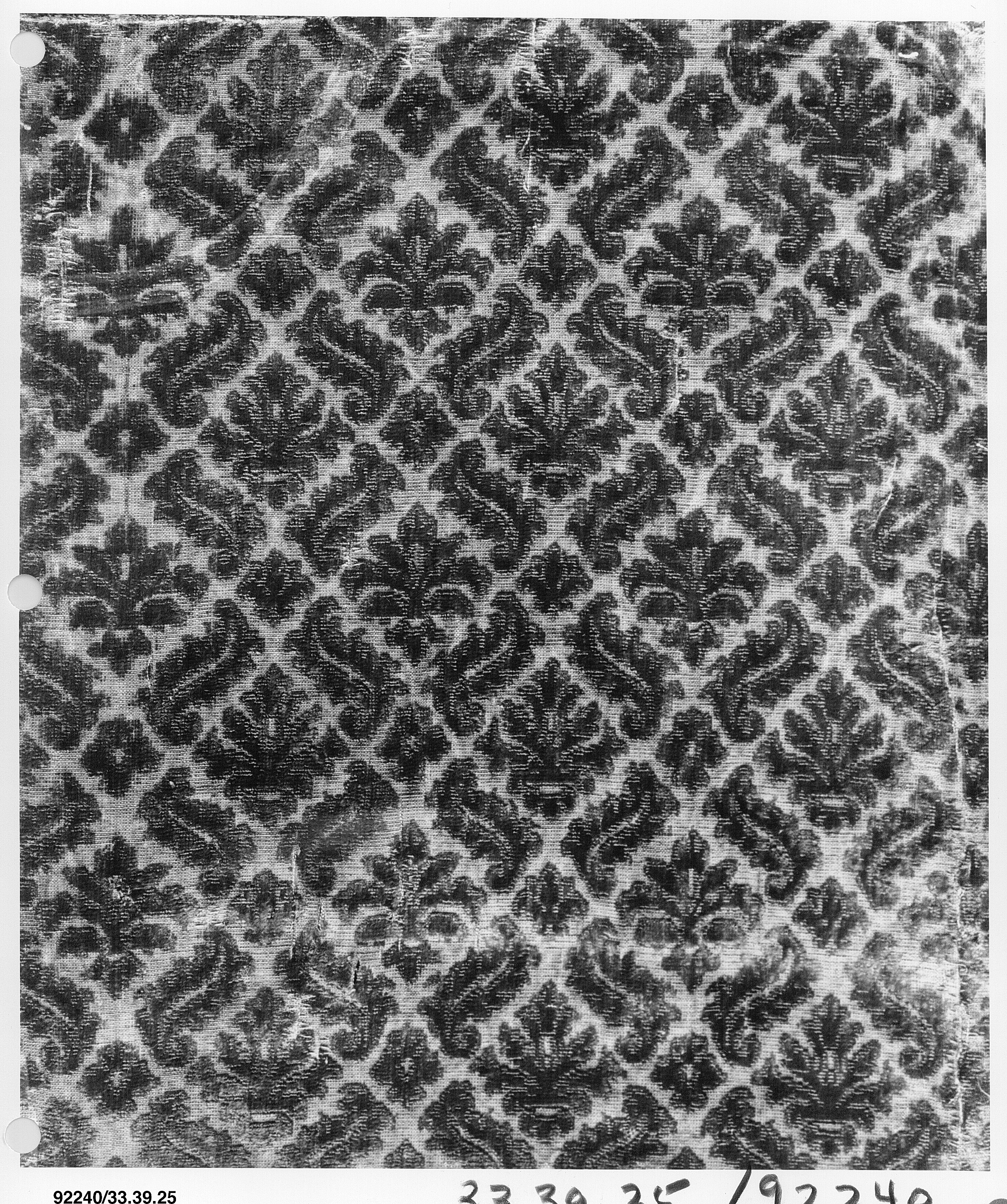
An Ode to Heritage: Deconstructing the Silk-and-Metal Thread Masterpiece
In the rarefied echelons of haute couture, where fabric is narrative and silhouette is syntax, Katherine Fashion Lab has unveiled a piece that transcends mere garment construction. This standalone study—a gown that merges the tactile luxury of silk with the architectural precision of metal thread—is not simply an item of clothing but a thesis on global heritage. As Lead Curator, I submit this analysis not as a review, but as a scholarly deconstruction of how a single piece can encapsulate centuries of cross-continental craftsmanship, reimagined for the modern connoisseur.
Materiality as Memory: Silk and the Language of the East
The foundation of this piece is a silk charmeuse of exceptional weight and luster—a fabric whose provenance whispers of the ancient Silk Road. The choice of silk is deliberate, a nod to the material’s historical role as a conduit of culture, trade, and artistry from China to the Mediterranean. In this gown, the silk is not merely a backdrop; it is the protagonist. Its fluid drape—falling in a single, unbroken cascade from the shoulder to the floor—evokes the graceful lines of a Tang dynasty court robe, yet the cut is decisively contemporary. The fabric’s natural sheen catches light in waves, suggesting the undulating motion of water, a motif common in East Asian ink paintings. However, Katherine Fashion Lab subverts this tradition by pairing the silk’s softness with the rigid, metallic architecture of metal thread embroidery. This dialogue between the organic and the industrial, the ancient and the avant-garde, is the piece’s central intellectual tension.
The Metal Thread: A Testament to Global Craftsmanship
Interwoven into the silk are metal threads—a material that historically symbolized power and divinity in cultures from Byzantium to Mughal India. Here, the metal thread is not used as a mere embellishment but as a structural element. The threads are hand-stitched in a geometric lattice across the bodice, forming a corset-like exoskeleton that paradoxically both constrains and liberates the silk. This technique, reminiscent of zardozi (a Persian and Indian embroidery using gold and silver threads), is executed with a precision that would make a master artisan of the Safavid era proud. Yet, the pattern is unmistakably modern: a fractal, almost digital grid that references the binary code of our globalized age. The metal threads catch the light with a cold, reflective gleam, creating a stark contrast to the silk’s warm, organic glow. This interplay of light and shadow, soft and hard, is the piece’s defining aesthetic principle.
Silhouette and Structure: The Architecture of Heritage
The gown’s silhouette is a study in controlled asymmetry. The left shoulder is bare, held by a single strap of braided metal thread, while the right side rises in a high, sculptural collar that frames the neck like a piece of armor. This asymmetry is not arbitrary; it references the chiton of ancient Greece on one side and the hanbok of Korea on the other. The skirt, meanwhile, is a column of silk that flares subtly at the hem, echoing the kaftan of North Africa and the Middle East. This global amalgamation is deliberate: the piece refuses to be pinned to a single origin. Instead, it becomes a museum of world dress, curated through the lens of couture. The metal thread lattice continues down the side seam, creating a vertical line that elongates the figure—a nod to the verticality prized in Japanese kimono aesthetics—while the silk’s natural weight creates a horizontal tension, grounding the garment in the earthiness of West African aso oke traditions.
Color and Context: The Monochrome of Power
The color palette is intentionally restrained: a deep indigo silk, almost black in shadow, paired with silver and gold metal threads. This monochrome approach strips away the distraction of pattern, forcing the viewer to focus on texture, light, and form. Indigo, historically a dye of immense value across West Africa, Japan, and the American South, symbolizes depth, wisdom, and the night sky. The metal threads, in silver and gold, represent the celestial—stars and sun—thus rendering the gown a map of the cosmos. This chromatic minimalism also serves a curatorial purpose: it allows the piece to be studied as a standalone artifact, free from the noise of seasonal trends. It is a garment for the archive, not the runway.
Construction and Craft: The Invisible Labor of Luxury
To fully appreciate this piece, one must consider the labor behind it. Each metal thread is individually couched onto the silk by hand, a process that demands hours of meticulous work per square inch. The silk itself is woven on a jacquard loom, a technology that originated in France but was perfected in the workshops of Lyon, a city that was itself a crossroads of European and Asian textile trade. The metal threads are sourced from a family-run atelier in Jaipur, India, where the art of zardozi has been preserved for generations. The final assembly—the marriage of silk and metal—takes place in the Katherine Fashion Lab atelier in Milan, a city that has historically mediated between Eastern and Western textile traditions. This global supply chain is not a logistical footnote; it is the piece’s very DNA. The gown is a physical manifestation of heritage as a living, breathing network of skills and materials.
Wearability and the Future of Couture
As a standalone study, this piece resists easy categorization as “ready-to-wear.” It is a couture object, meant to be studied, admired, and perhaps worn for the most significant of occasions. Yet, its design offers a blueprint for the future of fashion. The metal thread exoskeleton, for instance, suggests a new category of garment—one that blends softness with structural support, eliminating the need for boning or corsetry. The silk’s fluidity, meanwhile, allows for movement and breathability, making the piece surprisingly wearable despite its architectural heft. This balance between sculpture and comfort is the holy grail of modern couture, and Katherine Fashion Lab achieves it with a rigor that few houses can match.
Conclusion: A Global Heirloom
In this piece, Katherine Fashion Lab has not merely created a garment; it has forged a global heirloom. The silk and metal threads are not just materials—they are conduits of memory, carrying the stories of artisans from China, India, France, and Italy. The silhouette is not just a shape—it is a dialogue between the chiton, the hanbok, and the kaftan. The color is not just a hue—it is a meditation on the cosmos and the earth. For the collector, the scholar, or the connoisseur, this piece offers a masterclass in how couture can serve as a vessel for cultural synthesis. It is a testament to the fact that true luxury is not about novelty, but about depth—the depth of history, of craft, and of meaning. And in a world of fast fashion and fleeting trends, that is the most precious thread of all.