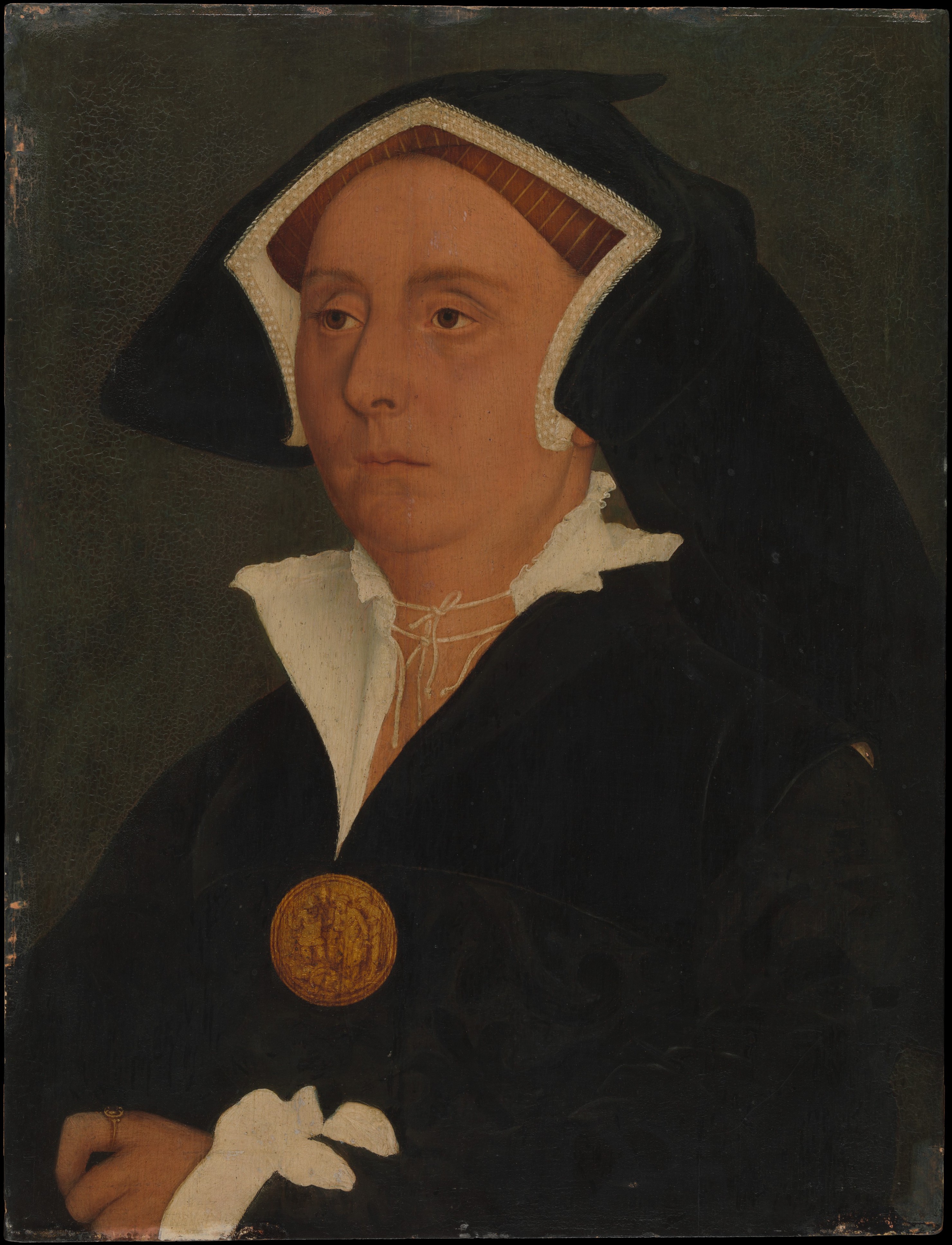
Heritage Analysis: Lady Rich (Elizabeth Jenks, d. 1558)
Introduction: The Convergence of Power, Piety, and Portraiture
This heritage analysis examines the portrait of Lady Rich (Elizabeth Jenks, died 1558), executed in oil and gold on oak. The subject, a prominent figure in the Tudor court, offers a profound case study in the intersection of symbolic power, historical adornment, and spiritual meaning. For Katherine Fashion Lab, this artifact serves not merely as a historical record but as a strategic blueprint for a 2026 high-end luxury strategy rooted in authenticity, narrative depth, and transcendent value. The analysis proceeds through three critical lenses: the semiotics of power embedded in her attire, the material and spiritual resonance of gold, and the translation of these elements into a contemporary luxury framework.
Symbolic Power: The Armor of Adornment and the Language of Status
Emblematic Regalia and Dynastic Authority
Lady Rich’s portrait is a masterclass in the visual articulation of dynastic authority. Her attire—a gown of deep crimson velvet, trimmed with ermine and embellished with gold thread—functions as a secular armor. The color crimson, derived from kermes insects, was a pigment of immense expense, reserved for the highest echelons of Tudor society. Ermine, the white winter fur of the stoat, symbolized purity and regal sovereignty, a privilege restricted to royalty and the highest nobility. Together, these elements communicate not just wealth but legitimized power, a visual declaration of her family’s proximity to the throne.
Jewelry as a Lexicon of Influence
The jewelry worn by Lady Rich is not decorative but declarative. Her necklace, a heavy chain of gold links interspersed with pearls and a large central pendant—likely a cameo or a heraldic device—serves as a symbol of allegiance and lineage. Pearls, in Tudor symbolism, represented chastity and virtue, while gold signified eternal wealth and divine favor. The pendant, often bearing a miniature portrait of a sovereign or a family crest, functioned as a portable badge of loyalty. For Katherine Fashion Lab, this underscores the strategic importance of signature motifs that communicate a brand’s heritage and values without words. In a 2026 luxury strategy, such pieces can be reimagined as limited-edition talismans that anchor a collection in narrative authority.
Historical Adornment: The Craftsmanship of Gold and Oak
Materiality as a Marker of Eternity
The medium—oil and gold on oak—is itself a strategic choice. Oak, a wood prized for its durability and symbolic association with strength and endurance in Northern European cultures, provides a physical foundation for legacy. The application of gold leaf, often in the form of gilding on the jewelry and textile details, elevates the portrait from mere representation to a sacred object. Gold, in the 16th century, was not only a store of value but a spiritual conduit, believed to reflect the light of divine grace. The oil medium allowed for meticulous detailing of fabrics and jewels, creating a hyper-realistic effect that asserted the sitter’s presence across centuries.
Textile Narratives and Embroidery
The embroidery on Lady Rich’s gown—likely featuring motifs of flowers, vines, or heraldic beasts—is a testament to the artisanal mastery of Tudor workshops. Each stitch was a deliberate act of symbolic storytelling. For instance, the rose might signify the Tudor dynasty, while the pomegranate could denote fertility or allegiance to Catherine of Aragon. This level of detail transforms clothing into a biographical document. For Katherine Fashion Lab, this inspires a 2026 strategy centered on bespoke craftsmanship and hidden narratives—where each garment or accessory carries a story known only to the wearer, creating an exclusive, intimate luxury experience.
Spiritual Meaning: The Sacred and the Secular in Adornment
Gold as Divine Light and Mortal Legacy
The spiritual dimension of Lady Rich’s portrait is most evident in the use of gold as a symbol of the divine. In Christian iconography, gold backgrounds in religious art represented the celestial realm. By incorporating gold leaf in a secular portrait, the artist elevates Lady Rich’s status to a quasi-sacred figure, suggesting that her wealth and virtue are blessed by God. This fusion of the sacred and the secular was a common strategy among Tudor elites to legitimize their power through divine association. The gold in her portrait is not merely decorative; it is a spiritual asset, a material manifestation of grace and immortality.
Memento Mori and the Jewel of Eternity
Notably, many Tudor portraits incorporate subtle memento mori elements—a skull, a wilting flower, or an hourglass—to remind viewers of mortality. While not overtly present in Lady Rich’s portrait, the permanence of gold and oak serves as a counterpoint, asserting that while the body decays, legacy and virtue endure. Her jewelry, especially the chain, can be interpreted as a chain of prayers or virtues, linking her to a divine order. For a 2026 luxury strategy, this suggests a shift from conspicuous consumption to conscious legacy. High-end clients increasingly seek items that embody eternal values—sustainability, heritage, and spiritual resonance—rather than fleeting trends.
Strategic Implications for Katherine Fashion Lab: 2026 High-End Luxury Strategy
Reclaiming the Symbolic Power of Adornment
Lady Rich’s portrait offers a blueprint for luxury branding that prioritizes narrative over novelty. In a 2026 market saturated with digital ephemera, the tactile and symbolic weight of materials like gold, silk, and precious stones will command premium positioning. Katherine Fashion Lab can draw on this by developing a Signature Motif Collection—pieces that incorporate heraldic or botanical symbols with personalizable elements, such as a cameo pendant that can be engraved with a client’s lineage or values. This taps into the growing demand for meaningful luxury, where each purchase is an investment in identity.
Material Integrity and Artisanal Heritage
The use of oil and gold on oak underscores the importance of material integrity. For 2026, Katherine Fashion Lab should prioritize sustainable, heritage-rich materials—such as responsibly sourced gold, organic silk, and reclaimed oak for packaging or display cases. Collaborations with master artisans in embroidery, gilding, and gem-setting can create limited-edition pieces that mirror the bespoke quality of Tudor craftsmanship. This not only enhances brand prestige but aligns with the luxury consumer’s shift toward authenticity and environmental consciousness.
Spiritual Resonance as a Brand Differentiator
The spiritual dimension of Lady Rich’s adornment suggests a new luxury paradigm: where objects are not just beautiful but sacred. Katherine Fashion Lab can introduce a “Legacy Line”—items designed to be heirlooms, with each piece accompanied by a certificate of provenance that traces its materials and craftsmanship. Incorporating elements like gold leaf accents or symbolic gemstones (e.g., pearls for wisdom, sapphires for truth) can imbue collections with spiritual depth. Marketing campaigns should frame these pieces as talismans for the modern age, appealing to clients seeking meaning, permanence, and connection to history.
Strategic Narrative and Exclusive Access
Finally, the portrait’s role as a strategic standalone research object highlights the power of exclusive narratives. For 2026, Katherine Fashion Lab can launch a “Curator’s Circle”—a membership program offering behind-the-scenes access to heritage research, private viewings of historical artifacts, and the opportunity to commission bespoke pieces inspired by specific portraits. This transforms the brand from a purveyor of goods into a custodian of cultural memory, fostering deep loyalty and positioning it at the apex of the luxury market.
Conclusion: The Enduring Legacy of a 16th-Century Vision
The portrait of Lady Rich (Elizabeth Jenks) is far more than a relic of Tudor England. It is a strategic artifact that reveals the timeless principles of symbolic power, historical adornment, and spiritual meaning. For Katherine Fashion Lab, this analysis provides a rigorous foundation for a 2026 high-end luxury strategy that prioritizes narrative depth, material integrity, and spiritual resonance. By drawing on the visual lexicon of the past, the brand can create a future where luxury is not just owned but inherited, cherished, and transcendent. In an era of rapid change, the gold and oak of Lady Rich’s portrait remind us that true luxury endures—and that the most powerful adornments are those that tell a story of power, faith, and legacy.