Heritage Analysis: The Moche Nose Ornament as a Blueprint for 2026 Luxury Strategy
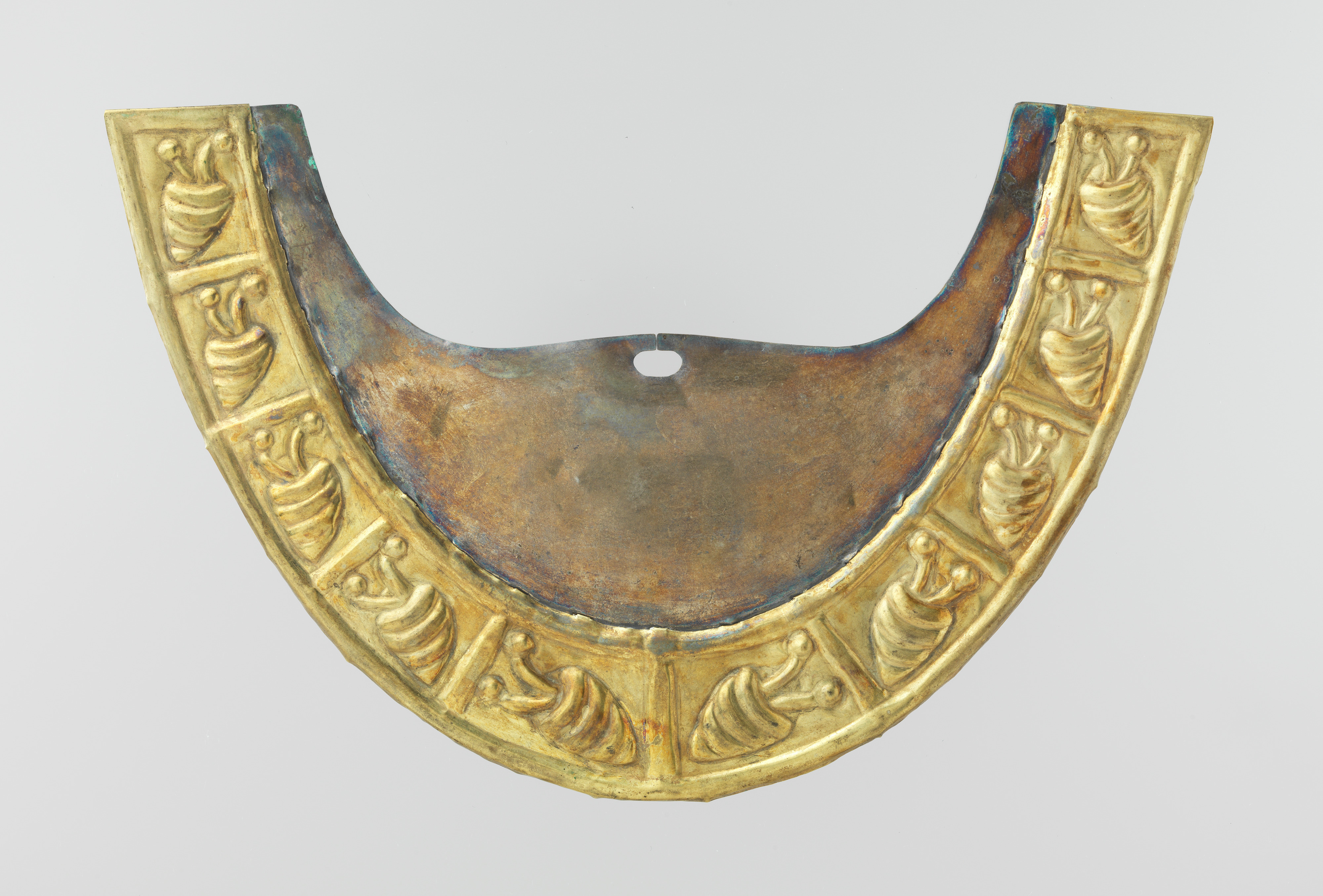
In the annals of pre-Columbian adornment, few artifacts rival the Moche nose ornament for its concentrated synthesis of spiritual authority, material mastery, and social stratification. Crafted from silver and gold—metals that the Moche associated with lunar and solar divinity respectively—these ornaments were not mere jewelry. They were instruments of political theology, worn by elite rulers to mediate between the earthly realm and the supernatural. For Katherine Fashion Lab, this heritage object offers a strategic blueprint for 2026 high-end luxury: a model of how symbolic power, historical adornment, and spiritual meaning can be translated into a contemporary brand narrative that commands exclusivity and cultural resonance.
Symbolic Power: The Nose Ornament as a Signifier of Divine Authority
Among the Moche, who flourished on the northern coast of Peru from approximately 100 to 800 CE, the nose ornament—often referred to as a nariguera—was reserved for the highest echelons of society. Archaeological evidence from elite tombs, such as the Lord of Sipán, reveals that these ornaments were placed directly over the nasal septum, a location that forced the wearer to adopt a fixed, forward-facing posture. This physical constraint was deliberate: it transformed the ruler into a static icon, a living effigy whose gaze was perpetually directed toward the spiritual horizon.
The material composition of silver and gold was not arbitrary. In Moche cosmology, gold represented the sun, masculinity, and the life-giving force of the upper world, while silver embodied the moon, femininity, and the regenerative powers of the underworld. By combining these metals, the nose ornament signified the ruler’s capacity to unite opposing cosmic forces—a claim to total spiritual and temporal authority. This duality is a potent precedent for luxury branding in 2026. Katherine Fashion Lab can position its own nose ornament collection as a symbol of binary mastery: the ability to harmonize heritage with innovation, tradition with disruption, and exclusivity with accessibility.
Historical Adornment: Craftsmanship as a Marker of Elite Identity
The production of Moche nose ornaments required extraordinary metallurgical skill. Artisans employed techniques such as lost-wax casting, gilding, and repoussé to achieve intricate designs depicting anthropomorphic figures, felines, and serpentine motifs. Each ornament was a bespoke object, likely commissioned by a specific ruler to encode personal or dynastic narratives. The labor intensity and material rarity ensured that no two ornaments were identical—a principle of absolute uniqueness that modern luxury houses strive to replicate.
For Katherine Fashion Lab, the Moche emphasis on craftsmanship offers a direct line to the 2026 luxury consumer, who increasingly values artisanal provenance over mass-produced opulence. The brand can adopt a “one-of-a-kind” production model for its nose ornament line, limiting each design to a single edition or a numbered series of fewer than ten. This strategy not only mirrors Moche exclusivity but also aligns with the growing demand for collectible luxury items that appreciate in cultural value. Furthermore, by collaborating with contemporary metalsmiths trained in pre-Columbian techniques, Katherine Fashion Lab can authenticate its heritage claim and differentiate itself in a market saturated with generic fine jewelry.
Spiritual Meaning: The Ornament as a Conduit for Transcendence
Beyond its social function, the Moche nose ornament served a deeply spiritual purpose. It was believed to facilitate communication with ancestors and deities, particularly during ritual ceremonies involving the consumption of psychoactive substances such as San Pedro cactus. The ornament’s placement on the face—the most expressive and vulnerable part of the body—suggested that the wearer was offering their senses to the divine. The silver and gold materials were thought to refract spiritual energy, acting as a lens through which the supernatural could manifest in the physical world.
This dimension of experiential transcendence is a powerful narrative for 2026 luxury. Contemporary high-end consumers are not merely purchasing objects; they are investing in meaningful rituals and transformative experiences. Katherine Fashion Lab can embed this spiritual layer into its brand story by framing its nose ornament as a “portal object”—a piece that invites the wearer to connect with their own inner power or with a broader cultural legacy. Marketing campaigns could emphasize the ornament’s role in personal transformation, perhaps through immersive digital experiences that simulate Moche ceremonial contexts. The goal is to position the product not as a static accessory, but as a dynamic tool for self-actualization.
2026 High-End Luxury Strategy: Translating Moche Principles into Modern Brand Architecture
To operationalize these insights, Katherine Fashion Lab must adopt a three-pillar strategy for its 2026 nose ornament collection: heritage authentication, ritualized consumption, and scarcity-driven pricing.
Heritage authentication involves rigorous scholarly collaboration. The brand should partner with Moche archaeology experts from institutions such as the Museo Tumbas Reales de Sipán to co-develop product narratives and verify design accuracy. This partnership can yield a certification of provenance—a document that traces the ornament’s design lineage to specific Moche artifacts. Such authentication elevates the product beyond fashion into the realm of wearable cultural artifact, justifying a price point that rivals fine art.
Ritualized consumption reimagines the purchase experience. Instead of a conventional sale, Katherine Fashion Lab can offer a “ceremonial acquisition” process: clients are invited to a private atelier where they learn about the Moche spiritual context, select their metal combination (silver, gold, or a bespoke alloy), and participate in a symbolic “blessing” by a cultural consultant. This transforms the transaction into a memorable event, fostering deep brand loyalty and generating word-of-mouth prestige.
Scarcity-driven pricing leverages the Moche principle of exclusivity. The collection should be released in limited “cosmic cycles”—perhaps quarterly, aligned with lunar phases—with each drop featuring no more than five pieces. Pricing can be set at a premium tier, starting at $15,000 for a silver-gold hybrid design. To reinforce scarcity, the brand should implement a waitlist system and require a personal consultation before purchase, ensuring that only the most committed clients gain access.
Conclusion: The Nose Ornament as a Strategic Asset
The Moche nose ornament is far more than a historical curiosity. It is a case study in how material culture can encode power, spirituality, and identity. For Katherine Fashion Lab, this artifact provides a ready-made template for a 2026 luxury strategy that prioritizes symbolic depth, artisanal integrity, and experiential exclusivity. By translating the Moche principles of divine authority, bespoke craftsmanship, and spiritual transcendence into a modern brand architecture, the lab can capture a discerning clientele seeking not just jewelry, but objects of transformation. In an era where luxury is increasingly defined by narrative and meaning, the nose ornament offers a direct line to a heritage that is both ancient and urgently relevant.