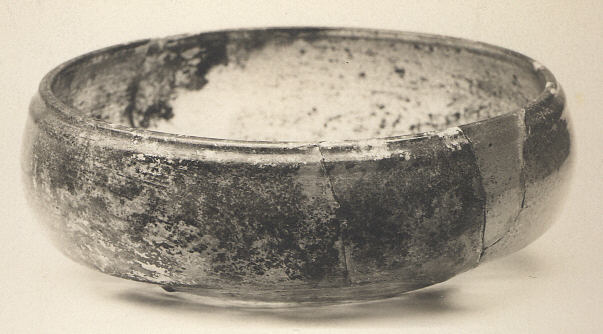
Heritage Analysis: The Impressed Glass Bowl of Ancient Civilization
This strategic standalone research paper, prepared for Katherine Fashion Lab, examines the impressed glass bowl from an ancient civilization as a profound artifact of symbolic power, historical adornment, and spiritual meaning. By deconstructing its material, technique, and cultural resonance, we extract actionable insights for a 2026 high-end luxury strategy that positions heritage as a cornerstone of brand authority. The bowl, though a quotidian object, embodies a nexus of craftsmanship, ritual, and status that transcends time, offering Katherine Fashion Lab a blueprint for curating exclusivity through narrative depth.
Symbolic Power: The Glass Vessel as a Marker of Prestige
In ancient civilizations, glass was not merely a utilitarian medium but a symbol of technological mastery and elite access. The impressed technique—whereby molten glass was pressed into molds or decorated with stamps—required specialized knowledge and controlled environments, often monopolized by royal workshops or temple complexes. The bowl’s form, typically open and shallow, served as a vessel for offerings, libations, or personal adornment items, linking its owner to divine favor and social hierarchy. For Katherine Fashion Lab, this symbolic power translates into a 2026 strategy that emphasizes exclusivity through craft. Just as ancient elites displayed glass bowls to signal their proximity to gods and rulers, modern luxury consumers seek objects that communicate insider status. The Lab can leverage this by producing limited-edition impressed glass accessories—such as bowls for ceremonial tea rituals or decorative platters for high-profile events—each numbered and accompanied by a provenance narrative that ties the piece to a specific ancient technique. This transforms the bowl from a commodity into a talisman of belonging, reinforcing brand loyalty among discerning clientele.
Historical Adornment: Glass as a Medium of Personal and Domestic Elegance
Historical adornment in ancient civilizations extended beyond the body to the domestic sphere. Glass bowls were often used to hold perfumes, oils, or precious stones, acting as both functional objects and decorative statements. The impressed patterns—geometric, floral, or mythological—mirrored the motifs found on jewelry and textiles, creating a cohesive aesthetic environment. This integration of adornment into daily life offers Katherine Fashion Lab a strategic directive for 2026: curate immersive lifestyle experiences. The Lab can develop a collection of impressed glass homewares—bowls, vases, and trays—that echo the patterns of its signature apparel or accessories. For instance, a bowl featuring an impressed labyrinth motif could be paired with a silk scarf bearing the same design, sold as a limited-edition set. This approach not only amplifies brand cohesion but also positions the Lab as a purveyor of total luxury, where every object in a consumer’s environment reflects their commitment to heritage and artistry. Historical evidence from ancient Mesopotamia and Rome shows that such coordinated adornment was reserved for the aristocracy; Katherine Fashion Lab can revive this exclusivity by offering bespoke bowl designs that align with a client’s personal style, documented through a consultation process that mirrors ancient patronage.
Spiritual Meaning: The Bowl as a Ritual Vessel
Spiritually, the glass bowl held profound significance in ancient civilizations as a conduit between the mortal and divine. Its transparency and light-refracting properties were often associated with purity, clarity, and the presence of deities. Impressed glass bowls were used in funerary rites, temple offerings, and healing ceremonies, where the patterns were believed to channel protective energies or invoke specific gods. For example, bowls with impressed sun motifs might have been used in solar cults, while those with wave patterns honored water deities. This spiritual dimension provides Katherine Fashion Lab with a powerful narrative for 2026: infuse objects with intention and ritual. The Lab can design a “Ritual Bowl Collection,” where each piece is created with a specific spiritual purpose—such as abundance, protection, or creativity—and marketed with a guided meditation or ceremony. This taps into the growing consumer demand for wellness and mindfulness in luxury, offering a product that is both aesthetically exquisite and emotionally resonant. By positioning the bowl as a tool for personal transformation, the Lab elevates it beyond decoration into a luxury wellness artifact. The impressed patterns can be reinterpreted through modern symbols—such as the Lab’s logo or a bespoke iconography—that clients activate during personal rituals, fostering a deep, ongoing relationship with the brand.
2026 High-End Luxury Strategy: Translating Heritage into Market Leadership
For Katherine Fashion Lab, the ancient impressed glass bowl is not a relic but a strategic asset. To capitalize on its heritage in 2026, the Lab must adopt a multi-pronged approach that integrates material, technique, and meaning into a coherent luxury proposition. First, material innovation should honor the original medium while pushing boundaries. The Lab can collaborate with master glass artisans to develop a proprietary impressed glass formula that incorporates precious metals or rare minerals, such as gold leaf or crushed lapis lazuli, into the glass matrix. This creates a unique, luminous effect that rivals the finest ancient examples, justifying a premium price point. Second, narrative marketing must be central. Each bowl should be accompanied by a digital provenance card—accessible via NFC tag—that details its design inspiration from a specific ancient civilization, the artisan’s process, and the spiritual meaning of its pattern. This educates consumers and builds brand authority as a guardian of heritage. Third, experiential retail should immerse clients in the ancient context. The Lab can host private “Impression Workshops” where clients select patterns and watch artisans impress them onto glass, mirroring the ancient commissioning process. This not only drives sales but creates memorable brand interactions that reinforce loyalty. Finally, strategic scarcity is essential. By limiting each impressed bowl design to a single production run of 100 pieces, the Lab mimics the rarity of ancient artifacts, ensuring that each piece appreciates in cultural and monetary value over time. This aligns with the 2026 luxury trend toward investment-grade objects, where consumers view purchases as assets rather than disposable goods.
Conclusion: The Bowl as a Catalyst for Brand Transcendence
The impressed glass bowl from ancient civilization offers Katherine Fashion Lab a rich tapestry of symbolic, historical, and spiritual insights that can be meticulously woven into a 2026 luxury strategy. By treating this artifact not as a static relic but as a dynamic blueprint, the Lab can craft objects that resonate with modern consumers’ desires for exclusivity, meaning, and craftsmanship. The bowl’s journey from a ritual vessel to a status symbol to a personal talisman mirrors the evolution of luxury itself—from functional to aspirational to transformational. For Katherine Fashion Lab, the challenge is not to replicate the past but to reinterpret its essence, creating a new heritage that future generations will study. This strategic standalone research underscores that the most profound luxury is not found in novelty but in the enduring power of objects that carry stories, spirits, and souls—a truth as timeless as the glass that holds it.