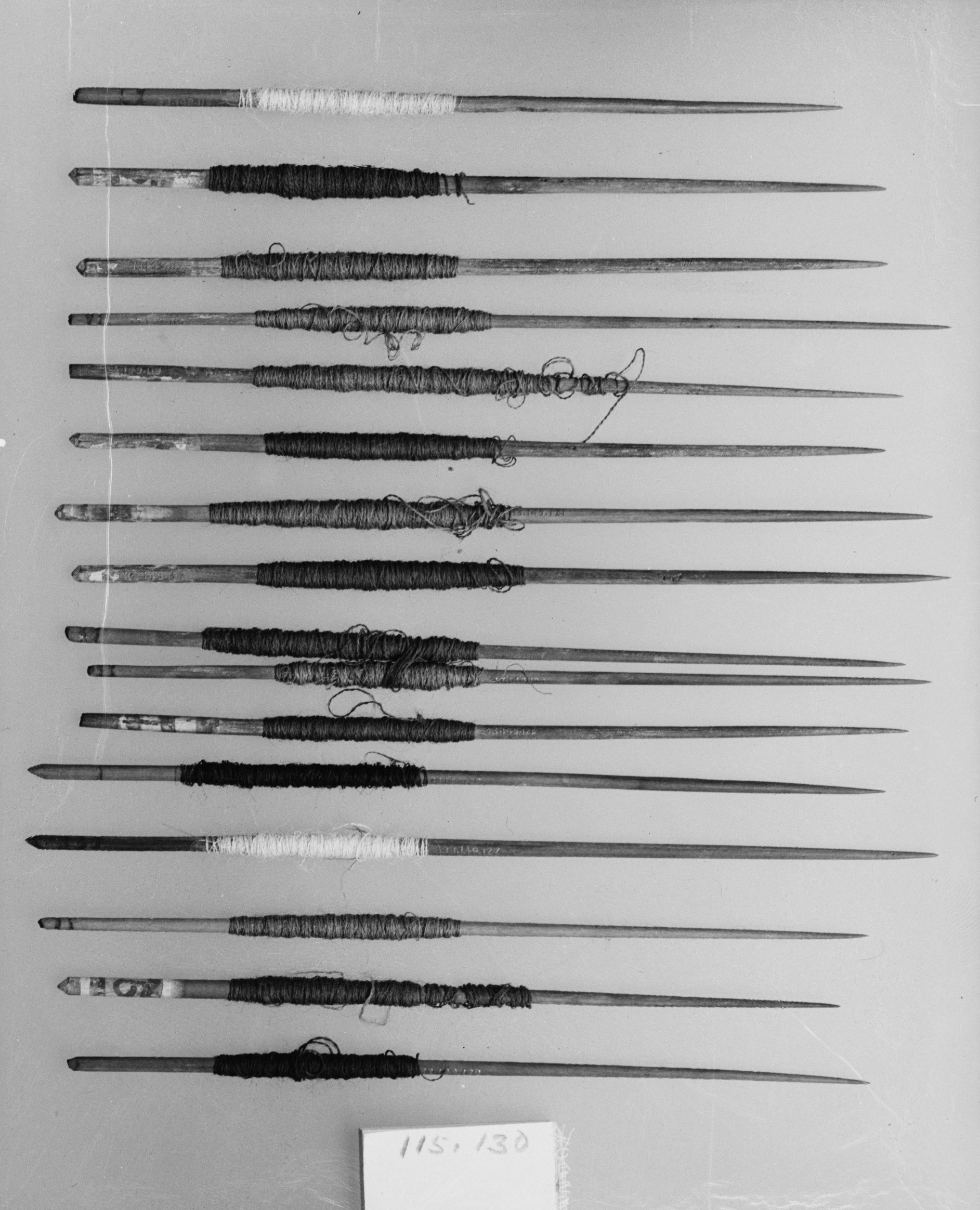
Heritage Analysis: The Peruvian Wooden Spindle at Katherine Fashion Lab
As Lead Heritage Curator for Katherine Fashion Lab, I present this strategic standalone research on the Peruvian wooden spindle, an artifact of profound cultural and historical significance. This analysis examines its symbolic power, historical adornment, spiritual meaning, and proposes a 2026 high-end luxury strategy. The spindle, traditionally crafted from wood and wrapped with camelid hair—often from alpaca or llama—represents a nexus of Andean craftsmanship and cosmological belief. For Katherine Fashion Lab, understanding this object is essential to authentically integrating heritage into luxury narratives that resonate with discerning global clientele.
Symbolic Power: The Spindle as a Tool of Creation and Authority
The wooden spindle in Peruvian culture is far more than a utilitarian device for spinning fiber; it embodies creation, fertility, and social authority. In pre-Columbian Andean societies, spinning and weaving were considered sacred acts, often associated with female deities such as Mama Quilla, the moon goddess, who was believed to weave the fabric of the cosmos. The spindle, therefore, symbolized the power to generate life and order from raw materials. Its wooden shaft, often carved from local trees like queñua or molle, connected the user to the earth, while the camelid hair—sourced from alpacas or llamas—represented the animal kingdom’s contribution to human survival.
Symbolically, the spindle was also a marker of status and identity. In Inca society, the quality of spun thread indicated a woman’s skill and her family’s wealth, as finer threads required greater expertise and access to premium camelid fibers. The spindle itself could be adorned with carvings or inlays, signifying its owner’s rank. For Katherine Fashion Lab, this symbolic power offers a compelling narrative for luxury: the spindle as a metaphor for transformative craftsmanship, where raw materials are elevated into objects of enduring value. This aligns with modern luxury consumers’ desire for authenticity and meaning behind their purchases.
Historical Adornment: The Spindle in Andean Dress and Ritual
Historically, the Peruvian wooden spindle was integral to adornment and identity. Andean textiles, spun from camelid hair using these spindles, were not merely clothing but were records of cultural knowledge, social status, and regional affiliation. The spindle’s role in producing thread for garments like the unku (tunic) or lliclla (shawl) meant it was a precursor to adornment itself. However, the spindle was also an adornment in its own right. In many Andean communities, spindles were carried as personal accessories, often tucked into belts or worn as pendants. Their visible presence signaled a woman’s industriousness and her role as a producer of the community’s textile wealth.
During the Inca Empire, spindles were sometimes ceremonially offered to deities or buried with elites, reflecting their importance in both life and death. Archaeological finds from sites like Machu Picchu reveal spindles made from exotic woods, indicating trade networks and the object’s value as a luxury good. This historical context positions the spindle as a precursor to modern luxury accessories—functional yet decorative, personal yet communal. For Katherine Fashion Lab, this historical adornment aspect can inspire a collection where the spindle’s form is reimagined into jewelry or wearable art, bridging past and present.
Spiritual Meaning: The Spindle as a Cosmic Connector
Spiritually, the Peruvian wooden spindle holds deep metaphysical significance in Andean cosmology. The act of spinning was believed to connect the spinner to the cosmos, as the spindle’s rotation mirrored the cycles of the sun, moon, and stars. The camelid hair, particularly from alpacas, was considered a sacred material because of its warmth, softness, and connection to the Pachamama (Earth Mother). The spindle itself was often consecrated before use, with prayers offered to ensure the thread would carry protective energies.
In shamanic traditions, the spindle was used in healing rituals to “spin” energy into physical form, such as creating amulets or textiles for ceremonial use. The wooden shaft was seen as a conduit between the earthly and spiritual realms, while the thread represented the woven fabric of destiny. This spiritual dimension elevates the spindle from a tool to a talisman, imbued with the power to protect, heal, and connect. For high-end luxury, this spiritual meaning offers a profound narrative: the spindle as a symbol of intentional creation, where each thread is a prayer or intention. Katherine Fashion Lab can leverage this to position its products as objects of mindfulness and heritage, appealing to consumers seeking spiritual authenticity.
2026 High-End Luxury Strategy: Integrating the Spindle into Katherine Fashion Lab
To harness the Peruvian wooden spindle’s heritage for a 2026 high-end luxury strategy, Katherine Fashion Lab must adopt a multifaceted approach that honors its cultural roots while innovating for modern sensibilities. The following strategic pillars are recommended:
1. Artisanal Collaborations and Limited Editions
Partner with Andean artisans from communities in Cusco or the Sacred Valley to create limited-edition collections that feature spindles as central motifs. These collaborations should emphasize fair trade and cultural preservation, with artisans credited in marketing materials. For example, a capsule collection of hand-spun alpaca scarves could include a miniature spindle pendant as a gift, reinforcing the object’s symbolic power. This strategy aligns with the luxury market’s growing demand for ethical craftsmanship and unique storytelling.
2. Jewelry and Accessories Line
Design a high-jewelry line inspired by the spindle’s form, using precious materials like gold, silver, and rare woods. The spindle’s silhouette can be reimagined as earrings, necklaces, or brooches, with camelid hair replaced by silk or fine metal threads. This line should be positioned as wearable heritage, with each piece accompanied by a booklet explaining its historical and spiritual significance. The 2026 luxury consumer values narrative-driven design, and this collection would cater to that desire for meaning.
3. Experiential Retail and Storytelling
Launch a pop-up experience in key luxury markets (e.g., Paris, New York, Tokyo) where clients can witness live spinning demonstrations by Andean artisans. This immersive retail strategy would allow customers to touch the camelid hair, see the spindle in action, and learn about its spiritual meaning. The experience should culminate in a personalized spinning ritual, where clients can “set an intention” for a custom-made textile. This aligns with the luxury trend of experiential consumption, where the purchase is a memory, not just a product.
4. Digital and Content Strategy
Develop a multimedia campaign titled “The Thread of Creation,” featuring documentary-style videos, interviews with artisans, and virtual reality tours of Andean weaving communities. This content should highlight the spindle’s symbolic power and spiritual meaning, positioning Katherine Fashion Lab as a custodian of cultural heritage. For 2026, digital storytelling is crucial for reaching younger, affluent consumers who seek authenticity and education in their luxury purchases.
5. Sustainability and Material Sourcing
Commit to sustainable sourcing of camelid hair from ethical alpaca farms in Peru, ensuring animal welfare and environmental stewardship. The wooden spindles used in collaborations should be crafted from reclaimed or certified sustainable woods, with artisans trained in traditional carving techniques. This sustainability narrative reinforces the spindle’s connection to the earth and appeals to the conscious luxury segment, which is projected to grow significantly by 2026.
Conclusion: The Spindle as a Blueprint for Heritage Luxury
The Peruvian wooden spindle is a powerful emblem of creation, identity, and spirituality. For Katherine Fashion Lab, it offers a rich tapestry of narratives that can be woven into a high-end luxury strategy for 2026. By honoring its symbolic power, historical adornment, and spiritual meaning, the Lab can create products and experiences that resonate deeply with consumers seeking authenticity, craftsmanship, and meaning. This heritage analysis serves as a foundation for a strategic vision that positions the spindle not as a relic, but as a living symbol of transformative luxury—one that spins the past into a future of enduring value.