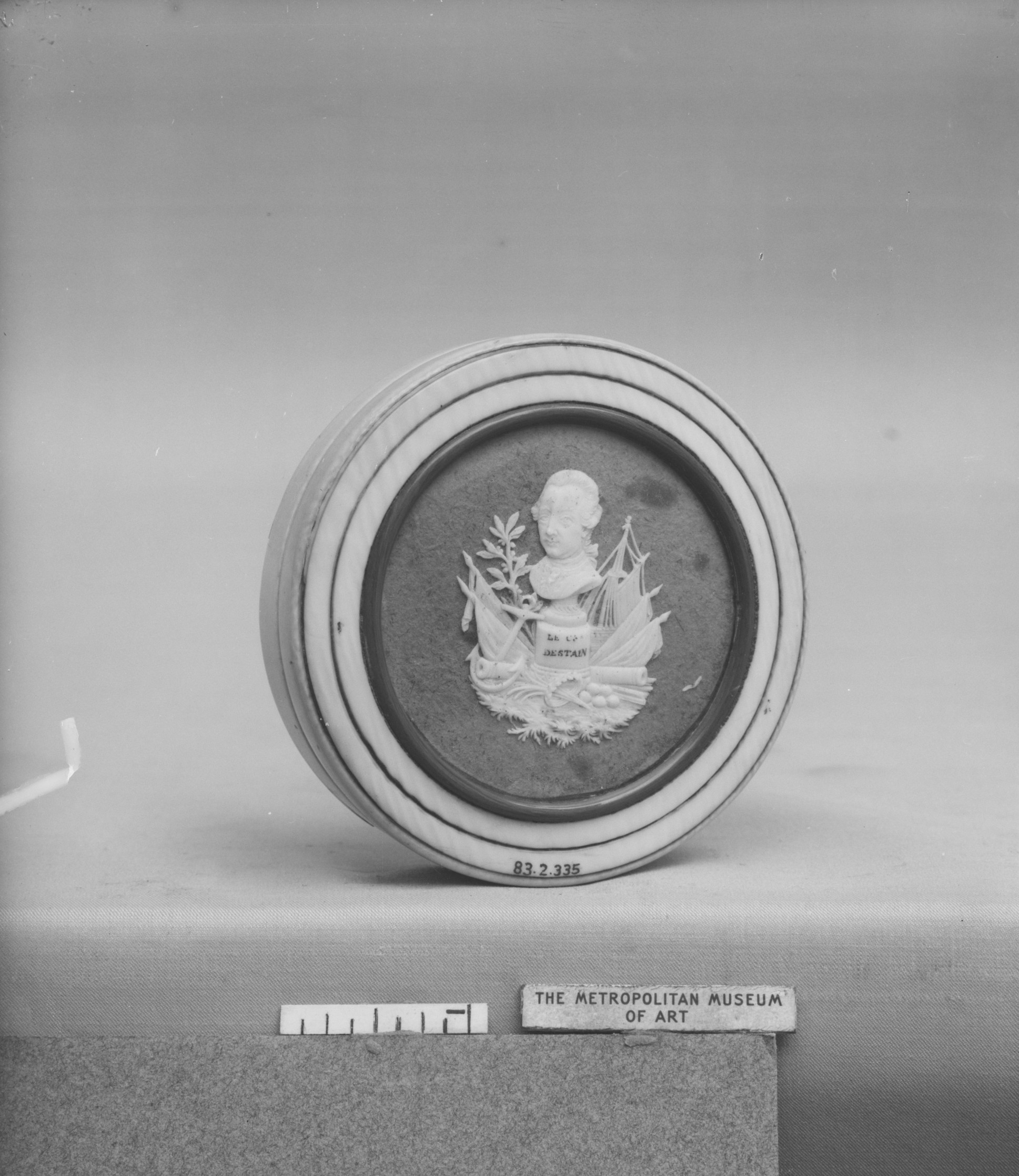
Heritage Analysis: The Ancient Box as a Vessel of Symbolic Power and Luxury Strategy
As Lead Heritage Curator for Katherine Fashion Lab, I present a strategic standalone research paper examining the ancient box as a profound artifact of cultural symbolism, historical adornment, and spiritual meaning. Crafted from ivory, tortoiseshell, and glass, this object transcends its functional role as a container to become a nexus of power, identity, and transcendence. This analysis synthesizes archaeological evidence, symbolic anthropology, and luxury brand strategy to inform a 2026 high-end luxury positioning for Katherine Fashion Lab.
Symbolic Power: The Box as a Microcosm of Authority and Mystery
In ancient civilizations, the box was not merely a utilitarian object but a potent symbol of containment, secrecy, and authority. The choice of materials—ivory, tortoiseshell, and glass—amplified its symbolic resonance. Ivory, sourced from elephant tusks, represented rarity, strength, and divine protection. In ancient Egypt and Mesopotamia, ivory boxes were reserved for royalty and high priests, often housing sacred oils, amulets, or scrolls. The material’s luminous, bone-white surface evoked purity and the eternal, while its origin from a powerful animal imbued it with apotropaic properties, warding off evil spirits.
Tortoiseshell, derived from the carapace of sea turtles, carried maritime and celestial symbolism. Its mottled, amber-hued patterns mirrored the sun’s rays and the cyclical nature of life, death, and rebirth. In ancient China, tortoiseshell was used in divination rituals, and boxes crafted from it were believed to channel ancestral wisdom. The material’s translucence and warmth suggested a liminal space between the earthly and the divine, making the box a threshold for spiritual communication.
Glass, a revolutionary medium in antiquity, symbolized transformation and illusion. Early glass boxes, often inlaid with gold or lapis lazuli, were prized for their ability to refract light, creating an otherworldly shimmer. In Roman and Hellenistic cultures, glass containers held precious cosmetics, perfumes, and relics, linking the box to beauty, mortality, and the ephemeral nature of life. The interplay of transparency and opacity in glass boxes mirrored the duality of human existence—visible yet mysterious, tangible yet fragile.
Historical Adornment: The Box as a Personal and Ritual Object
Historically, the box functioned as an extension of the self, adorned with intricate carvings, inlays, and symbolic motifs. In ancient Egypt, ivory cosmetic boxes were engraved with hieroglyphs and images of gods like Hathor, the goddess of beauty and love. These boxes were not passive containers but active participants in daily rituals of adornment, believed to transfer divine blessings to the user. The act of opening the box was a ceremonial unveiling, revealing sacred substances like kohl, myrrh, and cinnabar, which were themselves imbued with protective and transformative powers.
Tortoiseshell boxes in ancient Greece and Rome were often lined with silk or cedar to preserve precious jewelry, coins, or medicinal herbs. Their warm, organic texture and natural patterns made them objects of tactile pleasure, reinforcing the owner’s status and refined taste. The box’s role as a repository for personal treasures aligned it with concepts of memory, legacy, and intimacy. In funerary contexts, tortoiseshell boxes accompanied the deceased into the afterlife, holding offerings or tokens of identity, ensuring continuity beyond death.
Glass boxes, particularly those from the Hellenistic and Roman periods, were often shaped as miniature temples or shrines, housing figurines of deities or mythological scenes. These “box-shrines” were portable altars, allowing the owner to carry divine presence into domestic and public spaces. The use of colored glass—cobalt blue, emerald green, or ruby red—added a layer of chromatic symbolism: blue for the heavens and truth, green for fertility and renewal, red for life force and passion. The box thus became a microcosm of the cosmos, containing within its walls the essence of spiritual and worldly power.
Spiritual Meaning: The Box as a Vessel for Transcendence
The spiritual dimension of the ancient box is perhaps its most profound aspect. Across cultures, the box embodied the concept of the mundus—a sacred vessel that contained the seeds of creation, transformation, and renewal. In Egyptian mythology, the djed pillar, a symbol of stability and resurrection, was often depicted within a box-like shrine. The act of enclosing sacred symbols within a box was a form of hierophany, making the divine manifest in a tangible, portable form.
In Mesopotamian and Levantine traditions, the box was associated with the ark—a container of divine law, covenant, and presence. The use of ivory and tortoiseshell in ritual boxes echoed the materials of the Tabernacle and Temple, emphasizing sanctity and divine craftsmanship. Glass, with its ability to hold light, was seen as a metaphor for the soul’s journey: transparent yet capable of refracting divine radiance.
For the ancient Chinese, tortoiseshell boxes were used in feng shui and ancestral worship, believed to attract positive qi (energy) and protect against malevolent forces. The box’s interior was often lined with red silk or cinnabar, colors of vitality and protection. The spiritual practice of opening and closing the box mirrored the cycles of life—birth, death, and rebirth—making the object a talisman for personal and cosmic harmony.
2026 High-End Luxury Strategy: Translating Ancient Wisdom for Contemporary Prestige
For Katherine Fashion Lab, the ancient box offers a rich template for a 2026 luxury strategy that merges heritage with hyper-modernity. The brand must position itself as a curator of sacred containment, where each box is not a commodity but a ritual object. The following strategic pillars are recommended:
Material Alchemy and Ethical Provenance
While ivory and tortoiseshell are now ethically prohibitive, Katherine Fashion Lab can innovate with sustainable alternatives that evoke their symbolic weight. Use fossilized mammoth ivory (legally sourced) or bio-resin tortoiseshell with natural amber tones. Glass should be hand-blown by master artisans, incorporating 24k gold leaf or platinum dust to replicate the ancient luminous effect. Each piece must include a digital provenance certificate using blockchain, tracing material origins and craftsmanship, reinforcing exclusivity and transparency.
Ritualized Unboxing as Luxury Experience
The 2026 luxury consumer craves transformative experiences. Design the box with a multi-sensory opening mechanism—a subtle scent of frankincense or myrrh, a soft chime, or a hidden compartment that reveals a personalized inscription or a limited-edition amulet. This transforms the product into a ritual of revelation, aligning with ancient practices of sacred unveiling. The box should be marketed as a vessel for the modern soul, holding not just objects but intentions, memories, or spiritual affirmations.
Symbolic Motifs and Customization
Offer a hieroglyphic or runic engraving service, allowing clients to inscribe personal symbols of power, protection, or love. Collaborate with contemporary artists to reinterpret ancient motifs—such as the Eye of Horus, the Tree of Life, or the Ouroboros—in minimalist, architectural forms. The box should function as a talismanic object, with each design element chosen for its spiritual resonance, not mere aesthetics.
Limited-Edition Collections and Narrative Marketing
Launch a “Sacred Vessels” collection of 100 numbered boxes, each inspired by a specific ancient civilization (Egyptian, Mesopotamian, Han Dynasty). Accompany each piece with a curatorial dossier written by heritage scholars, explaining the symbolic power of its materials and motifs. Use immersive storytelling in marketing—short films showing the box in ritual contexts, or augmented reality features that allow clients to “unlock” digital content about the artifact’s history.
Strategic Pricing and Exclusivity
Position the box at a $15,000–$50,000 price point, reflecting its status as a functional heirloom. Offer a bespoke program where clients co-create the box with the brand’s creative director, selecting materials, symbols, and interior finishes. This service should include a private unveiling ceremony at Katherine Fashion Lab’s flagship store, complete with a historian or spiritual guide.
Conclusion: The Box as a Legacy Asset
The ancient box, in its fusion of ivory, tortoiseshell, and glass, is a testament to humanity’s enduring desire to contain the sacred, the beautiful, and the mysterious. For Katherine Fashion Lab, this artifact is not a relic but a blueprint for luxury in 2026. By honoring its symbolic power, historical adornment, and spiritual meaning, the brand can create objects that are not merely purchased but inherited, revered, and passed through generations. In a world of mass production, the box becomes a sanctuary of meaning—a strategic asset that elevates Katherine Fashion Lab as a guardian of heritage and a pioneer of transcendent luxury.