The Deconstruction of Lineage: A Couture Analysis of Katherine Fashion Lab’s “Border Fragment”
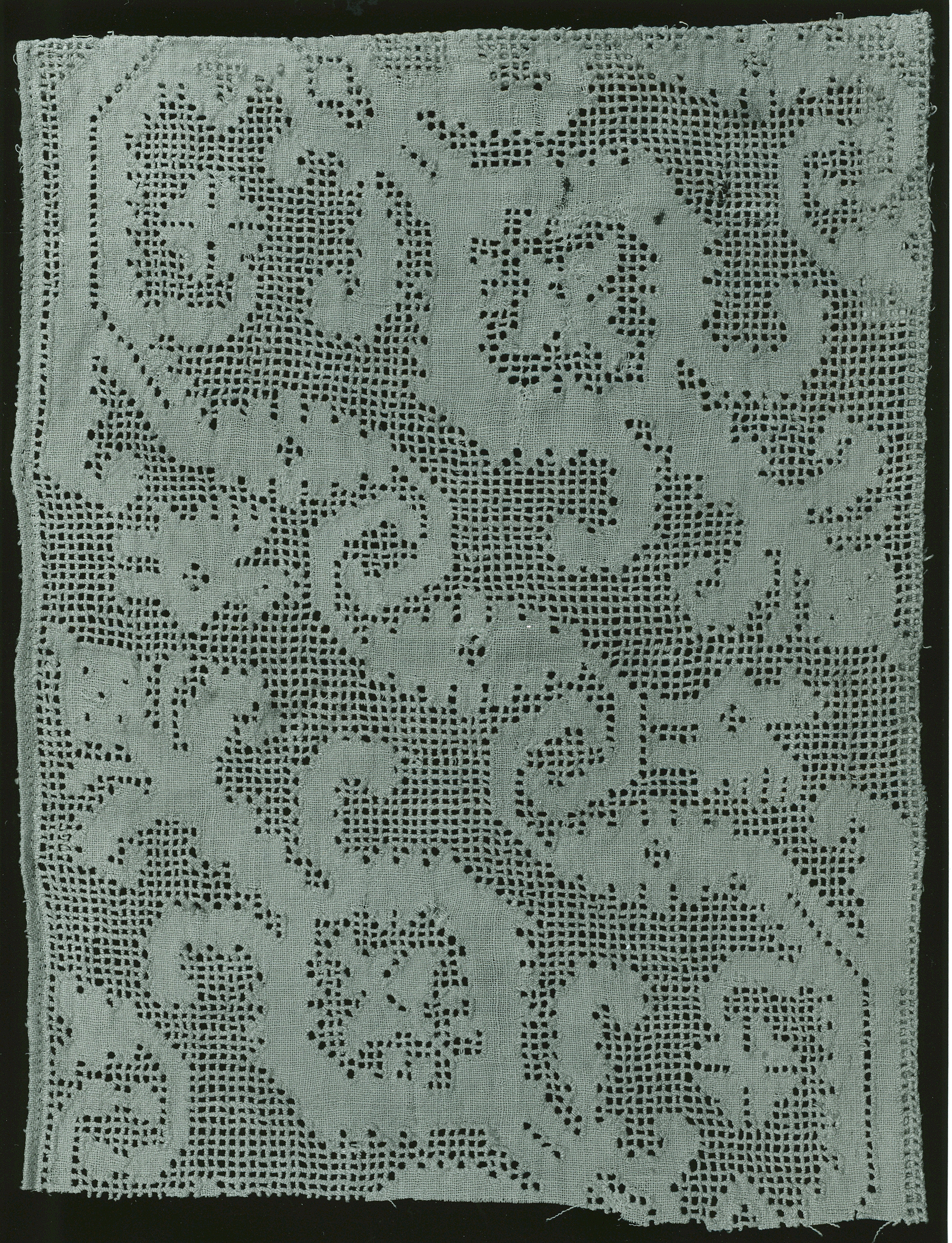
In an era where fashion often prioritizes the spectacular over the substantive, Katherine Fashion Lab’s “Border Fragment” emerges as a profound meditation on the essence of couture. This standalone study, originating from the storied textile houses of Italy and executed in pure linen, is not merely a garment but a thesis on the intersection of materiality, geography, and the deliberate incompleteness of design. As Lead Curator, I find this piece to be a masterclass in restraint—a work that challenges the very definition of luxury by foregrounding the raw, the unfinished, and the conceptually charged.
Materiality and Provenance: The Italian Linen Imperative
The choice of Italian linen as the foundational material is a deliberate strategic decision that elevates “Border Fragment” beyond mere aesthetic appeal. Italian linen, particularly from regions like the Veneto or Tuscany, is prized not only for its tensile strength and breathability but for its capacity to age with dignity. Unlike the synthetic or blended fabrics that dominate fast fashion, this linen possesses a narrative texture—each fiber is a record of the soil, the harvest, and the artisanal retting process that has remained unchanged for centuries. In couture analysis, material provenance is not a footnote; it is the primary text. Here, the linen’s slightly irregular weave and its natural, unbleached ecru tone serve as a canvas for the “border” concept. The fabric does not submit to the designer’s will; it collaborates, offering resistance that forces the cut and construction to respect its organic limitations. This is a hallmark of Katherine Fashion Lab’s philosophy: the fabric is not a blank slate but a living archive.
The Conceptual Framework: Border as Both Limit and Threshold
The title “Border Fragment” invites multiple readings, each layered with semiotic weight. In geopolitical terms, a border is a line of demarcation, a site of tension and control. In the context of this garment, the border is not a hem or a finished edge—it is a deliberate fracture. The piece appears as a fragment of a larger, imagined whole, with raw, unstitched edges that mimic the torn boundaries of a map or a document. This is not carelessness; it is a sophisticated critique of perfectionism in fashion. By leaving the borders unresolved, Katherine Fashion Lab posits that true luxury lies in the acceptance of impermanence. The fragment status further suggests that this garment is a relic of a lost civilization—perhaps a future archaeologist’s find—imbuing the wearer with a role as a custodian of history. The standalone study context amplifies this: without the distraction of a full collection, the viewer is forced to confront the piece as an object of pure contemplation, akin to a sculpture in a gallery.
Structural Deconstruction: The Anatomy of the Fragment
From a technical standpoint, “Border Fragment” employs a series of radical construction techniques that subvert traditional couture. The garment is asymmetrical, with one side featuring a clean, bias-cut drape that falls to the mid-calf, while the opposite side is a raw, jagged edge that terminates at the hip. This asymmetry creates a dynamic visual tension, a dialogue between order and chaos. The linen is pleated in an irregular, almost geological pattern across the torso, using hand-stitched tucks that require dozens of hours of labor. These pleats do not follow a strict grid; they mimic the contours of a topographical map, reinforcing the border motif. The neckline is a high, mandarin-style collar that is left partially unsewn, with loose threads trailing down the back—a deliberate “error” that signals the hand of the artisan. The sleeves, if they can be called that, are mere suggestions: a single sleeve on the right arm is fully constructed and cuffed, while the left armhole is left open, revealing the shoulder and a glimpse of the linen’s inner structure. This is not deconstruction for shock value; it is a systematic interrogation of the garment’s own anatomy.
The Palette of Absence: Color and Texture as Narrative Devices
The color palette of “Border Fragment” is deliberately monochromatic, relying on the natural spectrum of undyed linen: from the pale ivory of the base to the deeper, almost ochre tones where the fabric has been lightly stained with iron oxide. This is not a garment that shouts; it whispers. The absence of pigment is a powerful statement in an industry saturated with chromatic excess. The texture becomes the primary visual language. The linen’s slubs—those tiny knots and irregularities—are celebrated rather than hidden. They are the “fragments” of the fabric’s own history. Katherine Fashion Lab has also introduced a subtle, almost imperceptible layer of hand-stitched silk thread in a matching ecru tone along the raw edges. This thread does not reinforce the border; it questions its necessity, creating a ghostly outline that suggests a line that was once there but is now erased. The effect is hauntingly minimal, requiring the viewer to lean in, to touch, to engage in a tactile dialogue that is rare in the age of digital fashion.
Contextual Significance: A Standalone Study in a Fragmented World
The decision to present “Border Fragment” as a standalone study is perhaps its most daring curatorial choice. In an industry driven by seasonal collections and commercial cycles, this piece exists outside of time. It is not part of a Spring/Summer or Autumn/Winter narrative; it is a permanent artifact. This allows the viewer to consider the garment without the pressure of trend analysis. The fragment motif resonates deeply with contemporary cultural anxieties—about climate change, geopolitical instability, and the erosion of traditional crafts. The unstitched borders evoke the porous boundaries of nations, while the linen, a material that requires significant land and water to produce, reminds us of the ecological cost of beauty. Yet, the piece is not didactic. It offers no solutions. Instead, it holds a mirror to the fragmented state of our world, inviting the wearer to inhabit the space between completion and decay.
Conclusion: The Enduring Value of the Unfinished
Katherine Fashion Lab’s “Border Fragment” is a triumph of intellectual rigor in couture. It demonstrates that luxury is not found in the flawless execution of a pattern but in the courage to leave the work undone. The Italian linen, with its inherent honesty, becomes a partner in this exploration. The raw edges, the asymmetrical cut, and the monochrome palette are not deficiencies; they are deliberate provocations. As a standalone study, this piece demands that we reconsider the very nature of a garment: is it a product to be consumed, or a statement to be contemplated? For the discerning collector, “Border Fragment” is an investment in meaning—a wearable meditation on the beauty of borders, both real and imagined, and the fragments we choose to preserve. It is, in the truest sense, a fragment of a larger conversation about the future of fashion itself.