Heritage Analysis: Concert Champêtre for Katherine Fashion Lab
Introduction: The Intersection of Arcadian Ideals and Luxury Brand Strategy
The painting Concert Champêtre, attributed to the Venetian Renaissance and long associated with the pastoral traditions of ancient civilization, offers a profound repository of symbolic power, historical adornment, and spiritual meaning. For Katherine Fashion Lab, this work serves not merely as an artifact of art history but as a strategic blueprint for a 2026 high-end luxury collection. By decoding the visual language of this masterpiece—its mythological undertones, its depiction of leisure and hierarchy, and its nuanced use of drapery and ornament—we can construct a heritage-driven narrative that elevates brand authority and resonates with contemporary connoisseurs of luxury.
Symbolic Power in Concert Champêtre: The Dialectic of Nature and Civilization
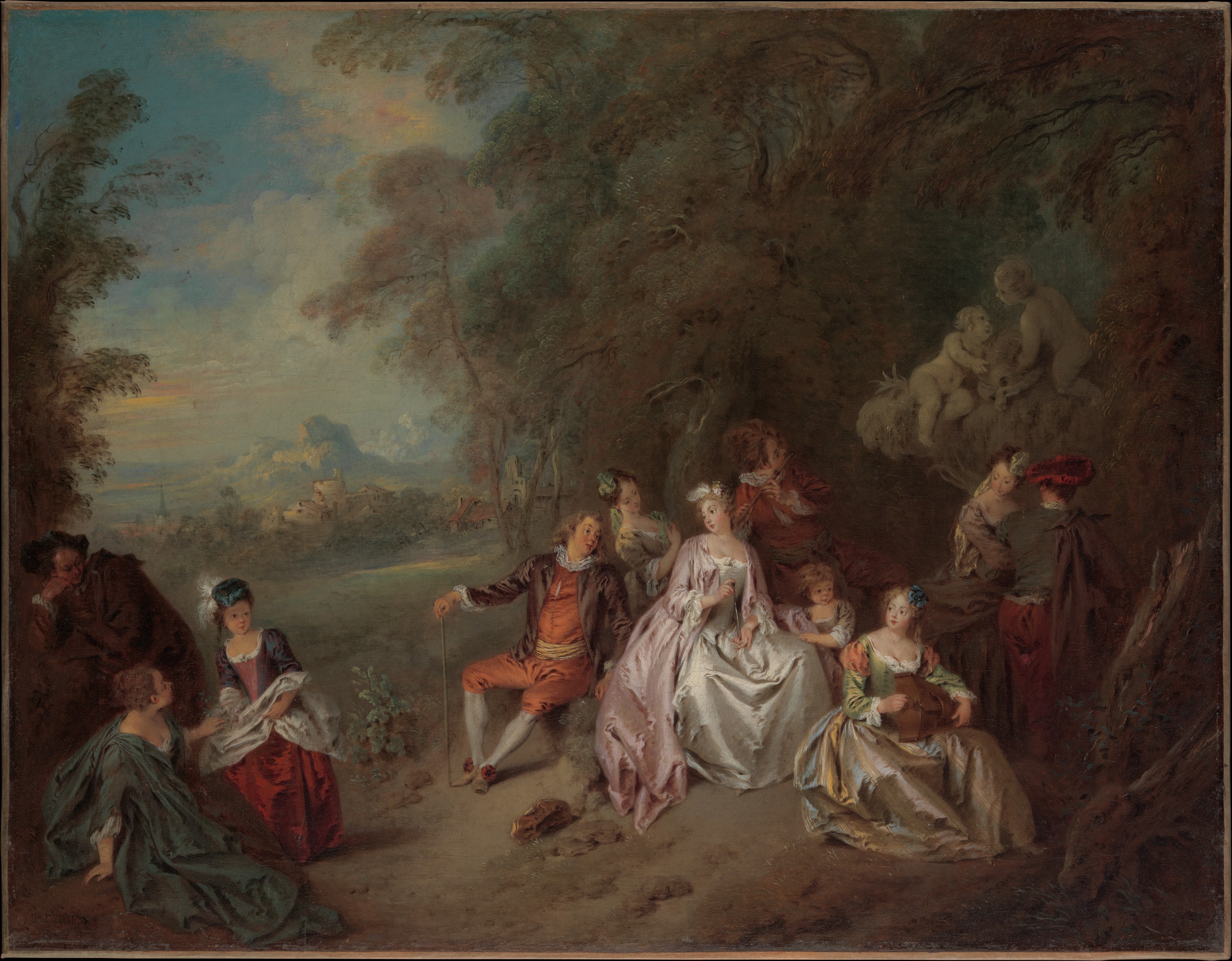
At its core, Concert Champêtre embodies a tension between the untamed natural world and the cultivated human sphere. The painting features two nude female figures—one seated, holding a flute, and the other standing, pouring water—alongside two fully clothed male figures in contemporary Renaissance attire. This juxtaposition is not accidental; it is a deliberate invocation of the Arcadian myth, a concept deeply rooted in ancient Greek and Roman pastoral poetry. The nude women represent nymphs or muses, divine beings who exist outside the constraints of mortal society, while the clothed men symbolize the civilized intellect seeking inspiration from the natural world.
For Katherine Fashion Lab, this symbolic power translates into a luxury strategy that positions the brand as a mediator between timeless nature and refined craftsmanship. In 2026, high-end consumers are increasingly drawn to narratives that balance escapism with intellectual depth. The Concert Champêtre motif can be leveraged to create a collection that celebrates unadorned elegance—silhouettes that mimic flowing water or organic forms—juxtaposed with meticulously tailored structures reminiscent of Renaissance garments. This duality reinforces the brand’s ability to offer both authenticity and exclusivity.
Historical Adornment: Costume as a Marker of Status and Identity
The clothing in Concert Champêtre is a masterclass in historical adornment as a signifier of social rank and cultural values. The male figures wear doublets, hose, and velvet caps—garments that denote wealth, education, and urbanity. In contrast, the female figures are nude, yet their bodies are idealized and adorned with subtle natural elements: a flowing stream, a musical instrument, the soft light of an idyllic landscape. This distinction highlights the Renaissance belief that adornment was a privilege of the civilized, while the divine or mythical required no artificial enhancement.
Katherine Fashion Lab can reinterpret this historical adornment for a 2026 luxury market by focusing on material storytelling. For instance, the velvet and brocade of the male figures can inspire a line of structured outerwear in deep, earthy tones—forest green, ochre, and midnight blue—while the fluidity of the female forms can inform draped silk gowns that evoke the movement of water or wind. The key is to emphasize contrast: the tension between the heavy, opulent fabrics of the past and the light, ethereal textiles of the natural world. This approach not only honors the painting’s visual hierarchy but also appeals to luxury clients seeking tactile and visual diversity in their wardrobes.
Spiritual Meaning: The Pastoral as a Path to Transcendence
The spiritual dimension of Concert Champêtre lies in its depiction of harmony between humanity, nature, and the divine. The musical instrument—a lute or flute—serves as a conduit for spiritual communication, a theme deeply embedded in ancient traditions where music was believed to bridge the mortal and immortal realms. The landscape itself is not merely a backdrop but a sacred space, a locus of contemplation and renewal. This aligns with the Renaissance humanist ideal that beauty and art were paths to higher understanding.
For Katherine Fashion Lab, this spiritual meaning can be translated into a brand ethos of mindfulness and transcendence. In 2026, luxury consumers are increasingly seeking experiential value over material accumulation. A collection inspired by Concert Champêtre can incorporate ritualistic elements: garments designed for specific moments of quiet reflection, such as a cashmere wrap that mimics the softness of clouds or a linen shirt that breathes like the breeze. The use of natural dyes and hand-embroidered motifs of leaves or water droplets can further reinforce the spiritual connection to the earth. By positioning the collection as armor for the soul, the brand taps into a deep-seated desire for inner peace and authenticity.
2026 High-End Luxury Strategy: From Heritage to Hyper-Curated Exclusivity
The strategic application of Concert Champêtre for Katherine Fashion Lab in 2026 requires a multi-pronged approach that marries historical reverence with contemporary innovation. The following pillars form the foundation of this strategy:
1. Narrative-Driven Product Development: Each piece in the collection should tell a story. For example, a flute-inspired necklace in oxidized silver can reference the musical theme, while a water-pour motif on a silk scarf can evoke the nymph’s act of offering. Limited-edition pieces, such as a hand-painted velvet doublet featuring a pastoral scene, can become collector’s items. This narrative depth justifies premium pricing and fosters emotional attachment.
2. Experiential Retail and Digital Immersion: The launch of the Concert Champêtre collection should be accompanied by a curated sensory experience. Pop-up showrooms designed to mimic the painting’s landscape—with real grass, flowing water features, and ambient lute music—can transport clients into the Arcadian world. Digital campaigns can use augmented reality (AR) to allow customers to “step into” the painting, exploring the clothing in a 360-degree virtual environment. This blend of physical and digital luxury aligns with the expectations of Gen Z and millennial high-net-worth individuals.
3. Strategic Collaborations and Cultural Authority: Partnering with museums, music conservatories, or landscape architects can enhance the collection’s credibility. For instance, a collaboration with a renowned luthier to create custom instrument cases or a limited-edition fragrance inspired by the painting’s floral notes can expand the brand’s ecosystem. Such partnerships position Katherine Fashion Lab as a cultural arbiter, not merely a clothing label.
4. Sustainability as Spiritual Practice: The pastoral theme inherently advocates for environmental stewardship. The 2026 collection can champion regenerative agriculture for raw materials, such as organic cotton or ethically sourced wool, and zero-waste pattern cutting. By framing sustainability as a spiritual act of preservation, the brand appeals to the growing demographic of conscious luxury consumers who view their purchases as extensions of their values.
Conclusion: The Enduring Allure of Arcadia
Concert Champêtre is more than a painting; it is a philosophical statement on the human condition, a celebration of beauty, and a testament to the power of art to transcend time. For Katherine Fashion Lab, this heritage analysis reveals a clear pathway to differentiation in a crowded luxury market. By weaving the symbolic power, historical adornment, and spiritual meaning of this masterpiece into a cohesive 2026 strategy, the brand can offer its clients not just clothing, but a portal to a more harmonious existence. In an era of digital noise and fleeting trends, the timeless allure of Arcadia—captured in oil on canvas centuries ago—remains the ultimate luxury.