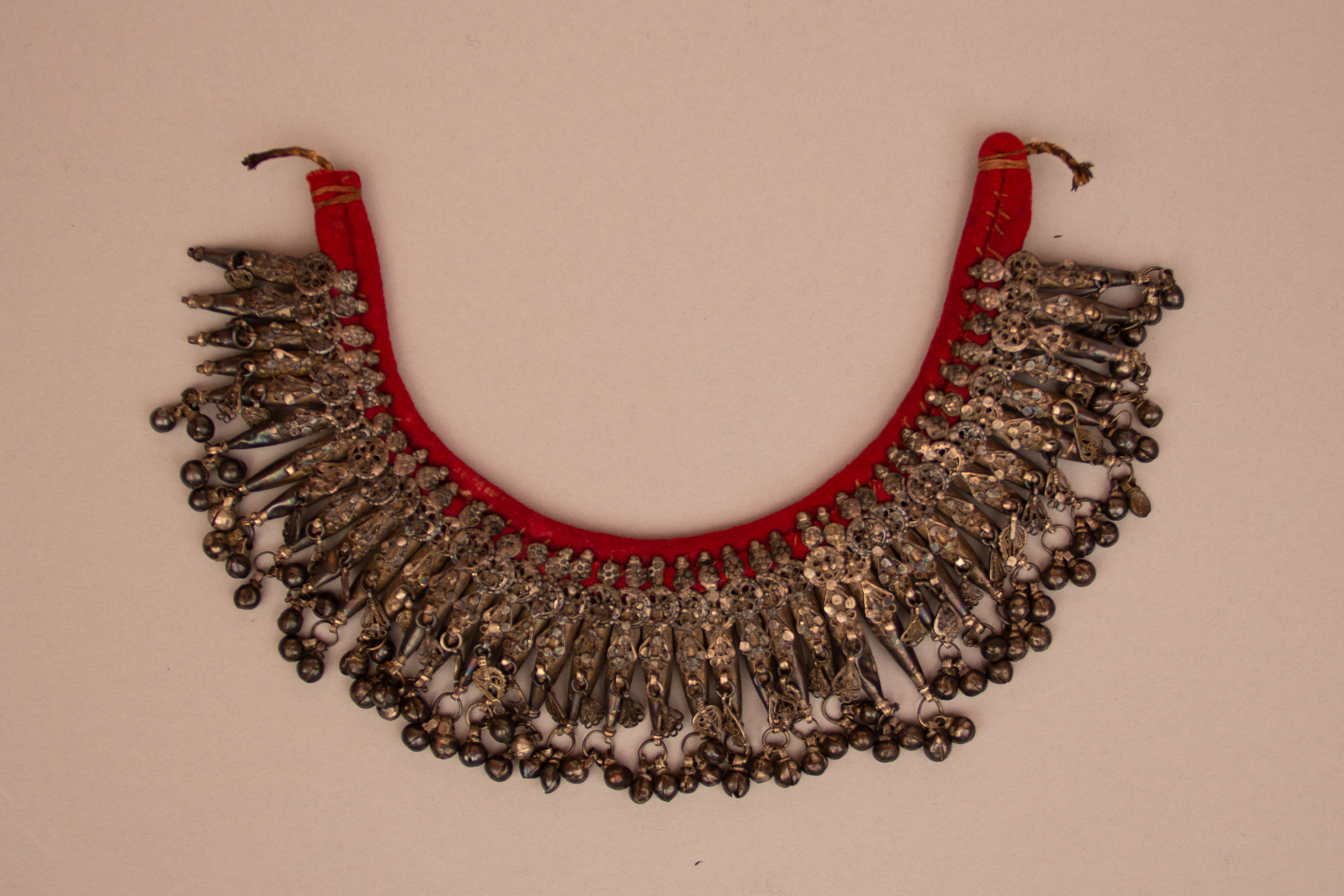
Heritage Analysis: The Silver and Cloth Necklace of an Ancient Civilization
Introduction: The Object as a Cultural Archive
The silver and cloth necklace from an ancient civilization represents far more than a decorative accessory; it is a condensed archive of symbolic power, spiritual belief, and social hierarchy. As the Lead Heritage Curator for Katherine Fashion Lab, this analysis examines the necklace through the dual lenses of historical adornment and contemporary luxury strategy. The object’s medium—silver, a metal associated with lunar deities and purity, combined with cloth, a perishable yet intimate material—offers a unique entry point into understanding how ancient peoples encoded meaning into wearable art. For the 2026 high-end luxury market, this necklace provides a strategic blueprint for reimagining heritage as a driver of exclusivity, storytelling, and emotional resonance.
Symbolic Power: Silver as a Conduit of Status and Protection
In many ancient civilizations, silver was not merely a precious metal but a symbol of cosmic order and divine favor. Unlike gold, which often represented the sun and earthly kingship, silver was associated with the moon, water, and the underworld. The necklace’s silver components likely signified the wearer’s connection to lunar cycles, fertility, and protective spirits. For instance, in Mesopotamian and Andean cultures, silver amulets were worn to ward off evil and ensure safe passage into the afterlife. The cloth element, often woven from plant fibers or animal hair, introduced a tactile dimension of impermanence and human labor. Together, silver and cloth created a dialectic between the eternal and the ephemeral, suggesting that the wearer’s power was both divinely sanctioned and rooted in earthly craft.
Strategic Implication for 2026: Katherine Fashion Lab can leverage this symbolic duality by positioning silver and cloth as materials of “protected luxury.” In a market increasingly saturated with mass-produced goods, a necklace that embodies protection and cosmic alignment offers a narrative of rarity. The 2026 collection could emphasize “amulet-inspired” pieces, where each silver pendant is hand-hammered to mimic ancient techniques, and the cloth is sourced from heritage weaving communities. This approach aligns with the growing demand for jewelry that serves as a talisman, not just an accessory.
Historical Adornment: The Necklace as Social Cartography
Historical adornment was never arbitrary. In ancient civilizations, necklaces functioned as social cartography, mapping the wearer’s rank, tribe, marital status, and even profession. The silver and cloth necklace under analysis likely belonged to a priestess, a matriarch, or a warrior—figures who occupied liminal spaces between the mortal and the divine. The weight of the silver, the complexity of the weave, and the inclusion of specific motifs (e.g., spirals, crescent moons, or animal totems) would have been immediately legible to contemporaries. For example, in pre-Columbian societies, a necklace with alternating silver discs and woven cotton bands could indicate a woman’s role as a mediator between her clan and the spirit world. The cloth, often dyed with natural pigments, added another layer of meaning: red for life force, blue for water, and white for purity.
Strategic Implication for 2026: Katherine Fashion Lab can translate this social cartography into a “bespoke heritage” service. By offering clients the ability to customize silver and cloth necklaces with symbols that reflect their personal lineage or aspirations, the brand taps into the luxury consumer’s desire for identity affirmation. The 2026 strategy could include a “Symbolic Atlas” consultation, where curators and clients co-create a necklace that encodes the wearer’s life narrative. This transforms the necklace from a commodity into a heirloom-in-the-making, commanding a premium price point.
Spiritual Meaning: Ritual Use and the Afterlife
The spiritual dimension of this necklace cannot be overstated. In many ancient civilizations, jewelry was not worn for daily display but reserved for ritual ceremonies, funerary rites, and initiations. The silver and cloth necklace likely played a role in transitional moments—birth, marriage, death, or seasonal festivals. Silver’s reflective surface was believed to capture and deflect negative energy, while the cloth, often imbued with scented oils or resins, activated the wearer’s olfactory senses to induce altered states of consciousness. Archaeological evidence from Egyptian and Scythian burial sites reveals that such necklaces were placed on the deceased to guide them through the underworld. The cloth, being biodegradable, symbolized the body’s return to earth, while the silver endured as a marker of the soul’s immortality.
Strategic Implication for 2026: The luxury market is witnessing a resurgence of interest in “ritualistic consumption.” Katherine Fashion Lab can position the silver and cloth necklace as a tool for modern rites of passage. For the 2026 collection, consider limited-edition “Ritual Series” necklaces, each accompanied by a ceremonial cloth pouch and a guide to intentional wearing. Marketing campaigns could focus on moments of transition—career changes, marriages, or personal milestones—framing the necklace as a spiritual anchor. This elevates the product from fashion to philosophy, appealing to high-net-worth individuals seeking meaning in their acquisitions.
2026 High-End Luxury Strategy: Heritage as a Competitive Advantage
To integrate this heritage analysis into a viable 2026 strategy, Katherine Fashion Lab must adopt a multi-pronged approach that respects the object’s origins while innovating for contemporary tastes. The following strategic pillars are recommended:
1. Material Provenance and Artisanal Revival: Source silver from ethical, small-scale mines and partner with indigenous weavers to produce cloth using ancient techniques. This not only ensures authenticity but also creates a compelling sustainability narrative. For 2026, consumers will pay a premium for traceability—knowing that their necklace supports cultural preservation.
2. Narrative-Driven Pricing: Each necklace should be accompanied by a “heritage dossier” detailing the symbolic meaning of its motifs, the origin of its silver, and the story of the cloth’s weaver. This transforms the purchase into an educational experience, justifying a price point of $5,000–$15,000 for flagship pieces.
3. Experiential Retail: Launch pop-up “Curatorial Salons” where clients can handle replica artifacts, learn about ancient symbolism, and commission bespoke pieces. This blends luxury retail with museum-grade education, fostering brand loyalty among discerning buyers.
4. Digital Storytelling: Use augmented reality (AR) to allow clients to “see” the necklace’s spiritual aura or historical context through a branded app. For 2026, digital layers of meaning will differentiate Katherine Fashion Lab from competitors who rely solely on physical aesthetics.
Conclusion: The Necklace as a Bridge Across Time
The silver and cloth necklace of an ancient civilization is not a relic to be passively observed but a dynamic source of strategic inspiration. Its symbolic power, historical function as social cartography, and spiritual resonance offer Katherine Fashion Lab a roadmap for creating luxury that is both timeless and timely. By honoring the object’s heritage while reimagining its relevance for 2026, the brand can capture a market segment that craves depth, authenticity, and transformation. In an era of fast fashion and fleeting trends, this necklace stands as a testament to the enduring value of meaning—a value that Katherine Fashion Lab is uniquely positioned to deliver.