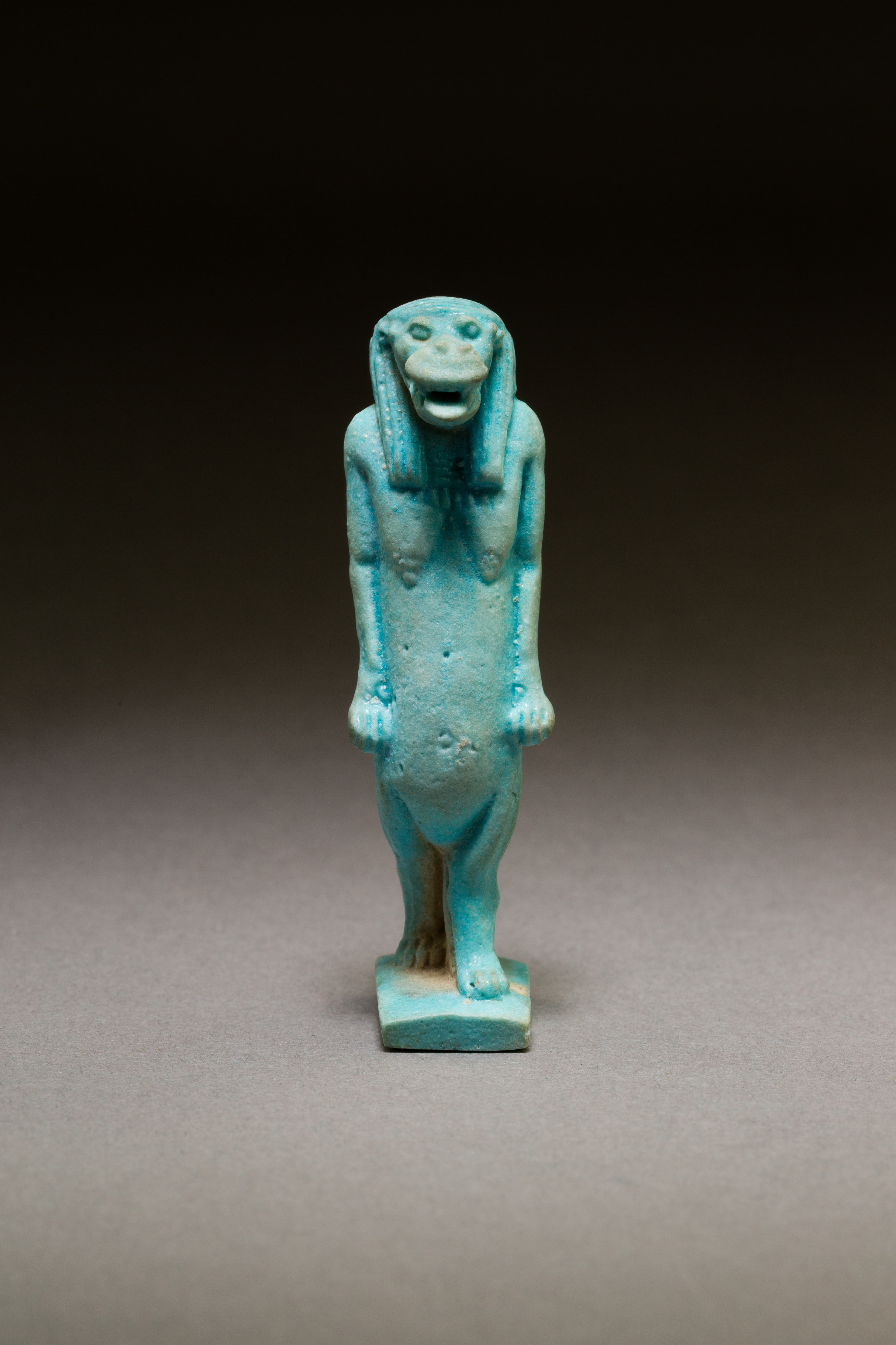
Heritage Analysis: The Taweret Amulet in Faience
Introduction: The Amulet as a Nexus of Power and Prestige
The Taweret amulet, rendered in vibrant blue-green faience, represents a pinnacle of ancient Egyptian symbolic technology. For Katherine Fashion Lab, this artifact is not merely a historical curiosity but a strategic blueprint for 2026 high-end luxury. As a Lead Heritage Curator, I analyze this piece through the lenses of symbolic power, historical adornment, spiritual meaning, and contemporary brand strategy. The amulet’s capacity to merge protective function with aesthetic sophistication offers a compelling model for luxury products that resonate with modern consumers seeking authenticity, meaning, and exclusivity.
Symbolic Power: The Iconography of Protection and Fertility
The Taweret amulet embodies a complex fusion of apotropaic and generative forces. Taweret, the hippopotamus goddess, is depicted with a pregnant belly, lioness paws, and a crocodile tail—a tripartite symbolism that wards off evil while promoting fertility and safe childbirth. In ancient Egyptian belief, the hippopotamus was both a destructive Nile threat and a maternal protector, a duality that amplified the amulet’s perceived potency. The faience medium, with its shimmering glaze, was thought to mimic the life-giving waters of the Nile, further enhancing the amulet’s symbolic resonance. For the wearer, this object was not passive; it was an active agent of cosmic order, deflecting chaos (Isfet) and channeling divine protection (Ma’at). In a 2026 luxury context, this layered symbolism translates into a product that offers more than surface beauty—it provides a narrative of resilience, transformation, and empowerment. High-end consumers increasingly seek objects that confer a sense of control and meaning in an unpredictable world, making the Taweret amulet’s protective symbolism a potent brand asset.
Historical Adornment: The Amulet as Status and Identity Marker
In ancient Egypt, amulets like this Taweret example were worn by individuals across social strata, yet their material and craftsmanship signaled rank. Faience, a non-clay ceramic, was accessible to the elite due to its labor-intensive production: grinding quartz, adding alkali, and firing to achieve its vitreous surface. The amulet’s size (typically 1–3 cm) and drilled suspension hole indicate it was strung on necklaces, bracelets, or incorporated into broad collars. Archaeological evidence from Deir el-Medina and Theban tombs shows Taweret amulets placed on mummies or worn by pregnant women, reinforcing their role as both personal adornment and ritual tool. The color blue-green (wedjat) was associated with rebirth and the eye of Horus, making the faience amulet a dual signifier of life and status. For Katherine Fashion Lab, this historical precedent underscores the importance of material provenance and craftsmanship in luxury. The 2026 consumer values objects that tell a story of skilled making—similar to the faience artisan’s mastery. By referencing this tradition, the brand can position its collections as heirlooms, not mere accessories, leveraging the amulet’s historical role as a marker of identity and social capital.
Spiritual Meaning: The Amulet as a Conduit for Transcendence
The spiritual dimension of the Taweret amulet extends beyond superstition into a structured cosmology. In the ancient Egyptian worldview, amulets were part of a transactional relationship between the human and divine. The Taweret amulet was often inscribed with spells from the Book of the Dead or placed on the chest of the deceased to ensure safe passage through the underworld. Its protective power was not abstract; it was believed to physically repel demons like Apep, the serpent of chaos. The faience glaze, when polished, was thought to capture sunlight (Ra’s energy), transforming the amulet into a miniature solar vessel. This spiritual efficacy required ritual activation—a priest or owner would recite incantations to “charge” the amulet. For modern luxury, this concept of activation offers a strategic parallel. In 2026, high-end brands can incorporate “ritual” into the consumer experience, such as limited-edition unboxing ceremonies or digital authentication linked to spiritual narratives. The Taweret amulet teaches that meaning is not inherent but constructed through deliberate practice—a lesson for luxury houses aiming to create cult-like devotion around their products.
Strategic Standalone Research: From Artifact to 2026 Luxury Strategy
This standalone analysis yields three actionable insights for Katherine Fashion Lab’s 2026 high-end luxury strategy. First, the symbolic power of the Taweret amulet suggests a product line centered on “protection” as a luxury value. In an era of climate anxiety and digital overload, consumers will pay a premium for objects that promise psychological safety. A capsule collection of faience-inspired jewelry or accessories, each piece “blessed” with a modern mantra, could tap into this desire. Second, the historical adornment aspect highlights the need for material storytelling. Katherine Fashion Lab should invest in proprietary faience-like glazes or collaborate with ceramic artists to create limited runs. The amulet’s small scale also informs a micro-luxury trend—delicate, wearable art that commands high prices due to craftsmanship, not size. Third, the spiritual meaning of the amulet offers a blueprint for experiential luxury. In 2026, consider pop-up “sanctuaries” where clients can select amulets based on personal intentions (fertility, career, health), mirroring ancient activation rituals. This transforms a purchase into a transformative event, building brand loyalty through emotional resonance.
Conclusion: The Taweret Amulet as a Timeless Luxury Archetype
The Taweret faience amulet is a masterclass in the fusion of form, function, and metaphysics. For Katherine Fashion Lab, it provides a heritage-rich foundation for a 2026 luxury strategy that prioritizes symbolism over spectacle, craftsmanship over mass production, and spiritual depth over superficial trend. By drawing on the amulet’s protective power, historical prestige, and ritualistic meaning, the brand can create products that are not merely worn but experienced as extensions of identity. In a marketplace saturated with ephemeral luxury, the Taweret amulet reminds us that true heritage endures—and that the most powerful luxury is the one that protects, empowers, and transcends.