Heritage Analysis: The Sampler in Ancient Civilization
Introduction: The Sampler as a Cultural Artifact
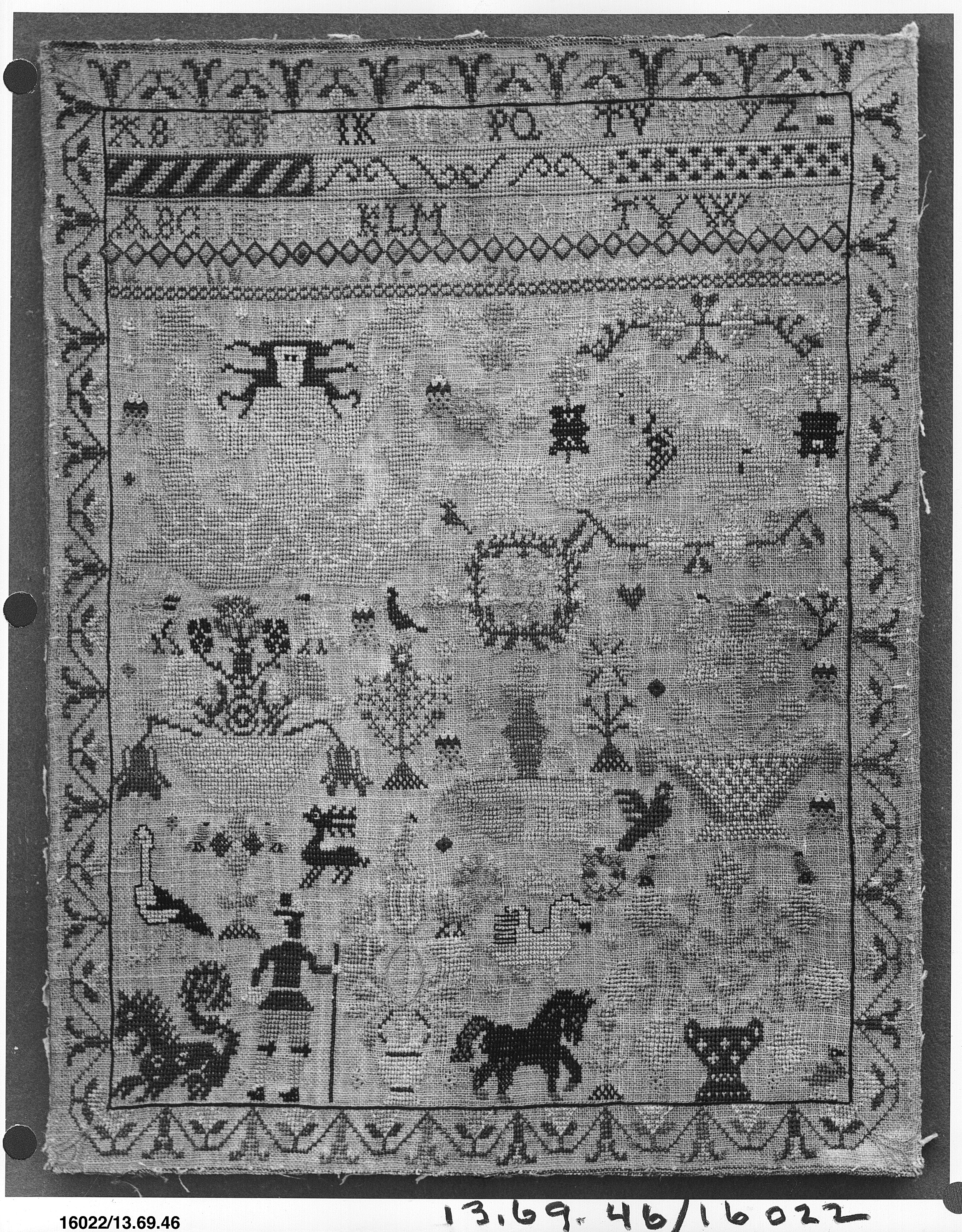
The sampler, a textile artifact composed of silk on linen from an ancient civilization, represents far more than a rudimentary exercise in needlework. Within the context of Katherine Fashion Lab’s strategic heritage research, this object serves as a foundational document of symbolic power, historical adornment, and spiritual meaning. As a standalone research subject, the sampler offers a unique lens through which to examine how early societies encoded identity, status, and cosmology into wearable and displayable textiles. This analysis will deconstruct the sampler’s material and symbolic dimensions, and propose a high-end luxury strategy for 2026 that leverages its profound heritage to elevate contemporary brand positioning.
Symbolic Power: The Sampler as a Language of Authority
In ancient civilizations, the sampler was not a mere pedagogical tool but a repository of symbolic authority. Each stitch, motif, and color choice carried deliberate meaning, often communicating lineage, tribal affiliation, or divine favor. The use of silk—a material reserved for elites and ritual contexts—underscores the sampler’s role as a marker of social hierarchy. The threads, meticulously arranged on linen, formed patterns that could denote ownership, commemorate victories, or invoke protection. For instance, geometric motifs might represent celestial bodies or ancestral spirits, while animal forms signified totemic guardianship. The sampler’s symbolic power lies in its ability to compress complex narratives into a portable, durable format. This capacity for encoded communication made it an instrument of soft power, enabling individuals to assert authority and negotiate status within their communities. For Katherine Fashion Lab, understanding this symbolic layer is critical. The sampler teaches that luxury is not merely about material richness but about the ability to convey meaning through design. In a 2026 strategy, this translates into collections that prioritize narrative depth, where every element—from stitch to silhouette—serves as a deliberate signifier of heritage and exclusivity.
Historical Adornment: The Sampler as a Precursor to Wearable Art
The sampler’s function as a historical adornment cannot be overstated. While modern interpretations often frame samplers as decorative wall pieces or educational exercises, ancient civilizations integrated them directly into personal attire and ceremonial objects. Silk on linen provided a lightweight yet durable foundation for embroidery that could be sewn onto garments, headdresses, or ritual belts. This practice elevated the sampler from a mere practice piece to a form of wearable art, embodying the intersection of craftsmanship and identity. The motifs served as visual markers of life stages—birth, marriage, initiation, or death—and were often passed down through generations as heirlooms. The tactile quality of silk against linen offered a sensory experience that reinforced the wearer’s connection to tradition. For high-end luxury strategy, this historical precedent is invaluable. It suggests that modern luxury consumers seek not only aesthetic beauty but also a tangible link to cultural continuity. Katherine Fashion Lab can harness this by designing pieces that invite touch and personalization, such as customizable embroidery or limited-edition samplers that allow clients to embed their own symbols of identity. The 2026 strategy should position these items as heirloom-quality investments, bridging ancient practice with contemporary desire for meaningful possession.
Spiritual Meaning: The Sampler as a Conduit for the Sacred
Beyond its social and decorative roles, the sampler held profound spiritual meaning in ancient civilizations. The process of stitching was often considered a meditative or prayerful act, with each thread representing an offering to deities or ancestors. The choice of silk—a material associated with purity and the silk moth’s transformative lifecycle—enhanced this sacred dimension. Linen, derived from flax, was equally symbolic, representing fertility, life, and resurrection in many cultures. Together, these materials created a textile that was not merely ornamental but talismanic. Samplers were frequently used in religious rituals, funerary contexts, or as protective amulets. The repeating patterns and symmetrical designs were believed to create a spiritual barrier against malevolent forces, while specific colors—such as red for vitality or blue for divinity—amplified their efficacy. This spiritual layer is particularly resonant for modern luxury consumers who increasingly seek products with metaphysical or holistic value. For Katherine Fashion Lab’s 2026 strategy, this suggests an opportunity to integrate ritualistic elements into the brand experience. Limited releases could be accompanied by storytelling that highlights the spiritual origins of the sampler, perhaps through collaborations with artisans who practice traditional embroidery as a form of meditation. The brand could also develop a line of “blessed” or “intention-set” pieces, where each stitch is imbued with a specific meaning—protection, prosperity, or connection—offering clients a deeply personal and transcendent luxury experience.
Strategic Implications for 2026 High-End Luxury
The sampler’s heritage analysis yields three strategic pillars for Katherine Fashion Lab’s 2026 high-end luxury strategy: narrative exclusivity, material authenticity, and experiential transcendence. First, narrative exclusivity leverages the sampler’s symbolic power. The brand should develop a “Code of Stitches” lexicon, where each motif and color is documented and offered as a bespoke service. Clients could commission garments or accessories that tell their personal or family story, echoing the sampler’s original function as a document of identity. This creates a product that is irreproducible and deeply meaningful, justifying premium pricing. Second, material authenticity requires a return to ancient production methods. Sourcing silk and linen from heritage suppliers, and employing hand-embroidery techniques, aligns with the growing demand for artisanal, slow-fashion luxury. The 2026 collection should highlight these materials’ provenance, emphasizing their historical and spiritual significance through transparent supply chain storytelling. Third, experiential transcendence involves curating immersive brand moments. Pop-up exhibitions featuring ancient sampler reproductions, workshops on symbolic stitching, and private consultations with heritage curators can position Katherine Fashion Lab as a custodian of cultural wisdom. This strategy not only differentiates the brand in a crowded market but also builds a community of discerning clients who value depth over trend.
Conclusion: The Sampler as a Blueprint for Modern Luxury
The sampler from an ancient civilization, executed in silk on linen, is a masterclass in the fusion of material mastery, symbolic communication, and spiritual resonance. Its historical role as a tool for adornment and authority offers a timeless blueprint for high-end luxury strategy. For Katherine Fashion Lab, this heritage analysis underscores the imperative to move beyond surface-level aesthetics and embrace the deeper narratives that define true luxury. By integrating the sampler’s principles of encoded meaning, artisanal authenticity, and ritualistic engagement, the brand can forge a 2026 strategy that honors the past while leading the future. The sampler reminds us that the most powerful luxury is not what is seen, but what is felt, remembered, and passed on.