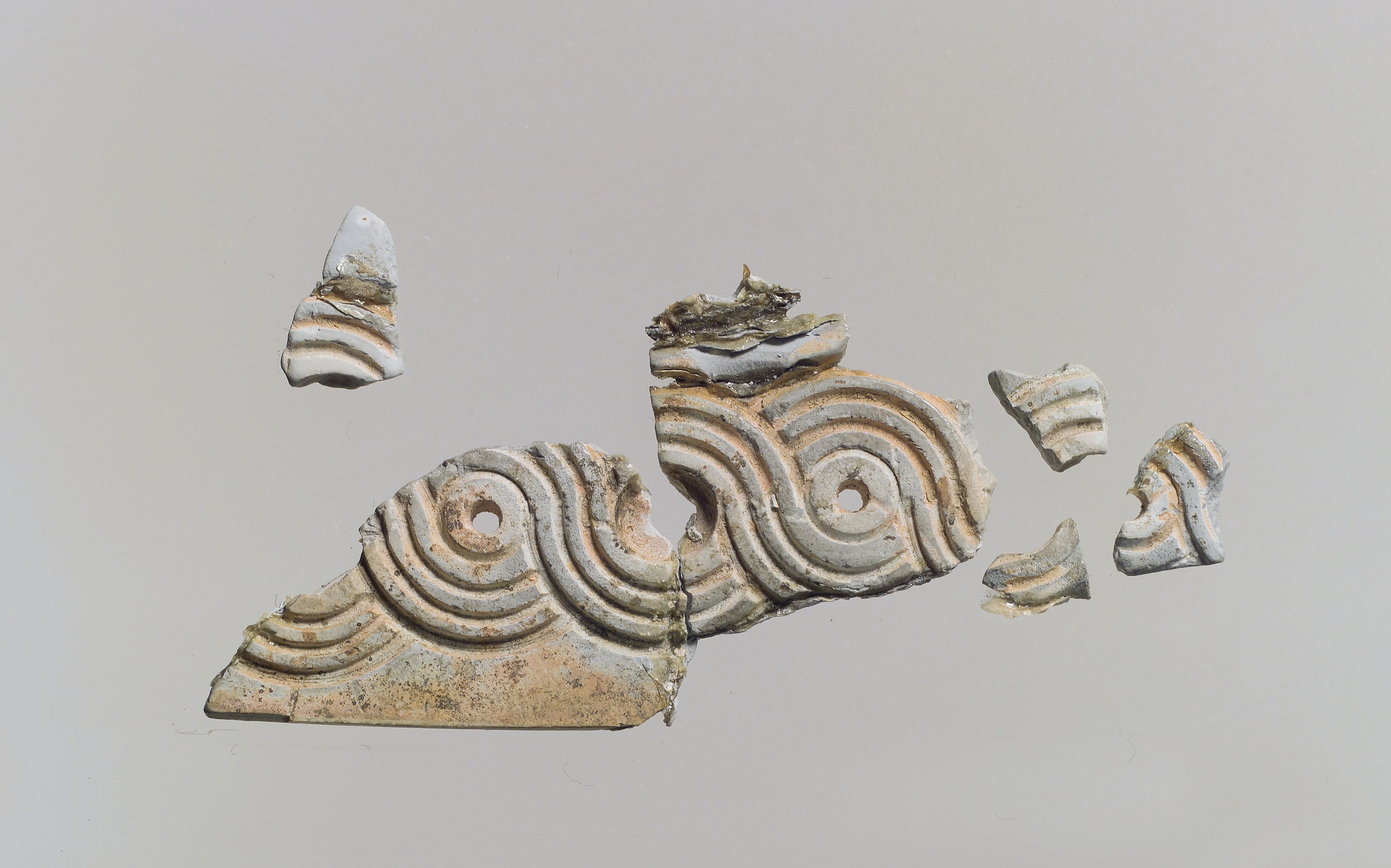
Heritage Analysis: Plaque Fragment from an Old Assyrian Trading Colony
As Lead Heritage Curator for Katherine Fashion Lab, I present this strategic standalone research on a carved ivory plaque fragment from an Old Assyrian Trading Colony (circa 2000–1700 BCE). This object, unearthed from the merchant enclave of Kültepe (ancient Kanesh) in Anatolia, offers profound insights into symbolic power, historical adornment, and spiritual meaning. Its materiality and iconography provide a blueprint for a 2026 high-end luxury strategy rooted in cultural depth, exclusivity, and narrative resonance.
Symbolic Power: The Ivory Medium as Status and Sovereignty
The plaque fragment, crafted from elephant or hippopotamus ivory, was not merely decorative but a potent emblem of status within the Old Assyrian trading network. Ivory, sourced from distant lands such as Egypt or the Indus Valley, signified access to global trade routes and immense wealth. For the Assyrian merchants and local Anatolian elites who commissioned such objects, the plaque functioned as a portable symbol of authority—likely affixed to furniture, ritual boxes, or garments. Its carving, featuring a stylized deity or royal figure, reinforced the owner’s connection to divine favor and political legitimacy. In a 2026 luxury context, this symbolic power translates into limited-edition collections that emphasize provenance and exclusivity. Katherine Fashion Lab can leverage this by producing heritage-inspired accessories—such as ivory-toned resin cuffs or brooches—each accompanied by a certificate tracing the design’s lineage to Assyrian motifs. This strategy elevates the product from commodity to artifact, appealing to discerning clients who seek narratives of power and rarity.
Historical Adornment: Craftsmanship and the Body as Canvas
The plaque’s intricate carving—featuring geometric patterns, animal forms, and human figures—reflects the advanced glyptic techniques of Old Assyrian artisans. Such fragments were often inlaid into wooden furniture or sewn onto ceremonial garments as appliqués, transforming the wearer into a living canvas of cultural identity. The use of ivory, a material both durable and luminous, allowed for fine detailing that caught light and conveyed prestige. Historical records from the Kültepe archives indicate that these objects were traded alongside textiles, metals, and spices, underscoring their role as adornment that crossed borders. For Katherine Fashion Lab’s 2026 strategy, this historical context inspires a capsule collection of wearable art—scarves, belts, and handbags—featuring laser-cut patterns derived from the plaque’s motifs. The emphasis on craftsmanship aligns with the luxury market’s shift toward artisanal authenticity. By collaborating with master carvers or digital fabricators, the Lab can produce pieces that honor the original technique while appealing to modern aesthetics. This approach not only preserves heritage but also positions the brand as a curator of timeless artistry.
Spiritual Meaning: The Plaque as a Talisman of Protection and Prophecy
Beyond its decorative function, the plaque fragment held deep spiritual significance. In Old Assyrian cosmology, ivory objects were believed to channel divine protection, often inscribed with prayers or symbols of deities like Ashur or Ishtar. The fragment’s imagery—likely a winged figure or a sacred tree—served as an apotropaic device, warding off evil and ensuring prosperity for the trader or household. This spiritual dimension was integral to daily life in the trading colony, where commerce and religion were intertwined. For a 2026 high-end luxury strategy, Katherine Fashion Lab can reinterpret this spiritual meaning through a “Talisman Collection” of jewelry and accessories. Each piece, such as a pendant or ring, could incorporate symbolic engravings inspired by Assyrian cuneiform or protective motifs, paired with modern materials like blackened silver or ethically sourced bone. The brand can offer a ritualistic unboxing experience, including a booklet explaining the spiritual history, thus creating an emotional connection that transcends mere aesthetics. This aligns with the growing consumer desire for objects that provide meaning and mindfulness in an increasingly chaotic world.
Strategic Implications for 2026 High-End Luxury
The Old Assyrian plaque fragment offers a multifaceted model for Katherine Fashion Lab’s 2026 luxury strategy, centered on three pillars: authenticity, narrative, and exclusivity. First, authenticity is derived from rigorous historical research. By partnering with archaeologists or museum curators, the Lab can ensure that design elements—such as the plaque’s typical 10-centimeter scale or its use of negative space—are accurately represented. This scholarly rigor distinguishes the brand in a market saturated with generic “ancient-inspired” motifs. Second, narrative is paramount. Each product should tell a story of the plaque’s journey from Anatolian trade routes to modern ateliers, emphasizing the cross-cultural exchange that defined the Old Assyrian period. Marketing campaigns could feature cinematic visuals of Kültepe’s ruins alongside contemporary models, bridging past and present. Third, exclusivity is achieved through limited production runs and bespoke customization. For instance, clients could commission replicas of the plaque fragment in precious metals, with their own initials or talismanic symbols added, creating a personalized heirloom. This strategy taps into the luxury sector’s trend toward hyper-personalization, where value is tied to uniqueness rather than volume.
Conclusion: A Blueprint for Cultural Luxury
In conclusion, this ivory plaque fragment from an Old Assyrian Trading Colony is far more than an archaeological curiosity. It is a testament to the enduring power of symbolic adornment, spiritual meaning, and masterful craftsmanship. For Katherine Fashion Lab, it provides a rich foundation for a 2026 high-end luxury strategy that prioritizes historical integrity, emotional resonance, and exclusivity. By translating the plaque’s motifs into contemporary designs, the Lab can offer clients not just products, but portals to a storied past. This approach positions the brand as a leader in heritage-driven luxury, where every piece carries the weight of millennia and the promise of timeless elegance. As the luxury market evolves, such cultural depth will become the ultimate differentiator—and this analysis confirms that the Old Assyrian legacy is perfectly suited to lead that charge.